Introduction
The Lesser Shrike-Tyrant, known scientifically as Agriornis murinus, is a captivating bird species belonging to the family Tyrannidae. This intriguing bird is characterized by its unique behavior and adaptive capabilities, which have garnered the interest of ornithologists and bird enthusiasts alike. In this article, we delve into the fascinating world of the Lesser Shrike-Tyrant, exploring its habitat, behavior, diet, and conservation status.
Taxonomy and Classification
The Lesser Shrike-Tyrant is classified under the order Passeriformes and the family Tyrannidae, a large family of passerine birds found predominantly in the Americas. The genus Agriornis consists of several species known for their robust size and shrike-like predatory behavior. The species name "murinus" is derived from Latin, meaning "mouse-colored," a reference to the bird’s subtle plumage.
Physical Description
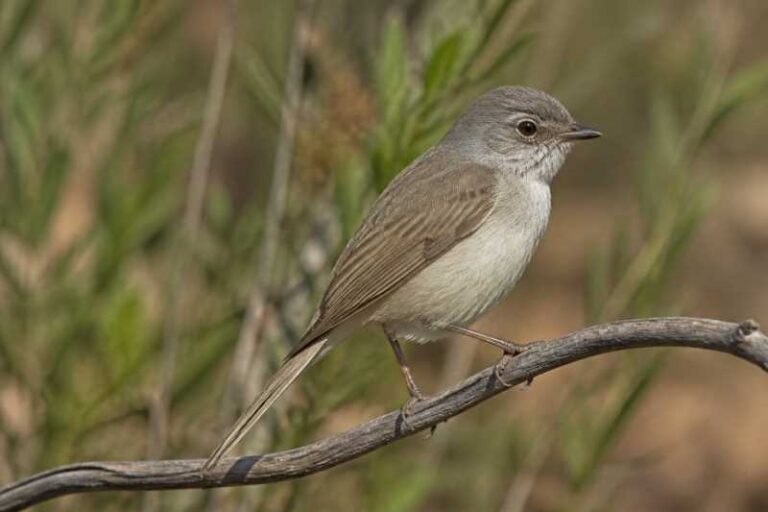
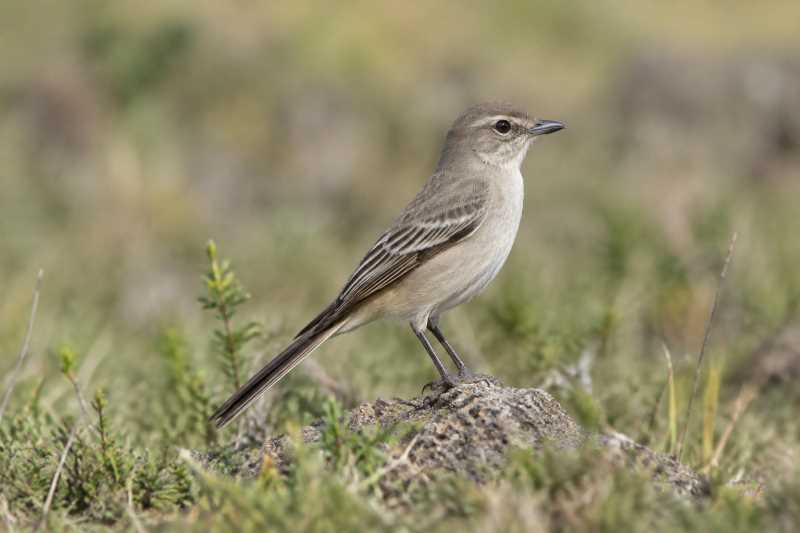
The Lesser Shrike-Tyrant is a medium-sized bird, measuring approximately 19-22 cm in length. It exhibits a predominantly grayish-brown plumage, which serves as excellent camouflage against the backdrop of its native habitats. The bird’s underparts are lighter, often with a slight streaking. One of its distinctive features is its strong, slightly hooked bill, adapted for capturing and consuming various prey items.
Distribution and Habitat
This species is native to parts of South America, with its range extending across Argentina, Bolivia, Chile, and Peru. The Lesser Shrike-Tyrant typically inhabits open and semi-open landscapes, including grasslands, shrublands, and agricultural areas. It is often found at elevations ranging from lowland regions to altitudes of up to 3,500 meters.
Behavior and Ecology
The Lesser Shrike-Tyrant is known for its solitary and territorial nature. It often perches conspicuously on shrubs or fences, scanning the surroundings for potential prey. This bird is an opportunistic feeder, with a diet that includes insects, small mammals, and occasionally other small birds. Its hunting strategy involves a combination of still-hunting from a perch and active pursuit.
One of the most remarkable aspects of the Lesser Shrike-Tyrant is its vocalizations. The species is known for its varied and complex calls, which play a crucial role in territory defense and mate attraction. The vocal repertoire includes whistles, trills, and harsher notes, each serving different communicative purposes.
Breeding and Reproduction
The breeding season of the Lesser Shrike-Tyrant typically occurs during the austral spring and summer months, from September to February. The species is monogamous, with pairs forming strong bonds during the breeding period. Nests are constructed in shrubs or low trees, often composed of twigs and lined with softer materials.
Females typically lay 2-3 eggs per clutch, which are incubated for approximately 15-17 days. Both parents participate in feeding and caring for the chicks, which fledge after about 18-20 days post-hatching. The involvement of both parents in chick-rearing is essential for the survival and development of the young.
Conservation Status
According to the International Union for Conservation of Nature (IUCN), the Lesser Shrike-Tyrant is classified as a species of "Least Concern." Despite this positive assessment, the species faces several threats, including habitat loss due to agricultural expansion and land-use changes. Conservation efforts are essential to ensure the preservation of its native habitats and maintain stable population levels.
Human Interactions and Cultural Significance
The Lesser Shrike-Tyrant, while not as widely recognized as some other bird species, holds ecological significance in its native range. It plays a role in controlling insect populations and contributes to the biodiversity of the ecosystems it inhabits. For birdwatchers and naturalists, the Lesser Shrike-Tyrant offers an exciting opportunity to observe its unique behaviors and vocalizations in the wild.
Conclusion
The Lesser Shrike-Tyrant is a remarkable bird that exemplifies the rich avian diversity of South America. Its adaptability to various habitats, coupled with its intriguing behaviors, makes it a subject of interest for both scientific research and birdwatching communities. As we continue to study and appreciate this species, it is crucial to support conservation initiatives that protect its natural environments, ensuring that future generations can enjoy the presence of this fascinating bird.
References
- BirdLife International. (2021). Agriornis murinus. The IUCN Red List of Threatened Species 2021.
- Schulenberg, T. S., Stotz, D. F., & Rico, L. (2007). Neotropical Birds: Ecology and Conservation. University of Chicago Press.
- Ridgely, R. S., & Tudor, G. (2009). Birds of South America: Passerines. University of Texas Press.
Related posts