Introduction
The Common Swamp Rat, scientifically known as Malacomys longipes, is an intriguing mammalian species that thrives in wetland environments across parts of Africa. Known for its adaptability and unique physical characteristics, this rodent plays a significant ecological role in its habitat. Despite its seemingly unassuming presence, the Common Swamp Rat is a subject of interest for researchers and conservationists alike, due to its role in the ecosystem and the pressures it faces in the wild. This article delves into the various aspects of this species, from its physical description to its conservation status, providing a comprehensive resource for anyone interested in learning about the Common Swamp Rat.
Physical Description
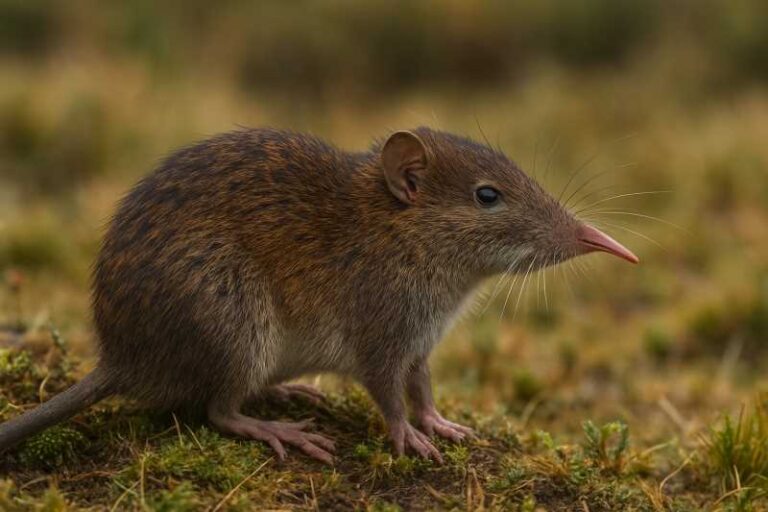
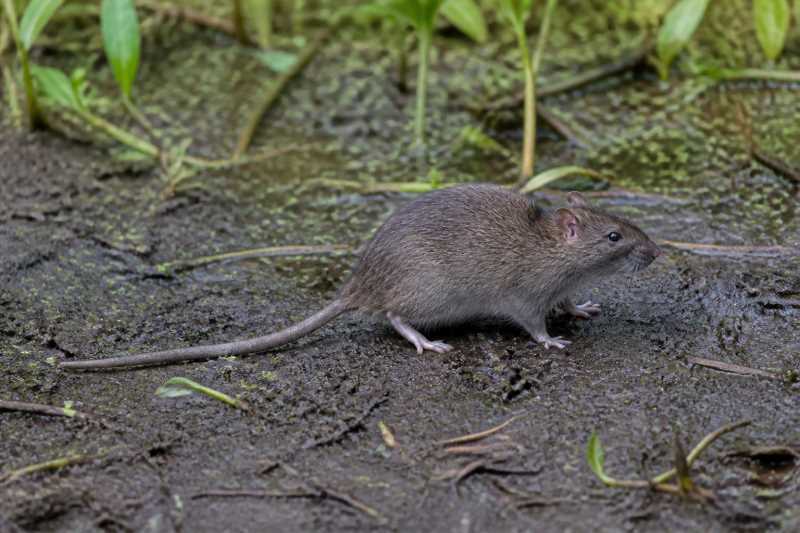
The Common Swamp Rat is a medium-sized rodent, with a body length ranging from 12 to 18 centimeters, and a tail that can measure up to 20 centimeters, often longer than its body. Its fur is dense and soft, adapted to its moist habitat, featuring a grayish-brown color on the back with a lighter underbelly. This color pattern provides effective camouflage amidst the wetland vegetation, protecting it from predators.
The rat’s head is characterized by a pointed snout and large, dark eyes, which are well-suited for its nocturnal lifestyle. Its ears are relatively small, yet they possess acute hearing capabilities that aid in detecting predators and prey. The whiskers, or vibrissae, are long and sensitive, allowing the rat to navigate its environment effectively. Its limbs are slender, with elongated hind feet that facilitate swift movement through marshy and aquatic terrains.
Range and Habitat
The Common Swamp Rat is predominantly found in sub-Saharan Africa, with a range extending from Sierra Leone in the west to Uganda in the east. It favors lowland swamp forests and marshes, as well as riverine and flooded forest regions. These habitats provide ample food resources and cover, essential for the rat’s survival.
The species thrives in areas with high humidity and dense vegetation, which offer protection from predators and a rich supply of seeds, fruits, and insects. The presence of water bodies is crucial, as these rats are skilled swimmers, often retreating to water when threatened by predators.
Behavior and Diet
The Common Swamp Rat is primarily nocturnal, spending the daylight hours hidden in burrows or dense vegetation. At night, it becomes active, foraging for food. Its diet is omnivorous, comprising seeds, fruits, insects, and occasionally small aquatic organisms. This varied diet is reflective of its adaptable nature, allowing it to thrive in diverse environments.
Socially, the Common Swamp Rat is relatively solitary, with individuals maintaining separate territories. Communication with conspecifics is achieved through vocalizations and scent markings. During the breeding season, which can occur multiple times a year in favorable conditions, males become more aggressive and engage in territorial disputes.
Identification Tips (Field Recognition Cues)
Identifying the Common Swamp Rat in the field involves observing several distinctive features:
- Size and Shape: Look for a medium-sized rodent with a long tail, often exceeding the body length.
- Fur Color: Note the grayish-brown fur on the back and lighter underbelly, providing camouflage in swampy environments.
- Habitat: Spot them in wetland areas with dense vegetation, near water bodies.
- Behavior: Active at night, often seen foraging on the ground and occasionally swimming.
- Vocalizations: Listen for soft squeaks or rustling noises in the underbrush, indicating their presence.
Conservation Status (with threats and protections)
As of the latest assessments, the Common Swamp Rat is classified as Least Concern by the IUCN Red List. However, this does not imply that it is free from threats. Habitat destruction due to agriculture, logging, and human settlement poses significant challenges to the species. Wetland drainage for agricultural expansion is particularly detrimental, leading to loss of crucial habitats.
In some regions, they are also hunted for food, although this is not a widespread practice. Conservation efforts are primarily focused on habitat preservation, with several protected areas encompassing their habitats. Promoting sustainable land-use practices and raising awareness about the ecological importance of wetlands are critical for the species’ long-term survival.
Frequently Asked Questions
Q1: How can I identify a Common Swamp Rat in its natural habitat?
A1: Look for its medium size, long tail, grayish-brown fur, and preference for wetland areas. They are active at night and may be seen swimming.
Q2: What do Common Swamp Rats eat?
A2: They have an omnivorous diet that includes seeds, fruits, insects, and small aquatic organisms, reflecting their adaptability to diverse environments.
Q3: What are the main threats to the Common Swamp Rat?
A3: Habitat destruction due to agriculture, logging, and wetland drainage are the primary threats, along with occasional hunting for food in some regions.
Q4: Are Common Swamp Rats social animals?
A4: They are relatively solitary, maintaining separate territories, but communicate through vocalizations and scent markings, especially during the breeding season.
Q5: Where is the Common Swamp Rat found?
A5: It is found across sub-Saharan Africa, from Sierra Leone to Uganda, favoring swamp forests, marshes, and riverine areas.
Related posts