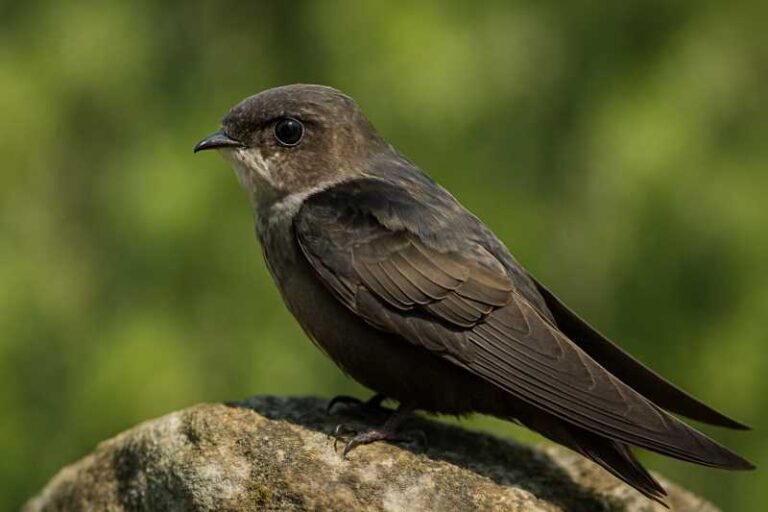
The Enigmatic Pink-throated Twinspot: A Jewel of the African Avifauna
The Pink-throated Twinspot (Hypargos margaritatus) is a captivating bird species that has intrigued ornithologists and bird enthusiasts alike. Known for its striking appearance and intricate behaviors, this bird represents the rich biodiversity of the African continent. In this comprehensive exploration, we delve into the taxonomy, habitat, behavior, and conservation status of the Pink-throated Twinspot, offering insights into why this species deserves attention and protection.
Taxonomy and Classification
The Pink-throated Twinspot belongs to the Estrildidae family, which encompasses small passerine birds known as estrildid finches. First described by the German ornithologist Anton Reichenow in 1879, the species bears the scientific name Hypargos margaritatus. This name reflects its distinctive features, with "Hypargos" derived from the Greek words for "beneath" and "foremost," and "margaritatus" meaning "pearl-like," possibly referring to its speckled plumage.
The Twinspot is closely related to the Green Twinspot (Mandingoa nitidula) and is often studied together with other members of the estrildid family for its unique evolutionary adaptations.
Physical Characteristics
The Pink-throated Twinspot is a small bird, measuring approximately 11-12 centimeters in length. As its name suggests, one of its most striking features is the pinkish-red throat of the male, which contrasts vividly against its otherwise modest brown and grey plumage. Females, while less colorful, possess a subtle beauty with more muted tones and a slightly smaller build.
Both sexes exhibit the twin spots for which the species is named. These spots are white and pearl-like, adorning the flanks and underparts, adding an elegant aesthetic to their appearance. The beak is short and conical, adapted for seed consumption, and the eyes are a striking dark color that provides a keen sense of sight for spotting predators and foraging.
Habitat and Distribution
The Pink-throated Twinspot is primarily found in the subtropical and tropical regions of southeastern Africa. Its range extends through Mozambique, Swaziland, Zimbabwe, and northeastern South Africa, with the largest populations concentrated around the coastal forests and thickets.
The preferred habitat of this species includes dense undergrowth and thorny scrublands, where they can easily conceal themselves from predators. They are often found near water sources, such as rivers and streams, which provide both sustenance and a rich supply of insects and seeds.
Behavior and Ecology
Pink-throated Twinspots are known for their elusive nature, often remaining hidden in dense foliage. They are social birds, frequently seen in pairs or small flocks, especially during the breeding season. Their behavior is characterized by a complex social structure, where vocal communication plays a crucial role in maintaining group cohesion and territory defense.
Their diet primarily consists of seeds and small insects, which they forage from the ground and low vegetation. During the wet season, when insects are abundant, they supplement their diet with protein-rich prey, which is vital for chick development.
The breeding season varies geographically but typically occurs during the warmer months when food is plentiful. Nests are intricately woven structures built in dense shrubs, providing concealment and protection for the eggs and chicks. The clutch size is usually small, averaging 2-4 eggs, which both parents incubate.
Vocalizations
The Pink-throated Twinspot is renowned for its melodic songs and calls. Males are particularly vocal, using their song to attract mates and establish territory. The song is a soft, melodious series of notes, often compared to the sound of tinkling bells. These vocalizations are crucial for communication within the flock and play a significant role in courtship displays.
Conservation Status
Currently, the Pink-throated Twinspot is listed as a species of Least Concern by the International Union for Conservation of Nature (IUCN). However, its population is thought to be declining due to habitat loss and fragmentation caused by agricultural expansion and deforestation.
Conservation efforts are focusing on habitat preservation and restoration. Protecting the remaining forested areas and implementing sustainable land-use practices are critical to ensuring the survival of this species. Additionally, raising awareness about the ecological importance of the Pink-throated Twinspot and its habitat can foster community involvement in conservation initiatives.
Conclusion
The Pink-throated Twinspot is a remarkable species that embodies the beauty and complexity of Africa’s avian life. Its vibrant appearance, intriguing behaviors, and melodious songs make it a subject of fascination and study. As we continue to learn more about this species, it becomes increasingly clear that preserving its habitat is essential for maintaining the ecological balance of its environment.
Efforts to protect the Pink-throated Twinspot and its habitat not only benefit the species itself but also contribute to the broader conservation of biodiversity in the regions it inhabits. By understanding and appreciating the intricacies of this remarkable bird, we can take meaningful steps toward ensuring its future survival.
In summary, the Pink-throated Twinspot is more than just a bird; it is a symbol of the rich natural heritage of Africa, deserving of admiration and protection.
Related posts