Introduction
The Brown Pipistrelle, scientifically known as Hypsugo imbricatus, is a fascinating species of bat that captivates both researchers and wildlife enthusiasts alike. As an integral part of the ecosystem, this small mammal plays a crucial role in insect control, making it an essential subject of study in biodiversity conservation. Despite its significance, the Brown Pipistrelle remains relatively understudied, which adds a layer of mystery and intrigue to this remarkable creature.
Physical Description
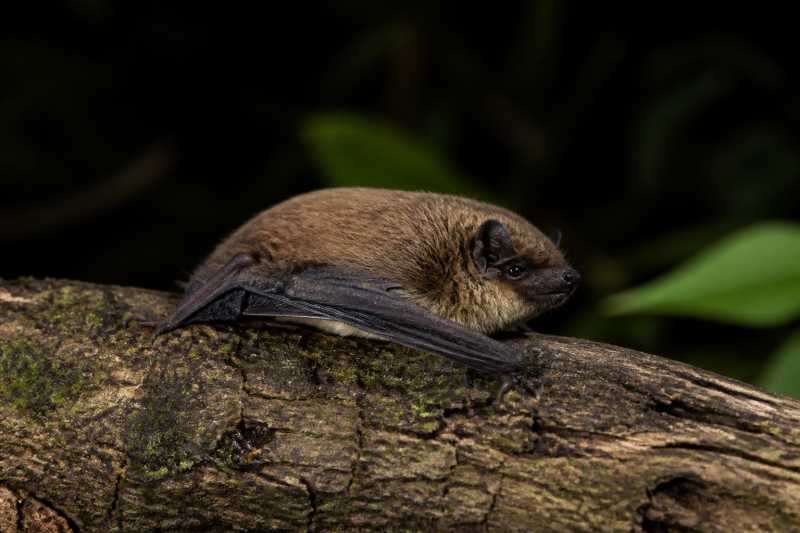
The Brown Pipistrelle is a small-sized bat, typically measuring between 35 to 50 millimeters in body length, with a wingspan ranging from 200 to 250 millimeters. It exhibits a rich brown fur on its dorsal side, which is where it derives its common name. The ventral side is noticeably lighter, almost a pale brown or cream color. The fur is dense and soft, providing insulation and protection as the bat navigates various environments. The Brown Pipistrelle’s face is characterized by a slightly upturned muzzle, with large, dark eyes that aid its nocturnal lifestyle. Its ears are relatively small yet highly sensitive, capable of detecting high-frequency sounds that are crucial for echolocation.
Range and Habitat
The Brown Pipistrelle is predominantly found in Southeast Asia, with its range extending across countries such as Indonesia, Malaysia, Thailand, and the Philippines. It thrives in tropical and subtropical climates, often inhabiting lowland forests, mangroves, and agricultural areas. The adaptability of the Brown Pipistrelle allows it to occupy various ecological niches, including urban settings where it can be found roosting in buildings, tree hollows, and caves. This species is highly versatile, capable of surviving in both pristine and disturbed habitats, although its presence is more robust in areas with abundant food supply and suitable roosting sites.
Behavior and Diet
Brown Pipistrelles are primarily nocturnal, emerging from their roosts at dusk to forage for food. Their diet mainly consists of insects, making them important natural pest controllers. Using echolocation, they emit high-frequency sound waves that bounce off objects, allowing them to navigate and hunt with precision in complete darkness. This technique is highly effective in capturing prey such as mosquitoes, moths, and beetles.
Socially, the Brown Pipistrelle is known for its gregarious nature. It often forms colonies that can range from a few individuals to several hundred. These colonies are vital for thermoregulation, as bats huddle together to maintain warmth during cooler periods. Mating typically occurs in the autumn, and females give birth to one or two pups in the spring, nurturing them until they can fly and forage independently.
Identification Tips (Field Recognition Cues)
Identifying the Brown Pipistrelle in the field can be challenging due to its small size and nocturnal habits. However, certain key features can aid in its identification:
- Coloration: Look for its characteristic rich brown dorsal fur and lighter ventral side.
- Size: Note the small body size with a wingspan of approximately 200 to 250 millimeters.
- Echolocation Calls: If using a bat detector, listen for high-frequency calls that are typically beyond the range of human hearing.
- Behavior: Observe their flight patterns at dusk, which are swift and erratic as they hunt for insects.
- Roosting Sites: Check for colonies in tree hollows, caves, and under the eaves of buildings.
Conservation Status (with Threats and Protections)
As of the latest assessments, the Brown Pipistrelle is classified as a species of Least Concern on the IUCN Red List. However, like many bat species, it faces several threats that could impact its population numbers in the future. Habitat loss due to deforestation, agricultural expansion, and urbanization poses significant risks. Additionally, pesticide use can deplete its food sources, while roost disturbance from human activities can disrupt its breeding and social structures.
Efforts to conserve the Brown Pipistrelle focus on habitat protection and sustainable land-use practices. Legal protections in various countries aim to safeguard its natural habitats and mitigate the impacts of human activities. Conservationists also emphasize the importance of public education to dispel myths and promote the ecological benefits of bats.
Frequently Asked Questions
1. What is the primary diet of the Brown Pipistrelle?
The Brown Pipistrelle primarily feeds on insects, utilizing echolocation to hunt flying prey such as mosquitoes, moths, and beetles during its nocturnal forays.
2. How can I identify a Brown Pipistrelle in the wild?
Identifying a Brown Pipistrelle involves looking for its small size, rich brown fur, and listening for its echolocation calls using a bat detector. Observing its swift and erratic flight at dusk can also help.
3. Where is the Brown Pipistrelle commonly found?
This bat species is commonly found in Southeast Asia, inhabiting tropical and subtropical regions, including forests, mangroves, and urban areas where suitable roosting sites are available.
4. What are the conservation challenges facing the Brown Pipistrelle?
The main conservation challenges include habitat loss due to deforestation and urbanization, depletion of food sources from pesticide use, and disturbance of roosting sites by human activities.
5. Why are Brown Pipistrelles important to the ecosystem?
Brown Pipistrelles play a vital role in controlling insect populations, helping to maintain ecological balance and reduce the spread of insect-borne diseases.
Related posts