The Enigmatic Foothill Stipplethroat: A Deep Dive into Epinecrophylla spodionota
The Foothill Stipplethroat (Epinecrophylla spodionota) is a captivating avian species that has intrigued ornithologists and birdwatchers alike. Found primarily in the lush, verdant foothills of the Andes, this small bird is a testament to the rich biodiversity of South America. In this comprehensive article, we will explore the biology, habitat, behavior, and conservation status of the Foothill Stipplethroat, uncovering the nuances that make this bird a subject of scientific fascination.
Taxonomy and Identification
Belonging to the family Thamnophilidae, the Foothill Stipplethroat is part of a group commonly referred to as antbirds. The species was historically lumped with the Plain-winged Antwren (Myrmotherula behni) but was eventually recognized as distinct due to differences in vocalization and plumage. The scientific community now acknowledges Epinecrophylla spodionota as a unique species, underscoring the importance of detailed field studies and molecular data in avian taxonomy.
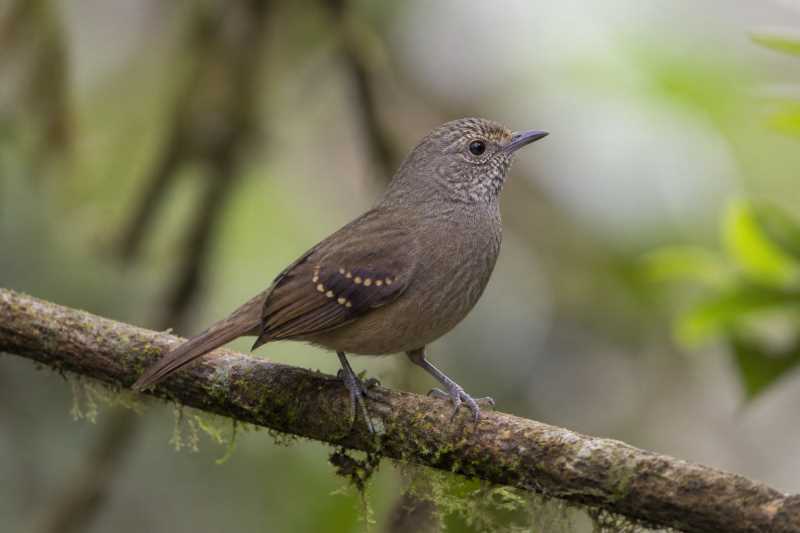
Adult Foothill Stipplethroats are characterized by their subtle yet distinctive plumage. They possess a predominantly gray-brown coloration that blends seamlessly with their forested environment. Males and females exhibit slight sexual dimorphism, with males having darker, more pronounced stippling on their throats. Both sexes have a delicate, rounded body shape, adapted for life in dense understory.
Habitat and Range
The Foothill Stipplethroat inhabits the subtropical and tropical moist lowland forests of the eastern Andean slopes. Its range extends across parts of Ecuador and northern Peru, where it can be found at elevations ranging from 500 to 1,500 meters above sea level. These birds are particularly adapted to life in the humid, shaded environments of primary and secondary forests.
The ecosystem of the Andean foothills is incredibly diverse, providing a plethora of resources and niches for myriad species. The Foothill Stipplethroat plays a crucial role in these ecosystems, primarily through its feeding habits which help control insect populations.
Behavior and Ecology
Epinecrophylla spodionota is an insectivorous bird, primarily feeding on ants, beetles, and other small arthropods. It forages in the understory, often joining mixed-species flocks that roam the forest in search of food. This social behavior not only enhances foraging efficiency but also provides safety in numbers from potential predators.
The vocalizations of the Foothill Stipplethroat are another area of interest for researchers. The species emits a series of high-pitched, rapid trills that serve both as a means of communication and territory establishment. These calls are integral to their mating rituals and play a crucial role during the breeding season.
Breeding typically occurs during the rainy season, when food is abundant. Nesting habits remain poorly documented, but like other antbirds, they are presumed to build cup-shaped nests in low shrubs or trees. Clutches generally consist of two to three eggs, with both parents sharing responsibilities in incubation and chick-rearing.
Conservation and Threats
While the Foothill Stipplethroat is currently listed as ‘Least Concern’ by the IUCN Red List, its future remains uncertain due to ongoing habitat destruction. The primary threat to its habitat is deforestation, driven by agricultural expansion, logging, and infrastructure development. As forests are cleared or degraded, the complex ecosystems that the Foothill Stipplethroat depends on are disrupted.
Conservation efforts are crucial to ensure the survival of not only the Foothill Stipplethroat but also the myriad of species that share its habitat. Protected areas and reserves play a vital role in preserving these ecosystems. Additionally, community-based conservation programs that promote sustainable land use and raise awareness about the importance of biodiversity can make significant impacts.
Conclusion
The Foothill Stipplethroat is a remarkable example of the unique biodiversity found in the Andean foothills. Its role in the ecosystem, intriguing behaviors, and the challenges it faces highlight the importance of conservation efforts in these regions. As we continue to study and learn more about Epinecrophylla spodionota, it becomes increasingly clear that protecting its habitat benefits not only this species but also the broader ecological community.
In summary, the Foothill Stipplethroat is a small bird with a significant ecological role. Its survival depends on the preservation of its natural habitat and the implementation of effective conservation strategies. By understanding and appreciating this species, we take a step closer to safeguarding the rich biodiversity of our planet.
Related posts