Introduction
Boeadi’s Roundleaf Bat, scientifically known as Hipposideros boeadii, is a fascinating species of bat belonging to the family Hipposideridae. Discovered relatively recently, this bat species has quickly garnered attention from researchers and conservationists due to its unique characteristics and limited distribution. Named in honor of the Indonesian bat researcher Boeadi, Hipposideros boeadii plays a vital role in its ecosystem as a pollinator and insectivore. This article delves into various aspects of this lesser-known mammal, exploring its physical characteristics, habitat preferences, behavioral traits, and conservation status.
Physical Description
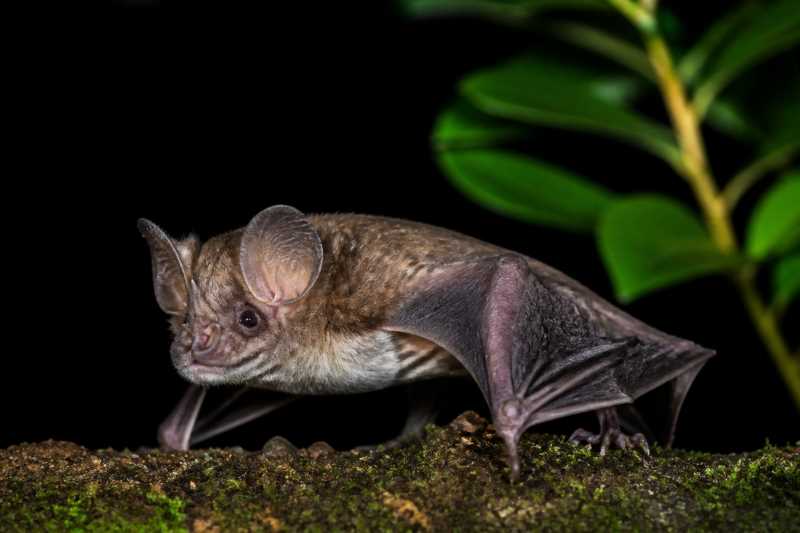
Boeadi’s Roundleaf Bat is a small-sized bat with distinct morphological features that set it apart from other members of the genus Hipposideros. The most notable characteristic of this species is its round-shaped noseleaf, which is crucial for echolocation. The bat’s fur is typically a brownish-gray color, providing effective camouflage among the tree trunks and foliage of its habitat.
The wings of Hipposideros boeadii are adapted for agile flight, allowing it to maneuver effortlessly through dense forest canopies. Its wingspan ranges from 25 to 30 centimeters, supporting its lifestyle as a nocturnal forager. The body length of this bat is relatively small, usually measuring between 4 to 6 centimeters, with a weight of approximately 10 to 15 grams.
Another distinguishing feature of Boeadi’s Roundleaf Bat is its large, rounded ears that enhance its ability to detect faint sounds. This adaptation is critical for hunting insects during night flights. The bat’s eyes are small but adapted for low-light conditions, complementing its auditory capabilities.
Range and Habitat
Boeadi’s Roundleaf Bat is primarily found in the tropical regions of Southeast Asia, with a range that includes parts of Indonesia and Malaysia. Its distribution is limited to lowland and montane forests, where it occupies a niche habitat characterized by dense vegetation and abundant insect populations.
This species prefers to roost in caves, tree hollows, and abandoned buildings, where it can find shelter during the day. The bat’s habitat selection is influenced by the availability of food resources and suitable roosting sites. The dense forests provide an ideal environment for foraging, offering a rich supply of insects that make up the bat’s diet.
The preservation of these natural habitats is crucial for the survival of Hipposideros boeadii, as deforestation and habitat fragmentation pose significant threats to its population.
Behavior and Diet
Boeadi’s Roundleaf Bat is a nocturnal and highly social species, often found in colonies that can number in the hundreds. This gregarious nature provides the bats with protection against predators and facilitates social interactions essential for reproduction and survival.
The bat emerges from its roost at dusk to begin foraging for food. Its diet primarily consists of insects, including moths, beetles, and flies. The use of echolocation allows the bat to detect and capture prey with remarkable precision, while its agile flight maneuvers aid in successful hunting.
During the breeding season, which typically occurs during the wet months, male bats engage in vocalizations and displays to attract females. After successful mating, females give birth to a single offspring, which they nurse and care for until it is capable of independent flight.
Identification Tips (field recognition cues)
Identifying Boeadi’s Roundleaf Bat in the field requires attention to several key characteristics:
- Noseleaf Shape: The distinctive round noseleaf is a primary feature for identification.
- Fur Color: Look for the brownish-gray fur that blends with its natural surroundings.
- Ear Size: Large, rounded ears are indicative of this species.
- Flight Pattern: Observe the bat’s agile and swift flight, often with rapid changes in direction.
- Roosting Behavior: Typically found in colonies within caves or tree hollows during the day.
Conservation Status (with threats and protections)
Boeadi’s Roundleaf Bat is currently listed as Near Threatened on the IUCN Red List, reflecting the challenges it faces in the wild. The primary threats to this species include habitat destruction due to logging, agricultural expansion, and urban development. These activities lead to the loss of crucial roosting and foraging habitats, significantly impacting bat populations.
Conservation efforts are underway to protect the remaining habitats of Hipposideros boeadii. These include establishing protected areas, promoting sustainable land-use practices, and conducting research to better understand the species’ ecology and needs.
Public awareness campaigns and community engagement are also vital components of conservation strategies, aiming to reduce human-wildlife conflict and promote coexistence.
Frequently Asked Questions
What is the primary diet of Boeadi’s Roundleaf Bat?
Boeadi’s Roundleaf Bat primarily feeds on insects, including moths, beetles, and flies. Its echolocation abilities enable it to detect and capture prey effectively during night flights.
Where can Boeadi’s Roundleaf Bat be found?
This bat species is found in the tropical regions of Southeast Asia, particularly in Indonesia and Malaysia, where it inhabits lowland and montane forests with dense vegetation.
How does Boeadi’s Roundleaf Bat use echolocation?
Boeadi’s Roundleaf Bat uses echolocation to navigate and hunt for food. It emits high-frequency sound waves through its noseleaf, which bounce off objects and return as echoes, helping the bat locate prey and avoid obstacles.
What are the main threats to Boeadi’s Roundleaf Bat?
The main threats to this species include habitat destruction due to deforestation, agricultural expansion, and urban development, which result in the loss of roosting and foraging habitats.
How can Boeadi’s Roundleaf Bat be protected?
Conservation efforts focus on protecting natural habitats, establishing protected areas, and promoting sustainable land-use practices. Public awareness and community engagement are also crucial for the species’ protection.
Related posts