Montane Atlantic Forest Rat: A Comprehensive Guide
Introduction
The Montane Atlantic Forest Rat, scientifically known as Delomys altimontanus, is a lesser-known yet ecologically significant rodent found exclusively in Brazil’s lush Atlantic Forest. As an endemic species, it plays a vital role in maintaining the delicate balance of its ecosystem. This article provides an in-depth look at this fascinating mammal, covering its physical characteristics, natural habitat, behaviors, and conservation status. By exploring these aspects, we can better appreciate the importance of preserving the Montane Atlantic Forest Rat and its environment.
Physical Description
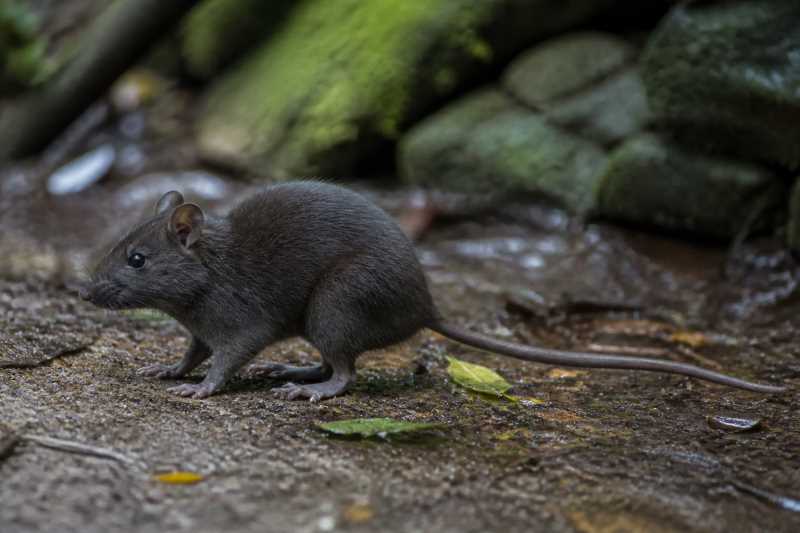
The Montane Atlantic Forest Rat is a small, yet robust rodent characterized by its distinctive fur and unique physiological features. Adult rats typically weigh between 40 to 60 grams and measure around 15 to 20 centimeters in length, including their tails, which are slightly shorter than their bodies.
The fur of Delomys altimontanus is a striking feature, with a soft, dense coat that ranges from a dark brown to a lighter, more reddish hue on its dorsal side. The ventral side is usually lighter, often appearing white or cream-colored. This coloration provides excellent camouflage among the forest floor’s leaf litter and underbrush, offering protection from predators.
Other notable features include its large, round ears and prominent whiskers, which aid in navigation and sensing the environment. The Montane Atlantic Forest Rat has sharp, curved claws that are well-adapted for climbing and foraging through the forest’s dense foliage.
Range and Habitat
The Montane Atlantic Forest Rat is exclusively found in the high-altitude regions of Brazil’s Atlantic Forest, one of the world’s most biodiverse yet threatened ecosystems. This species thrives in montane forests, typically at elevations ranging from 800 to 1,500 meters above sea level.
These forests are characterized by high humidity, relatively cool temperatures, and dense vegetation. Such conditions provide an ideal environment for the Montane Atlantic Forest Rat, offering ample food resources and shelter. The species is most commonly found in areas with thick understory vegetation, where it can easily hide from predators and scavenge for food.
Behavior and Diet
The Montane Atlantic Forest Rat is primarily nocturnal, with most of its activities occurring at night. This behavior helps reduce the risk of predation while taking advantage of the cooler nighttime temperatures. During the day, the rats typically rest in nests constructed from leaves and twigs, hidden in dense vegetation or burrows.
Their diet is omnivorous, consisting of a variety of plant materials, seeds, fruits, and small invertebrates. They play a crucial role in seed dispersion, aiding in the regeneration of the forest vegetation. The Montane Atlantic Forest Rat’s foraging behavior contributes significantly to the health and diversity of the forest ecosystem.
Identification Tips (Field Recognition Cues)
Identifying the Montane Atlantic Forest Rat in the wild requires a keen eye and knowledge of their distinctive features:
- Size and Shape: Look for a small rodent, about 15-20 cm in total length, with a slightly shorter tail than its body.
- Fur Coloration: Observe the two-toned fur, with a darker dorsal side and lighter ventral side.
- Ears and Whiskers: Note the large, round ears and prominent whiskers.
- Habitat: Focus on montane forest areas with dense underbrush.
- Activity Time: These rats are more active at night, so nighttime excursions may increase sighting chances.
Conservation Status
The Montane Atlantic Forest Rat is currently classified as "Data Deficient" by the International Union for Conservation of Nature (IUCN). This classification highlights the need for more comprehensive research to determine the species’ population trends and threats accurately.
Threats
- Habitat Loss: The primary threat facing Delomys altimontanus is habitat destruction due to deforestation, agricultural expansion, and urbanization.
- Climate Change: Alterations in climate patterns can affect the species’ habitat, potentially leading to habitat fragmentation and loss.
- Predation: As a small rodent, it is prey to a variety of forest predators, which may increase if their habitats become more accessible due to human activities.
Protections
Conservation efforts are focused on preserving the Atlantic Forest and its biodiversity. Protected areas and national parks within the forest serve as crucial refuges for the Montane Atlantic Forest Rat. Additionally, reforestation initiatives and environmental awareness campaigns aim to mitigate habitat destruction and promote sustainable land use practices.
Frequently Asked Questions
What is the primary habitat of the Montane Atlantic Forest Rat?
The Montane Atlantic Forest Rat is primarily found in high-altitude montane forests within Brazil’s Atlantic Forest, at elevations between 800 to 1,500 meters.
How does the Montane Atlantic Forest Rat contribute to its ecosystem?
This rat plays a crucial role in seed dispersion and forest regeneration, helping maintain the biodiversity and health of its ecosystem.
Why is the Montane Atlantic Forest Rat classified as "Data Deficient"?
The "Data Deficient" status indicates a lack of comprehensive research on the species’ population and threats, emphasizing the need for further study.
What are the main threats to the Montane Atlantic Forest Rat?
The primary threats include habitat loss due to deforestation, climate change impacts, and increased predation due to human activities.
What conservation measures are in place for the Montane Atlantic Forest Rat?
Conservation measures include habitat protection within national parks, reforestation initiatives, and awareness campaigns promoting sustainable land use.
Related posts