A Closer Look at the White-capped Bunting (Emberiza stewarti)
The White-capped Bunting, scientifically known as Emberiza stewarti, is a striking bird celebrated for its unique plumage and melodious song. This avian species belongs to the Emberizidae family, which encompasses a diverse range of buntings and sparrows. Found primarily in Central and South Asia, the White-capped Bunting offers bird enthusiasts and researchers an exciting subject of study due to its distinctive behaviors and ecological significance.
Habitat and Distribution
Emberiza stewarti primarily inhabits the mountainous regions of Central Asia, extending into parts of Afghanistan, Pakistan, and India. These birds are typically found in open, rocky areas, often at elevations between 1,500 and 4,000 meters. They thrive in habitats with sparse vegetation, where they can easily forage for seeds, their primary diet component. The White-capped Bunting’s preference for high-altitude environments makes it a fascinating subject for studying avian adaptation to challenging climates.
Physical Characteristics
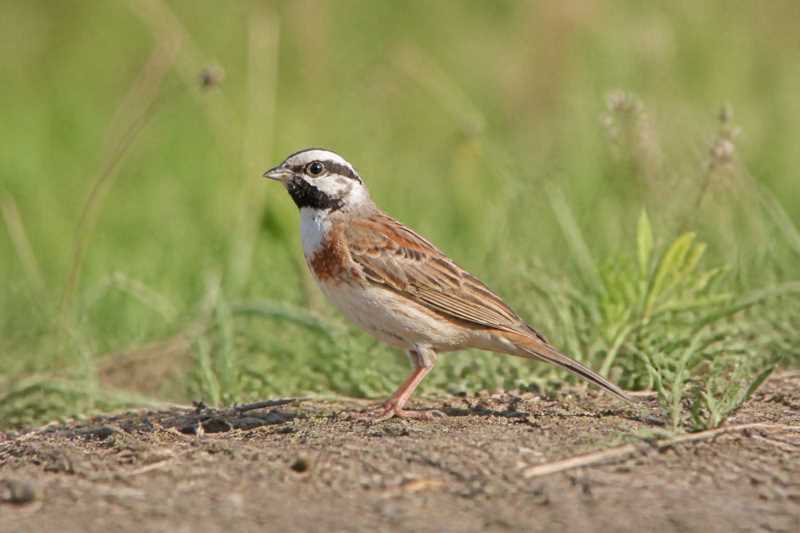
The White-capped Bunting is renowned for its distinct appearance. Adult males exhibit a striking contrast of colors, with a bright white crown and nape, which sharply contrasts with their otherwise chestnut-brown body. Females and juveniles, while less vividly colored, still possess a subtle beauty with their muted brown tones and streaked underparts. These colorations not only serve as camouflage against the rocky terrains but also play a role in mating displays and territorial disputes.
Behavior and Ecology
White-capped Buntings are known for their melodious songs, which are a vital part of their communication and breeding behavior. Males often sing from prominent perches to establish territory and attract females. These songs are intricate and can vary significantly between individuals, offering a rich area of study for ornithologists interested in avian acoustics and communication.
In terms of diet, these buntings are granivorous, primarily feeding on seeds and grains. However, they are also known to consume insects, especially during the breeding season when the demand for protein increases. This dietary flexibility allows them to adapt to the seasonal availability of food resources in their high-altitude habitats.
Reproduction and Lifespan
The breeding season for the White-capped Bunting typically spans from May to July. During this period, males engage in elaborate courtship displays, which include singing and aerial displays to attract a mate. Once paired, the female constructs a nest often hidden among rocks or low shrubs. The nest is a simple cup-shaped structure made of grass and twigs, lined with softer materials such as feathers or animal hair.
Females lay a clutch of 3 to 5 eggs, which they incubate for about 12 to 14 days. After hatching, both parents participate in feeding the chicks, which fledge approximately two weeks after hatching. The parental investment is crucial for the survival of the young, especially in the harsh environments where these birds reside.
Conservation Status
Currently, the White-capped Bunting is listed as a species of Least Concern by the International Union for Conservation of Nature (IUCN). However, like many high-altitude species, they face potential threats from habitat loss and climate change. As temperatures rise and human activities encroach upon their habitats, continuous monitoring is essential to ensure their populations remain stable.
Importance in the Ecosystem
The White-capped Bunting plays a significant role in its ecosystem, primarily through seed dispersal and as a part of the food web. By consuming seeds, they contribute to the propagation of various plant species, thereby maintaining the ecological balance in their habitats. Additionally, as prey for larger birds and mammals, they are integral to the trophic dynamics of their environment.
Conclusion
The White-capped Bunting is a captivating subject for both amateur birdwatchers and professional ornithologists. Its unique adaptations to high-altitude life, combined with its striking appearance and melodious song, make it a symbol of the biodiversity found in Central Asia’s rugged landscapes. Continued research and conservation efforts are vital to preserving this species and understanding the broader ecological impacts of changing climates on high-altitude avian species.
Through increased awareness and study, we can ensure that the White-capped Bunting continues to thrive, contributing to the rich tapestry of life that defines its mountainous home.
Related posts