Osgood’s Vietnamese Rat (Rattus osgoodi): A Comprehensive Guide
Introduction
Osgood’s Vietnamese Rat, scientifically known as Rattus osgoodi, is a lesser-known species of rodent native to Southeast Asia. This elusive creature is part of the diverse family of Muridae, which encompasses a wide variety of rats and mice. Named after Wilfred Hudson Osgood, an American zoologist who made significant contributions to the field, this species is primarily found in Vietnam. Despite its somewhat obscure status, the Osgood’s Vietnamese Rat plays a crucial role in the ecosystem, and understanding its biology and conservation status is vital for preserving biodiversity in its natural habitat.
Physical Description
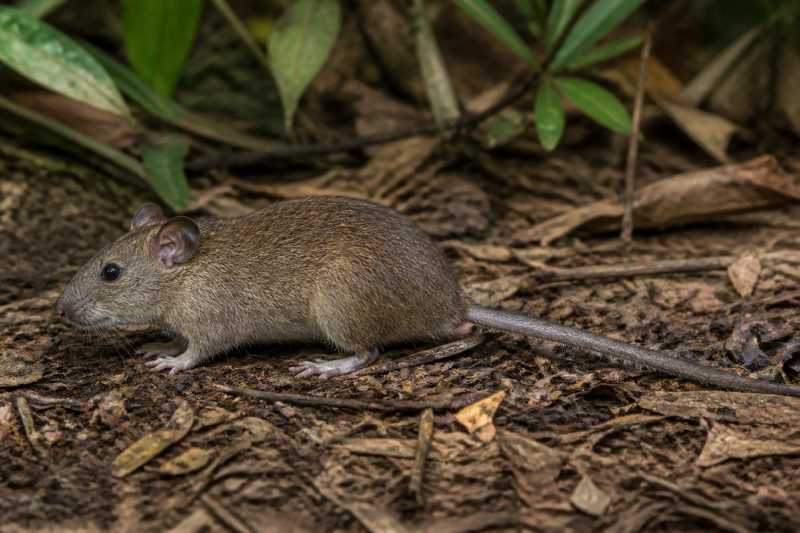
The Osgood’s Vietnamese Rat is a medium-sized rodent characterized by a number of distinct physical features. Adult individuals typically measure between 18 to 22 centimeters in body length, with a tail that is slightly longer than the body, which aids in balance and agility in their arboreal habitats. The fur is generally a dark brown or grey, providing excellent camouflage against the forest floor and dense foliage.
Their ears are moderately large and rounded, a common trait among forest-dwelling rodents, enhancing their auditory sensitivity to predator movements. The eyes are also relatively large, adapted for nocturnal activity. The snout is pointed, and the whiskers are long and sensitive, assisting in navigation through complex environments.
Range and Habitat
Osgood’s Vietnamese Rat is endemic to Vietnam, with its range primarily restricted to the northern regions of the country. The species thrives in tropical and subtropical forests, where dense vegetation provides ample cover from predators and a rich supply of food sources.
These rats are highly adaptable and can be found in both lowland and montane forests. They are often associated with areas of secondary growth, which suggests a certain level of resilience to habitat disturbance. However, their overall distribution is not well-documented, largely due to the inaccessibility of their preferred habitats and the general lack of comprehensive field studies.
Behavior and Diet
Osgood’s Vietnamese Rat is primarily nocturnal, engaging in most of its foraging activities during the night. This behavior is typical of many rodent species, as it reduces exposure to predators. During the day, they are usually found in burrows or nests constructed from leaves and other forest materials.
Their diet is omnivorous, consisting of a variety of seeds, fruits, small insects, and occasionally small vertebrates. This dietary flexibility allows them to adapt to seasonal changes in food availability. They play an essential role in seed dispersal, contributing to the health and regeneration of their forest habitats.
Identification Tips (Field Recognition Cues)
Identifying Osgood’s Vietnamese Rat in the wild requires careful observation and knowledge of certain field cues. Here are some tips for recognizing this species:
- Fur Coloration: Look for the distinctive dark brown or grey coloration, which blends well with forest surroundings.
- Tail Length: The tail is longer than the body, a key feature that distinguishes it from other rat species.
- Ear Size: Moderately large, rounded ears can help in differentiating them from other rodents.
- Activity Patterns: Nocturnal activity is a strong indicator; sightings are more likely at night.
- Habitat: Presence in dense, undisturbed forest areas is a significant cue.
Conservation Status (with Threats and Protections)
Currently, the conservation status of Osgood’s Vietnamese Rat is listed as "Data Deficient" by the International Union for Conservation of Nature (IUCN). This status highlights the lack of sufficient data to make a direct or indirect assessment of its risk of extinction. However, there are several known threats to their survival.
Threats
- Habitat Loss: Deforestation for agriculture and urban development is a critical threat, leading to habitat fragmentation and loss.
- Hunting: Although not primarily targeted, they can be affected by indiscriminate trapping and hunting.
- Environmental Changes: Climate change poses a long-term threat by altering their habitats and food resources.
Protections
Efforts to conserve Osgood’s Vietnamese Rat are hindered by the limited data available. However, some steps are being taken:
- Protected Areas: Establishing and maintaining protected areas in Vietnam can help preserve critical habitats.
- Research Initiatives: More field studies are required to gather data on population size, distribution, and ecology.
Frequently Asked Questions
What does the Osgood’s Vietnamese Rat eat?
Osgood’s Vietnamese Rat is omnivorous, feeding on seeds, fruits, small insects, and occasionally small vertebrates. This diet helps them adapt to changing environmental conditions.
Where can the Osgood’s Vietnamese Rat be found?
This species is endemic to northern Vietnam, inhabiting tropical and subtropical forests with dense vegetation, often in areas of secondary growth.
How can I identify an Osgood’s Vietnamese Rat?
Key identification features include dark brown or grey fur, a tail longer than the body, moderately large ears, and nocturnal activity patterns. Sightings are more likely in dense forest areas at night.
What are the main threats to the Osgood’s Vietnamese Rat?
The primary threats include habitat loss due to deforestation, hunting, and environmental changes such as climate change.
What is the conservation status of the Osgood’s Vietnamese Rat?
The species is currently listed as "Data Deficient" by the IUCN, indicating a need for more comprehensive research to assess its risk of extinction.
Understanding and protecting the Osgood’s Vietnamese Rat is crucial for maintaining the ecological balance in its native habitats. Continued research and conservation efforts are essential to ensure its survival and the health of the ecosystems it inhabits.
Related posts