Greater Short-nosed Fruit Bat (Cynopterus sphinx): A Comprehensive Guide
Introduction
The Greater Short-nosed Fruit Bat, known scientifically as Cynopterus sphinx, is a fascinating species belonging to the family Pteropodidae. These bats are commonly found across South and Southeast Asia and are recognized for their essential role in pollination and seed dispersal, which significantly contributes to the health of tropical ecosystems. This article delves into the intricate details of their physical characteristics, habitats, behaviors, and conservation status, offering a comprehensive understanding of this crucial mammal species.
Physical Description
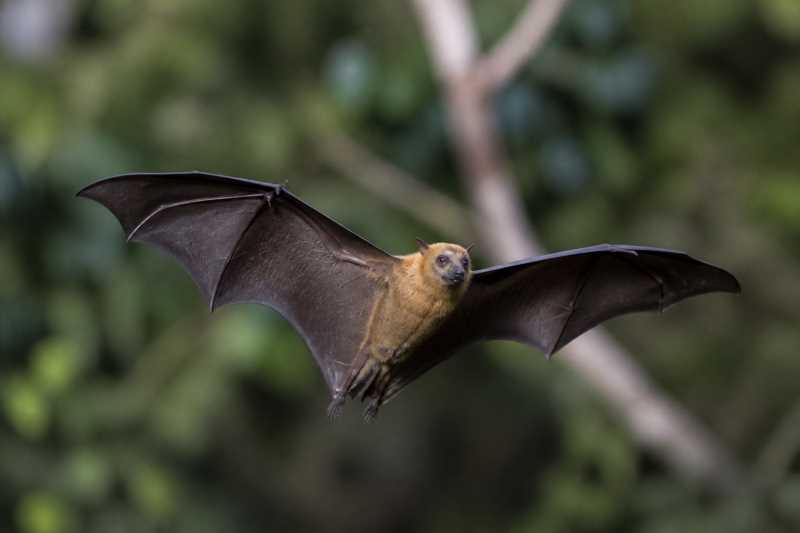
The Greater Short-nosed Fruit Bat is a medium-sized bat species, exhibiting a distinctive physical appearance that sets it apart from other fruit bats. These bats typically weigh between 40 to 70 grams and have a wingspan ranging from 48 to 58 centimeters. The head-body length of these bats is about 8 to 11 centimeters, making them relatively compact.
Their fur is generally short and varies in color from shades of brown to grayish hues, with a paler underside. Notably, the species has a short, broad snout, which is a characteristic feature that aids in identifying them. Their eyes are relatively large, facilitating better vision at night, while their ears are small and rounded.
One of the most distinguishing features of the Greater Short-nosed Fruit Bat is the presence of a distinct, leaf-like projection called the noseleaf on their snout. This anatomical structure is believed to aid in their echolocation abilities, although they rely less on echolocation compared to other bat species.
Range and Habitat
The Greater Short-nosed Fruit Bat is widespread across a range of geographical locations in South and Southeast Asia, including countries like India, Bangladesh, Sri Lanka, Myanmar, Thailand, Vietnam, Malaysia, and Indonesia. Their adaptability to various environments is remarkable, as they can thrive in both urban and rural settings.
These bats predominantly inhabit tropical and subtropical regions, where they are often found in forests, gardens, and plantations. They are also known to roost in caves, hollow trees, and man-made structures such as buildings and roofs. The ability of these bats to adapt to human-altered landscapes has contributed significantly to their widespread distribution.
Behavior and Diet
Greater Short-nosed Fruit Bats are primarily nocturnal creatures, becoming active at dusk as they embark on their nightly foraging expeditions. They are social animals, often roosting in small colonies that can range from a few individuals to several dozen.
The diet of the Greater Short-nosed Fruit Bat is predominantly frugivorous, with a preference for a variety of fruits such as mangoes, guavas, bananas, and figs. Their feeding habits play a crucial ecological role, as they are effective seed dispersers, enhancing forest regeneration and biodiversity.
In addition to fruits, these bats may occasionally consume nectar and flowers, contributing to their role as pollinators. This diet not only sustains their energy needs but also establishes them as vital components of their ecosystems.
Identification Tips (Field Recognition Cues)
Identifying the Greater Short-nosed Fruit Bat in the field can be facilitated by several key characteristics:
- Size and Shape: Look for a medium-sized bat with a compact body and a wingspan of 48 to 58 centimeters.
- Fur Color: Observe the short fur, which typically presents in brown to grayish tones with a paler underside.
- Noseleaf: Check for the presence of a leaf-like projection on the snout, a distinctive feature of this species.
- Roosting Habits: Notice their preference for roosting in caves, trees, and urban structures.
- Activity Patterns: They are primarily nocturnal, so sightings are more likely after dusk.
Conservation Status (with Threats and Protections)
The Greater Short-nosed Fruit Bat is currently classified as Least Concern by the International Union for Conservation of Nature (IUCN). Despite this favorable status, they face several threats that could impact their populations in the future.
Threats
- Habitat Loss: Urbanization and deforestation are significant threats, leading to the loss of roosting and foraging habitats.
- Hunting and Exploitation: In some regions, these bats are hunted for food and traditional medicine, posing a direct threat to their populations.
- Climate Change: Alterations in climate patterns can affect the availability of their food resources and suitable habitats.
Protections
Conservation efforts for the Greater Short-nosed Fruit Bat include habitat preservation and legal protection in certain regions. Additionally, awareness programs highlighting their ecological importance can contribute to reducing human-induced threats.
Frequently Asked Questions
1. What is the role of Greater Short-nosed Fruit Bats in the ecosystem?
Greater Short-nosed Fruit Bats are vital for pollination and seed dispersal, which helps maintain healthy ecosystems. Their feeding habits facilitate forest regeneration and support biodiversity by aiding in the propagation of various plant species.
2. How can I attract Greater Short-nosed Fruit Bats to my garden?
To attract these bats, consider planting fruit-bearing trees such as mangoes, bananas, and guavas. Providing a water source and ensuring minimal disturbance can also encourage their presence.
3. Are Greater Short-nosed Fruit Bats dangerous to humans?
Generally, Greater Short-nosed Fruit Bats are not dangerous to humans. They are shy and non-aggressive, primarily feeding on fruits. However, like all wildlife, they should be observed from a distance to avoid any potential transmission of diseases.
4. How do Greater Short-nosed Fruit Bats navigate at night?
While they possess some echolocation abilities, Greater Short-nosed Fruit Bats primarily rely on their keen sense of smell and vision to navigate and locate food during nighttime foraging.
5. What measures are in place to protect Greater Short-nosed Fruit Bats?
In regions where they are threatened, legal protections and conservation programs aim to preserve their habitats and educate the public about their ecological significance.
Related posts