Introduction
The Brow-antlered Deer, scientifically known as Rucervus eldii, is a captivating and rare species found in parts of South and Southeast Asia. Known for its impressive antlers and elusive nature, this deer holds a special place in the hearts of wildlife enthusiasts and conservationists alike. As a member of the Cervidae family, the Brow-antlered Deer is not only an emblem of the rich biodiversity of the regions it inhabits but also a symbol of the conservation challenges facing many species today. This comprehensive guide delves into the physical characteristics, habitat preferences, behaviors, and conservation efforts surrounding this remarkable species.
Physical Description
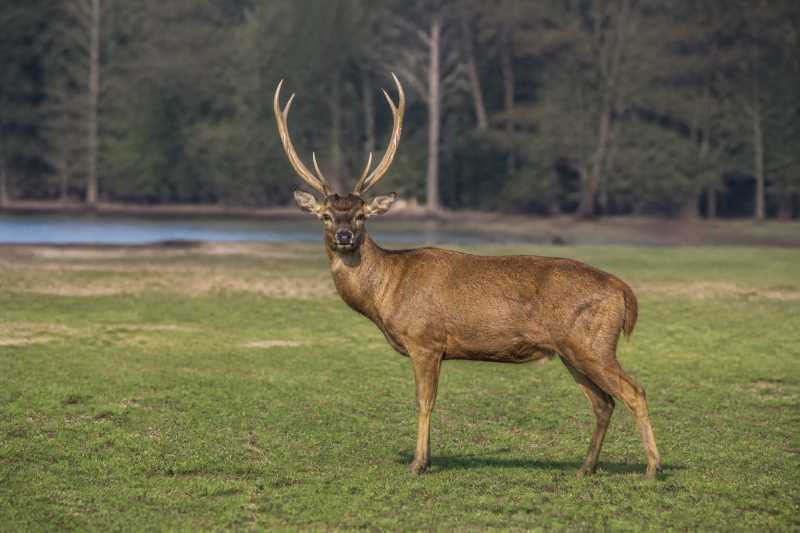
The Brow-antlered Deer is renowned for its distinctive antlers, which are long, slender, and sweep upward and backward, resembling an elegant bow. The species exhibits sexual dimorphism, with males being larger and possessing more pronounced antlers compared to females. Mature males can weigh between 95 to 150 kilograms (209 to 331 pounds) and stand about 110 to 125 centimeters (43 to 49 inches) at the shoulder. Females, on the other hand, are generally smaller and lack the prominent antlers.
The coat of the Brow-antlered Deer is generally a light brown or tan color, which provides effective camouflage within its natural environment. Seasonal variations in coat color can occur, with a darker shade appearing during the monsoon season. Their large, expressive eyes and elongated ears further enhance their sensory perceptions, crucial for detecting predators.
Range and Habitat
Historically, the Brow-antlered Deer ranged across the lush forests and grasslands of India, Myanmar, Thailand, Cambodia, Laos, Vietnam, and parts of China. However, the species has experienced a significant reduction in its range due to habitat destruction and hunting pressures. Today, viable populations are primarily found in protected areas, including Keibul Lamjao National Park in India and several wildlife sanctuaries in Myanmar and Thailand.
This deer species thrives in a variety of habitats, including deciduous forests, moist grasslands, and swampy regions. They are particularly adapted to living in areas with dense undergrowth, which provides both food and cover from predators. The availability of water sources is a crucial factor in their habitat selection, as they require access to water for drinking and foraging.
Behavior and Diet
Brow-antlered Deer are crepuscular, meaning they are most active during the early morning and late afternoon hours. This behavior helps them avoid the peak activity times of many predators. They are generally social animals, forming herds that can consist of up to 30 individuals, although smaller groupings are more common.
Their diet primarily consists of grasses, leaves, shoots, and fruits. The availability of these food sources can fluctuate seasonally, prompting the deer to undertake short migrations within their home range to locate adequate nutrition. The species has adapted to a diet that can sustain them even in less fertile environments, showcasing their resilience.
Identification Tips
Identifying the Brow-antlered Deer in the wild can be a rewarding experience. Here are some key tips for recognizing this species:
- Antlers: Look for the distinctive bow-shaped antlers of mature males, which are unlike those of any other deer species.
- Size and Color: Note the medium size and light brown coat, which may vary slightly with the seasons.
- Habitat: Pay attention to their preferred habitats of dense undergrowth and proximity to water.
- Behavior: Observe their crepuscular activity patterns, often seen grazing or moving in groups during dawn and dusk.
Conservation Status
The Brow-antlered Deer is classified as "Endangered" on the IUCN Red List due to habitat loss, poaching, and fragmentation of their natural range. Significant threats include agricultural expansion, illegal hunting for meat and antlers, and competition with livestock for resources.
Conservation efforts are underway to protect and restore populations of this species. Key initiatives include habitat restoration projects, anti-poaching patrols, and community-based conservation programs. Protected areas such as Keibul Lamjao National Park have been instrumental in providing a safe haven for these deer, although ongoing efforts and international cooperation are essential to ensure their long-term survival.
Frequently Asked Questions
1. What is the current population of Brow-antlered Deer?
Estimating the exact population of Brow-antlered Deer is challenging due to their elusive nature and fragmented habitats. However, it is believed that only a few thousand individuals remain in the wild, with the largest populations found in protected reserves.
2. Why are Brow-antlered Deer endangered?
The primary reasons for their endangered status include habitat destruction due to agricultural practices, illegal hunting for their antlers and meat, and competition with domestic livestock for natural resources.
3. How can we help in the conservation of Brow-antlered Deer?
Supporting conservation organizations, promoting sustainable agricultural practices, and raising awareness about the species are effective ways to help. Additionally, advocating for the expansion of protected areas can contribute to their preservation.
4. Where can I see Brow-antlered Deer in the wild?
Keibul Lamjao National Park in India and various wildlife sanctuaries in Myanmar and Thailand are among the best places to observe Brow-antlered Deer in their natural habitat.
5. How do Brow-antlered Deer communicate?
Brow-antlered Deer use a combination of vocalizations, body language, and scent marking to communicate with each other. These methods are essential for maintaining social bonds and signaling potential threats.
Related posts