Introduction
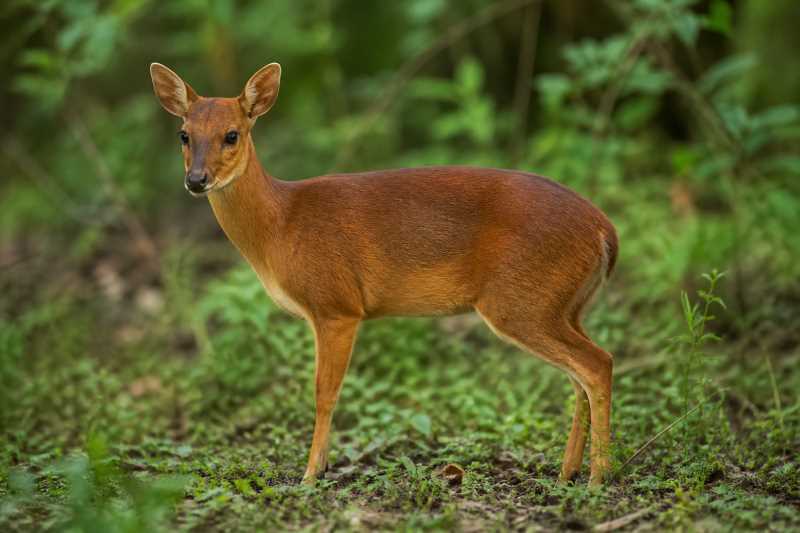
The Natal Red Duiker (Cephalophorus natalensis) is a small and captivating antelope species nestled within the lush, dense forests of southeastern Africa. Known for its elusive nature and striking appearance, the Natal Red Duiker is a creature of intrigue for both wildlife enthusiasts and researchers. This article delves into the various aspects of this fascinating mammal, from its physical characteristics and habitat to its behavior and conservation status.
Physical Description
The Natal Red Duiker is a small antelope, typically standing about 40 to 50 cm at the shoulder and weighing between 12 to 15 kg. Its body is compact, with a distinctive reddish-brown coat that serves as excellent camouflage against the forest floor and foliage. The underparts of the animal are generally lighter, providing contrast to its darker back.
A notable feature of the Natal Red Duiker is its short, spiky horns, present in both males and females, though they tend to be slightly larger in males. These horns typically measure around 6 to 9 cm in length. The face of the Natal Red Duiker is adorned with a tuft of hair on the forehead, and its large, dark eyes and ears contribute to its keen sense of awareness, essential for survival in its dense forest habitat.
Range and Habitat
The Natal Red Duiker is predominantly found in the southeastern regions of Africa, particularly within the countries of South Africa, Eswatini (Swaziland), and Mozambique. Its preferred habitats are the dense, moist forests and thickets, where it can find ample cover and food resources.
These forests provide the Natal Red Duiker with a complex environment that supports its solitary and secretive lifestyle. They thrive in areas with abundant undergrowth, which offer both sustenance and protection from predators. The fragmentation and degradation of these habitats due to human activities pose significant threats, making conservation efforts crucial for their survival.
Behavior and Diet
Natal Red Duikers are primarily solitary animals, although they may occasionally be seen in pairs, especially during mating seasons. They are crepuscular, meaning they are most active during the early morning and late afternoon hours, which helps them avoid the peak activity times of many predators.
Their diet mainly consists of fruits, flowers, leaves, and shoots, making them important seed dispersers within their ecosystem. They have adapted to a browsing lifestyle, utilizing their nimble bodies to navigate the dense underbrush in search of food. The Natal Red Duiker’s feeding habits play a vital role in maintaining the ecological balance of their forest habitats.
Identification Tips (Field Recognition Cues)
Recognizing a Natal Red Duiker in the wild requires keen observation and an understanding of their distinctive features. Here are some tips for identifying this elusive antelope:
- Coloration: Look for the unique reddish-brown coat, which helps them blend into their surroundings.
- Size and Build: Notice their small, compact body size, which sets them apart from other antelope species.
- Horns: Both males and females possess short, spiky horns, which are an identifying characteristic.
- Behavior: Observe their solitary nature and crepuscular activity patterns, often seen foraging during dawn and dusk.
Conservation Status (With Threats and Protections)
The Natal Red Duiker is currently classified as "Least Concern" by the International Union for Conservation of Nature (IUCN). However, they face several threats that could impact their populations if not managed effectively. The primary threats include habitat loss due to agricultural expansion, logging, and human settlement.
Conservation efforts for the Natal Red Duiker focus on habitat preservation and the establishment of protected areas. Several national parks and reserves within their range offer a haven for these animals, helping to mitigate the effects of habitat fragmentation. Additionally, conservation organizations are working to raise awareness about the importance of these ecosystems and the role of the Natal Red Duiker within them.
Frequently Asked Questions
1. What is the lifespan of a Natal Red Duiker in the wild?
Natal Red Duikers typically live for about 8 to 12 years in the wild. Their lifespan can be influenced by factors such as predation, habitat quality, and availability of food resources.
2. How do Natal Red Duikers protect themselves from predators?
These antelopes rely on their excellent camouflage and keen senses to detect and evade predators. They are also adept at navigating dense vegetation, allowing them to quickly escape threats.
3. Are Natal Red Duikers social animals?
No, Natal Red Duikers are generally solitary. They may pair up temporarily during the mating season, but otherwise, they prefer to lead a solitary existence.
4. What role do Natal Red Duikers play in their ecosystem?
They are important seed dispersers, aiding in the regeneration of plant life in their forest habitats. Their browsing habits help maintain the ecological balance within these ecosystems.
5. Can Natal Red Duikers be found outside of Africa?
No, Natal Red Duikers are endemic to southeastern Africa, with no populations outside of their native range.
Related posts