Introduction
The Maroon Langur, scientifically known as Presbytis rubicunda, is a fascinating primate species that captivates both researchers and wildlife enthusiasts alike. Known for its striking reddish-brown fur and expressive eyes, the Maroon Langur is a unique member of the family Cercopithecidae, which includes Old World monkeys. This arboreal species is primarily found in the tropical forests of Borneo and parts of Indonesia. In this comprehensive guide, we delve into the physical characteristics, habitat, behavior, and conservation status of the Maroon Langur, providing insights that underscore the importance of preserving this remarkable species.
Physical Description
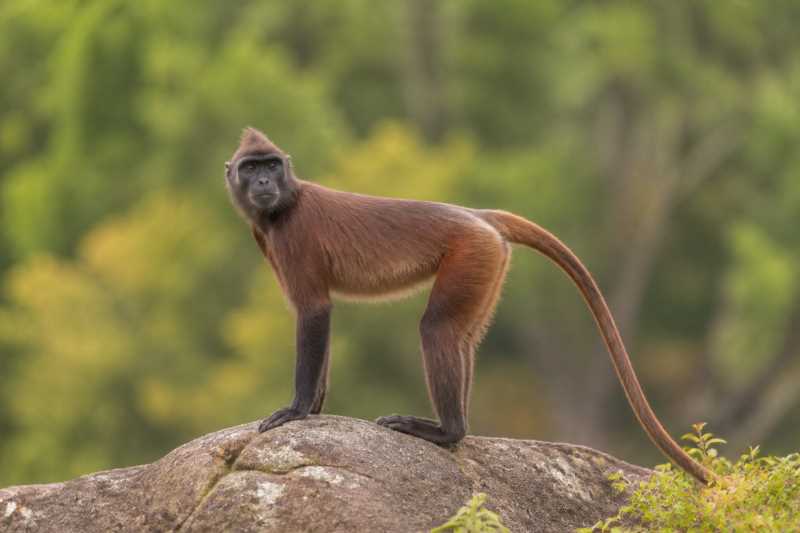
The Maroon Langur is a medium-sized primate characterized by its distinctive maroon or reddish-brown coat, which provides excellent camouflage in the dense forest canopy. Adult males typically weigh between 6.5 to 7.6 kg, while females are slightly smaller, weighing approximately 5.5 to 6.4 kg. Their slender bodies are complemented by long limbs and a tail that can exceed their body length, reaching up to 70 cm, which aids in balance and agility as they navigate through the trees.
One of the notable features of the Maroon Langur is its flattened, expressive face with a light-colored patch around the eyes and mouth, giving it a somewhat comical appearance. The species exhibits sexual dimorphism, with males having larger canines and a more robust build compared to females. This dimorphism is thought to play a role in social dynamics and competition among males.
Range and Habitat
The Maroon Langur is endemic to the island of Borneo, including the Malaysian states of Sabah and Sarawak, as well as the Indonesian provinces of Kalimantan. This species thrives in primary and secondary tropical forests, often inhabiting lowland dipterocarp forests, peat swamps, and montane forests up to 2,000 meters above sea level.
Maroon Langurs are highly arboreal, spending most of their lives in the forest canopy. They prefer areas with abundant foliage that offer ample food resources and protection from predators. Their habitat selection is influenced by the availability of fruiting trees and the density of the forest cover, which provides shelter and nesting sites.
Behavior and Diet
Maroon Langurs are diurnal and social animals that live in groups ranging from 3 to 14 individuals. These groups are typically composed of a single adult male, multiple females, and their offspring. The social structure is matrilineal, with females forming the core of the group and males often dispersing upon reaching maturity.
Their diet primarily consists of leaves, fruits, seeds, and flowers, making them folivores. However, they are also known to consume insects and other small invertebrates, particularly during times of fruit scarcity. The Maroon Langur’s complex stomach is adapted to ferment and digest tough plant materials, allowing them to extract maximum nutrients from their diet.
Communication within groups is facilitated by a variety of vocalizations, body postures, and facial expressions. Alarm calls are used to warn of potential threats, while softer calls are employed for maintaining group cohesion and social bonding.
Identification Tips (Field Recognition Cues)
Identifying Maroon Langurs in the wild can be a rewarding experience for wildlife enthusiasts and researchers. Here are some key identification tips:
- Coloration: Look for their distinctive reddish-brown fur, which stands out against the green foliage of their forest habitat.
- Tail Length: Their long tails, often longer than their bodies, are a distinguishing feature.
- Facial Features: Note the light-colored patches around their eyes and mouth, which are unique to this species.
- Vocalizations: Listen for their varied vocal calls, which include alarm calls and softer social calls.
- Group Dynamics: Observe their social behavior, typically seen in groups with a single adult male and several females.
Conservation Status (with Threats and Protections)
The Maroon Langur is currently classified as Near Threatened by the International Union for Conservation of Nature (IUCN). The primary threats to this species include habitat loss due to logging, land conversion for agriculture, and mining activities. Additionally, illegal hunting and wildlife trade pose significant risks to their population.
Conservation efforts are crucial to ensure the survival of the Maroon Langur. Protected areas and national parks in Borneo provide some refuge, but effective law enforcement and community involvement are essential to combat poaching and habitat destruction. Organizations working on the ground are also focusing on habitat restoration and raising awareness about the ecological importance of preserving langur populations.
Frequently Asked Questions
What is the habitat of the Maroon Langur?
The Maroon Langur inhabits tropical forests on the island of Borneo, including lowland dipterocarp forests, peat swamps, and montane forests up to 2,000 meters.
How can I identify a Maroon Langur in the wild?
Look for their distinctive reddish-brown fur, long tails, and light-colored facial patches, often seen in social groups with a single adult male.
Are Maroon Langurs endangered?
The Maroon Langur is classified as Near Threatened, with primary threats including habitat loss, illegal hunting, and wildlife trade.
What do Maroon Langurs eat?
Their diet consists mainly of leaves, fruits, seeds, and flowers, with occasional consumption of insects and small invertebrates.
How do Maroon Langurs communicate?
They use a range of vocalizations, body postures, and facial expressions to communicate within their social groups.
Related posts