Tonkin Greater Bamboo Bat (Tylonycteris tonkinensis): A Comprehensive Guide
Introduction
The Tonkin Greater Bamboo Bat, scientifically known as Tylonycteris tonkinensis, is a unique and relatively lesser-known species of bat that inhabits the dense bamboo forests of Southeast Asia. This species, like its relatives in the Tylonycteris genus, has adapted remarkably well to its specialized habitat, showcasing intriguing physical and behavioral adaptations. Despite its obscurity, the Tonkin Greater Bamboo Bat plays a significant role in its ecosystem, contributing to insect population control and aiding in the maintenance of the ecological balance.
Physical Description
The Tonkin Greater Bamboo Bat is a small, elusive creature characterized by its distinct physical features. Adults typically have a wingspan ranging from 18 to 25 centimeters, and their body length measures approximately 4 to 5 centimeters. Their weight is relatively light, usually between 4 to 8 grams, which aids their agility and flight proficiency.
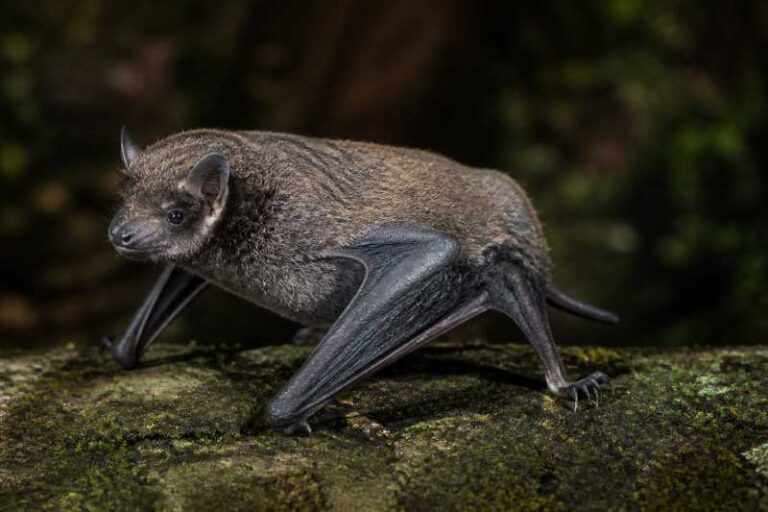
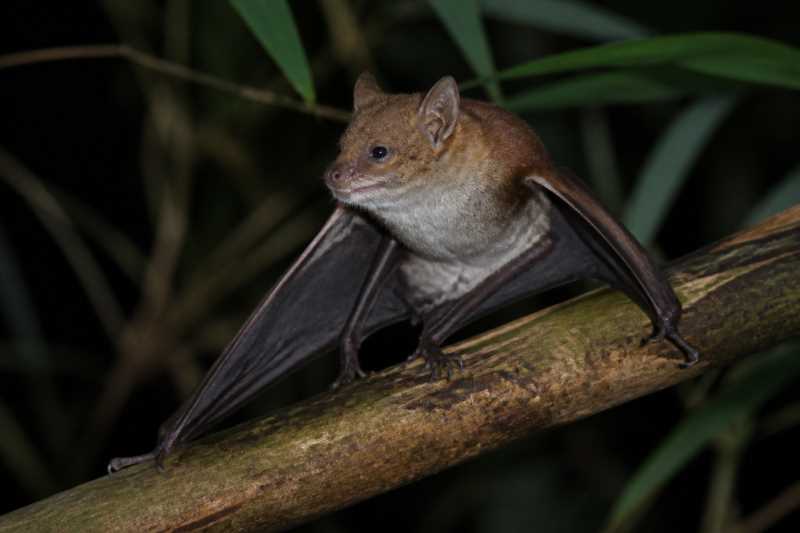
A prominent feature of this species is its elongated and slender limbs, which are pivotal for navigating the narrow confines of bamboo stalks. Their fur is generally dark brown with a subtle sheen, aiding in camouflage amongst the bamboo shadows. The ears are small and rounded, equipped with a tragus that helps in echolocation, a critical adaptation for nocturnal hunting. Their muzzle is short and blunt, contributing to their characteristic appearance.
Range and Habitat
The Tonkin Greater Bamboo Bat is predominantly found in the southeastern regions of Asia, with a range that includes parts of Vietnam, Laos, and southern China. These bats have a strong preference for lowland tropical and subtropical forests, particularly those that are rich in bamboo growth. Their habitat selection is largely influenced by the availability of bamboo, as they utilize the hollow internodes of bamboo stalks for roosting and nesting.
This species thrives in undisturbed forests but is also known to inhabit secondary forests and areas undergoing regeneration. However, their dependence on bamboo makes them vulnerable to habitat destruction, particularly from logging and agricultural expansion.
Behavior and Diet
The Tonkin Greater Bamboo Bat is predominantly nocturnal, emerging at dusk to embark on foraging expeditions. Their diet primarily consists of small insects, which they skillfully hunt using echolocation. This ability to emit ultrasonic calls allows them to navigate and locate prey in complete darkness.
Socially, these bats are known to form small colonies, often roosting communally within a single bamboo stalk. The hollow structure of bamboo provides an ideal microhabitat, offering shelter from predators and environmental elements. During the day, they rest and groom within these confines, conserving energy for their nocturnal activities.
Reproductive patterns of the Tonkin Greater Bamboo Bat are not extensively documented; however, like many bat species, they are believed to have a seasonal breeding cycle aligned with food availability.
Identification Tips (Field Recognition Cues)
Identifying the Tonkin Greater Bamboo Bat in the wild can be challenging due to their small size and elusive nature. However, several field recognition cues can aid in their identification:
- Habitat: Look for these bats in areas dense with bamboo growth, particularly in lowland tropical forests.
- Size and Shape: Observe their small size, slender body, and elongated limbs, which are indicative of the Tylonycteris genus.
- Flight Pattern: Note their agile and erratic flight patterns, typical of insectivorous bats.
- Echolocation Calls: Utilize bat detectors to identify their high-frequency echolocation calls, which are often species-specific.
- Roosting Sites: Check hollow bamboo stalks for signs of habitation, such as guano deposits at the base.
Conservation Status (with Threats and Protections)
The conservation status of the Tonkin Greater Bamboo Bat is currently assessed as Data Deficient by the International Union for Conservation of Nature (IUCN). This classification highlights the lack of comprehensive data on their population trends and distribution. However, several threats to their survival have been identified.
Threats
- Habitat Loss: The destruction of bamboo forests due to logging, agricultural expansion, and urban development poses a significant threat to their habitat.
- Pesticide Use: The use of pesticides in agricultural practices can reduce insect populations, impacting the food availability for these insectivorous bats.
- Climate Change: Alterations in climate patterns can affect the growth and distribution of bamboo, thereby influencing the habitat availability for this species.
Protections
Efforts to conserve the Tonkin Greater Bamboo Bat involve:
- Habitat Protection: Establishing protected areas and reserves that encompass critical bamboo habitats.
- Research Initiatives: Conducting ecological studies to gather data on their population dynamics and habitat requirements.
- Community Engagement: Promoting awareness and involvement among local communities in conservation efforts.
Frequently Asked Questions
What is the primary habitat of the Tonkin Greater Bamboo Bat?
The Tonkin Greater Bamboo Bat primarily inhabits lowland tropical and subtropical forests with dense bamboo growth. They rely on the hollow internodes of bamboo for roosting and nesting.
How does the Tonkin Greater Bamboo Bat locate its prey?
This bat species uses echolocation to navigate and hunt. By emitting ultrasonic calls, they can detect and capture small insects in complete darkness.
What are the main threats to the Tonkin Greater Bamboo Bat?
The primary threats include habitat loss due to logging and agricultural expansion, pesticide use reducing insect prey availability, and climate change affecting bamboo distribution.
How can one identify the Tonkin Greater Bamboo Bat in the wild?
Identifying this bat involves looking for them in bamboo-rich habitats, noting their small size and erratic flight patterns, and using bat detectors to pick up their echolocation calls.
Are there any conservation efforts in place for the Tonkin Greater Bamboo Bat?
Yes, conservation efforts focus on habitat protection, conducting research to understand their ecological needs, and engaging local communities in conservation initiatives.
Related posts