Introduction
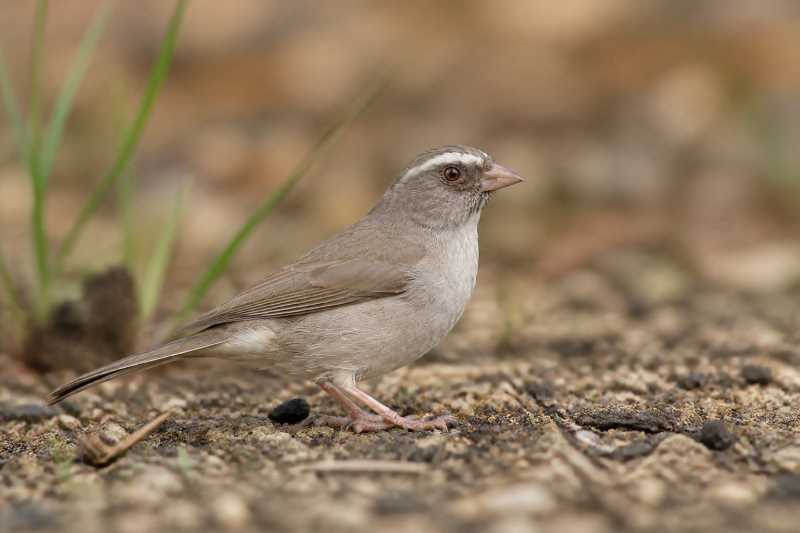
The Brown-rumped Seedeater (Crithagra tristriata) is a small passerine bird belonging to the family Fringillidae. This species is often overshadowed by its more colorful relatives, yet it holds a unique charm and ecological importance within its habitat. Native to the highlands of Ethiopia and Eritrea, the Brown-rumped Seedeater is a fascinating subject of study for ornithologists and bird enthusiasts alike. This article explores the various aspects of the Brown-rumped Seedeater, from its taxonomy and physical characteristics to its behavior, habitat, and conservation status.
Taxonomy and Classification
The Brown-rumped Seedeater was once classified under the genus Serinus, but recent taxonomic revisions have placed it in the genus Crithagra. This reclassification is based on molecular studies that provided new insights into the phylogenetic relationships within the Fringillidae family. The species name ‘tristriata’ refers to the three distinct stripes typically observed in the plumage of the bird.
Physical Characteristics
The Brown-rumped Seedeater is a small bird, measuring approximately 12-13 cm in length and weighing around 12-16 grams. As its name suggests, this bird is characterized by its distinct brown rump, which contrasts with its otherwise greyish-brown plumage. The bird’s underparts are a lighter shade of grey, and it exhibits faint streaking on its breast and flanks. The bill of the Brown-rumped Seedeater is conical and robust, adapted for seed consumption, which forms the primary component of its diet.
Distribution and Habitat
The Brown-rumped Seedeater is endemic to the Ethiopian Highlands and the highlands of Eritrea, where it inhabits open woodlands, scrublands, and cultivated areas at elevations ranging from 1,500 to 3,200 meters. These regions offer a temperate climate and are characterized by a mix of grasslands and shrub vegetation, which provide ample food sources and nesting sites for the species. The bird is well-adapted to these high-altitude environments and is a common sight in both natural and human-altered landscapes.
Behavior and Ecology
Feeding Habits
Primarily granivorous, the Brown-rumped Seedeater feeds on a variety of seeds from grasses and herbs. It forages both on the ground and in low vegetation, often forming small flocks outside the breeding season. The bird’s strong, conical bill is adept at cracking open seeds, and it occasionally supplements its diet with small insects and other invertebrates, which are especially important for feeding nestlings.
Breeding and Reproduction
The breeding season for the Brown-rumped Seedeater typically coincides with the rainy season, which varies depending on the geographic location within its range. During this period, the availability of food increases, providing the necessary resources for raising young. The species is monogamous, with pairs forming strong bonds. Nests are constructed using grasses and plant fibers, often hidden in dense shrubbery or low trees to protect against predators. The female lays an average of 3-4 eggs, which she incubates for about 12-14 days. Both parents partake in feeding the chicks, which fledge approximately two weeks after hatching.
Vocalizations
The song of the Brown-rumped Seedeater is a melodious series of trills and whistles, which vary in complexity and length. These vocalizations play a crucial role in territory defense and mate attraction. Males are known to sing from prominent perches, advertising their presence and fitness to potential mates and rivals.
Conservation Status
Currently, the Brown-rumped Seedeater is classified as a species of ‘Least Concern’ by the International Union for Conservation of Nature (IUCN). Despite its limited range, the species is relatively common within its habitat and appears to adapt well to human-altered environments. However, ongoing habitat loss due to agricultural expansion and deforestation poses potential threats. Conservation efforts should focus on habitat preservation and monitoring population trends to ensure the species remains stable.
Importance in Ecosystem
The Brown-rumped Seedeater plays a vital role in its ecosystem as a seed disperser, contributing to the maintenance of plant diversity in its habitat. By consuming and excreting seeds, the bird aids in the propagation of various plant species, which in turn supports a wide array of other wildlife. Moreover, as a prey species, it forms part of the food web, supporting predators such as birds of prey and small mammals.
Conclusion
The Brown-rumped Seedeater, while not as flamboyant as some of its relatives, is a remarkable example of avian adaptation to highland ecosystems. Its ability to thrive in both natural and modified landscapes highlights its resilience and ecological significance. Continued research and conservation efforts are essential to safeguard the future of this unique species, ensuring that it remains a vibrant component of the highland avifauna.
Understanding the life history and ecological role of the Brown-rumped Seedeater not only enriches our knowledge of biodiversity but also underscores the importance of preserving the delicate balance of ecosystems that support such diverse life forms. As human populations continue to grow and alter natural landscapes, it becomes increasingly critical to foster cohabitation strategies that benefit both wildlife and human communities.
By appreciating and protecting species like the Brown-rumped Seedeater, we contribute to the broader conservation goals that sustain the rich tapestry of life on Earth.
Related posts