Introduction
The Red Rock Rat, scientifically known as Aethomys chrysophilus, is a fascinating rodent that belongs to the Muridae family. Predominantly found in the southern regions of Africa, this species is a vital part of the ecosystem, playing key roles in seed dispersion and as a prey species for numerous predators. Despite their seeming insignificance, the Red Rock Rat is a subject of interest for researchers due to its adaptability and unique behaviors.
Understanding the Red Rock Rat is crucial not only for ecological reasons but also for the broader implications of biodiversity conservation. This article delves into the various facets of this intriguing species, from its physical characteristics to its habitat preferences, behavior, and conservation status.
Physical Description
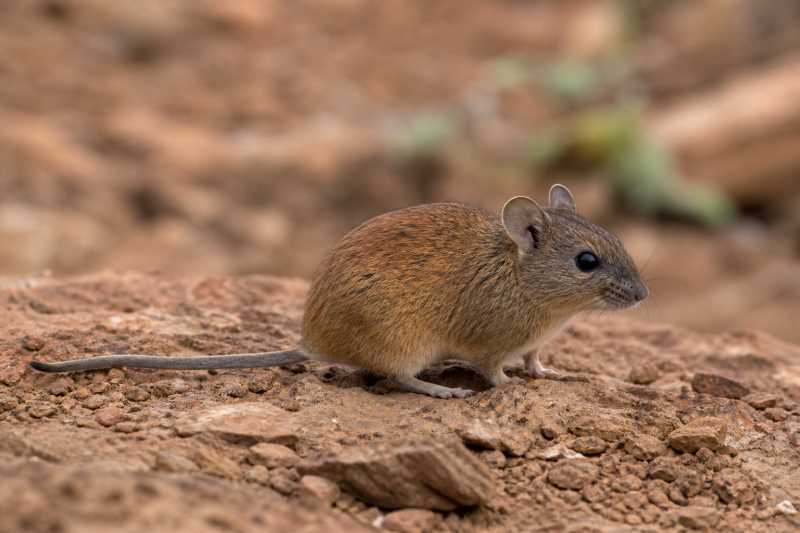
The Red Rock Rat is a medium-sized rodent, typically measuring between 15 to 20 centimeters in body length, with a tail that often matches or slightly exceeds the body length. This tail is not only a distinctive feature but also serves as a balance aid when navigating its rocky environment.
The Red Rock Rat’s coat is primarily a reddish-brown, with subtle variations in color that can range from a more muted brown to a vibrant rust-like hue. This coloration serves as a natural camouflage against the rocky and earthy backgrounds of its habitat. Its underbelly is lighter, often a soft off-white or pale gray, providing a stark contrast to its darker dorsal fur.
Their ears are relatively large for their size, aiding in acute hearing, which is vital for detecting predators and communicating with conspecifics. The eyes of the Red Rock Rat are also prominent, giving it excellent night vision, an essential trait for its nocturnal lifestyle.
Range and Habitat
The Red Rock Rat is predominantly found in the southern part of the African continent. Its range extends through countries such as South Africa, Zimbabwe, Mozambique, and parts of Botswana. The species favors rocky terrains, hence its name, as these environments provide ample cover and protection from predators.
Their habitats are typically characterized by rocky outcrops, savannas, and woodland areas. These environments offer a mix of cover and foraging opportunities. The Red Rock Rat is highly adaptable, often found in both natural and semi-urban areas, where they have learned to coexist alongside human developments.
Their preference for rocky habitats is not arbitrary; these areas offer numerous crevices and hiding spots that protect the rats from predators and harsh weather conditions. Additionally, the diverse flora in these regions supplies a steady diet throughout the year, making it an ideal habitat.
Behavior and Diet
Red Rock Rats are primarily nocturnal, spending their nights foraging and their days resting in the safety of rocky crevices or burrows. Their social structure tends to be solitary or small family groups, which minimizes competition for resources within their territory.
The diet of the Red Rock Rat is omnivorous, though they primarily consume plant material. Their diet includes seeds, fruits, stems, and occasionally insects and small invertebrates. This varied diet not only supports their nutritional needs but also plays a role in seed dispersion, contributing to plant propagation in their habitat.
These rodents are also known for their territorial behavior, with males especially establishing and defending their territories. Communication is primarily through scent markings and auditory signals. Such behaviors are critical for maintaining their social structure and avoiding unnecessary conflicts.
Identification Tips (Field Recognition Cues)
Identifying the Red Rock Rat in the field involves a few key features:
- Coloration: Look for the unique reddish-brown fur that blends into rocky and earthy backgrounds.
- Size: Medium-sized rodent with a body length of 15-20 cm and a tail of similar or slightly longer length.
- Ears and Eyes: Large ears and eyes relative to body size, adapted for nocturnal activity.
- Habitat: Typically found in rocky terrains, savannas, and woodlands in southern Africa.
When observing these rodents, note their behavior and habitat, as these can also aid in accurate identification.
Conservation Status (with Threats and Protections)
As of the latest assessments, the Red Rock Rat is classified as a species of "Least Concern" on the IUCN Red List. This classification implies that the species is currently not at immediate risk of widespread decline. However, like many wildlife species, the Red Rock Rat faces several threats that could impact its populations in the future.
Threats
- Habitat Loss: Urbanization and agricultural expansion in southern Africa pose significant threats to their natural habitats.
- Predation: Predators such as birds of prey and snakes naturally regulate their populations, but increased predation from domestic animals like cats can be detrimental.
- Climate Change: Altered weather patterns and extreme climatic conditions can affect their habitat and food availability.
Protections
- Conservation Areas: Many populations reside within protected areas, which offer some buffer against habitat destruction.
- Research and Monitoring: Ongoing research and population monitoring help track their status and inform conservation efforts.
Frequently Asked Questions
What do Red Rock Rats primarily eat?
Red Rock Rats have an omnivorous diet, mainly consuming seeds, fruits, and plant stems, but they also eat insects and small invertebrates when available.
How do Red Rock Rats communicate?
Red Rock Rats communicate through scent markings and auditory signals. These methods help establish territory and avoid conflicts with other rats.
Where can you typically find Red Rock Rats?
Red Rock Rats are found in rocky terrains, savannas, and woodlands across countries like South Africa, Zimbabwe, Mozambique, and Botswana.
Are Red Rock Rats at risk of endangerment?
Currently, Red Rock Rats are classified as "Least Concern" on the IUCN Red List, indicating they are not at immediate risk. However, habitat loss and other factors could pose future risks.
How can you identify a Red Rock Rat in the wild?
You can identify a Red Rock Rat by its reddish-brown fur, medium size, large ears and eyes, and its preference for rocky habitats in southern Africa.
Related posts