Introduction
The Sonoma tree vole (Arborimus pomo) is a small, elusive rodent species native to the Pacific Northwest of the United States. Known for its arboreal lifestyle, this vole is an integral part of the region’s forest ecosystem. Despite its importance, the Sonoma tree vole is often overshadowed by more charismatic wildlife. However, recent conservation efforts have highlighted the need to understand and protect this unique species. This article delves into the fascinating world of the Sonoma tree vole, examining its physical characteristics, habitat preferences, behavior, and the challenges it faces in the wild.
Physical Description
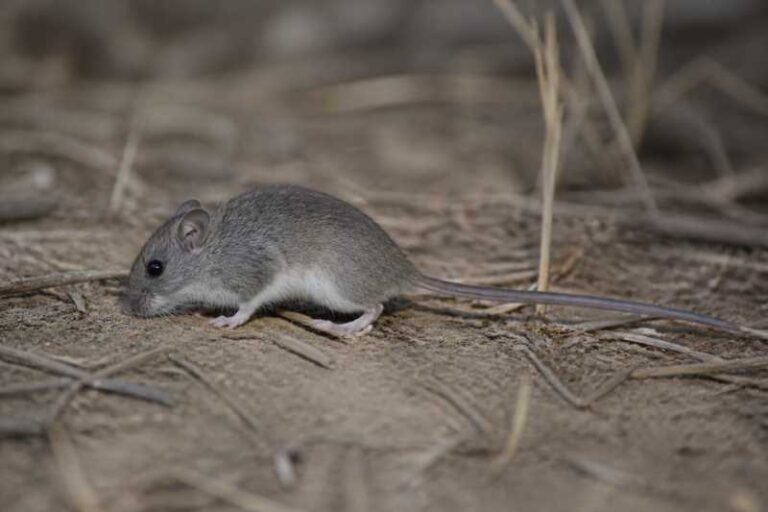
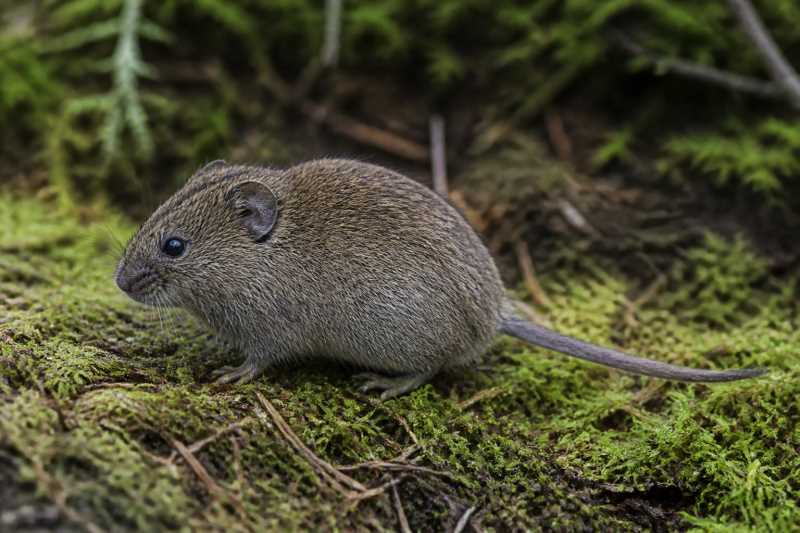
The Sonoma tree vole is a small mammal, typically weighing between 20 to 50 grams, with a body length ranging from 12 to 18 centimeters, including its tail. Its fur is dense and soft, providing insulation against the cool, damp environments it inhabits. The coloration of the fur is generally reddish-brown, which helps it blend into the forest canopy. The vole’s face is characterized by a blunt snout, small ears, and large, dark eyes that are well-suited for its nocturnal lifestyle.
One of the distinctive features of the Sonoma tree vole is its tail, which is relatively long compared to other vole species and prehensile, aiding in its arboreal locomotion. The feet are adapted for climbing, with sharp claws that offer a firm grip on bark and branches.
Range and Habitat
The Sonoma tree vole is primarily found in the coastal regions of Northern California, particularly within Sonoma County, hence its name. Its range extends into parts of southwestern Oregon, inhabiting coniferous forests dominated by Douglas-fir trees. These voles are arboreal, spending most of their lives in the trees, where they build nests high in the canopy.
Their preference for old-growth forests is due to the structural complexity and availability of food resources. Old-growth forests provide the voles with a rich supply of Douglas-fir needles, their primary food source, as well as ample nesting sites. However, their dependence on such specific habitats makes them vulnerable to habitat loss due to logging and land conversion.
Behavior and Diet
Sonoma tree voles are nocturnal creatures, primarily active during the night when they forage for food. Their diet consists mainly of the needles of Douglas-fir trees, although they may occasionally consume other conifer needles. They have a specialized digestive system that allows them to process the tough, fibrous material of the needles, extracting necessary nutrients.
These voles are solitary, with each individual maintaining its own territory. They communicate through vocalizations and scent markings, which help establish territory boundaries and attract mates. Breeding occurs year-round, with females typically producing two to four offspring per litter after a gestation period of about four weeks.
Identification Tips
Identifying the Sonoma tree vole in the field can be challenging due to its elusive nature and arboreal habitat. However, certain cues can aid in recognition:
- Nesting Sites: Look for nests constructed in the canopy of Douglas-fir trees. These nests are usually made from shredded bark and twigs and can be located high above the ground.
- Physical Appearance: Note the reddish-brown fur, long prehensile tail, and small size. Observing these traits through binoculars can help in identification.
- Vocalizations: Listen for soft, high-pitched calls during the night, which can indicate the presence of a vole.
- Feeding Signs: Look for signs of feeding, such as clipped needle tips and small piles of needle fragments beneath trees.
Conservation Status
The Sonoma tree vole is currently classified as a species of concern, primarily due to habitat loss and fragmentation. The conversion of old-growth forests to agricultural or urban land, along with logging activities, poses significant threats to their habitat.
Conservation efforts focus on protecting existing habitats and promoting sustainable forestry practices. Legal protections are in place in certain areas, but further measures are needed to ensure the long-term survival of the species. Habitat preservation, combined with research into their ecology and behavior, is crucial for effective conservation.
Frequently Asked Questions
1. What do Sonoma tree voles eat? Sonoma tree voles primarily consume the needles of Douglas-fir trees. They may occasionally eat other conifer needles but have a specialized digestive system to process the fibrous material of Douglas-fir needles.
2. Where can I find Sonoma tree voles? These voles are found in the coastal regions of Northern California and southwestern Oregon, particularly in old-growth coniferous forests dominated by Douglas-fir trees.
3. How can I help conserve Sonoma tree voles? Supporting conservation organizations that focus on habitat preservation and promoting sustainable forestry practices can help protect the Sonoma tree vole. Public awareness and participation in conservation efforts are also vital.
4. Are Sonoma tree voles endangered? While not officially listed as endangered, Sonoma tree voles are considered a species of concern due to their declining populations and habitat loss.
5. How do Sonoma tree voles reproduce? Sonoma tree voles breed year-round, with females giving birth to litters of two to four young after a gestation period of approximately four weeks. The young are cared for in nests high in the forest canopy.
Related posts