Introduction
The Pygmy Long-eared Bat, scientifically known as Nyctophilus walkeri, is a fascinating yet lesser-known member of the bat family. This small mammal is a part of the Vespertilionidae family, renowned for its distinctively long ears and diminutive size, which have captivated the interest of mammalogists and wildlife enthusiasts alike. Despite its obscurity, the Pygmy Long-eared Bat plays a crucial role in its ecosystem as both a pollinator and a predator of insects. This article delves into the various aspects of this remarkable species, offering insights into its physical characteristics, habitat, behavior, and conservation status.
Physical Description
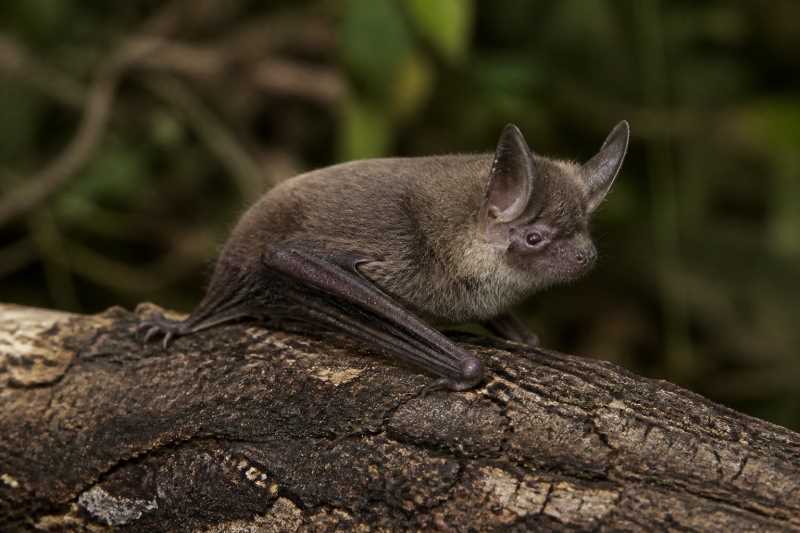
The Pygmy Long-eared Bat is characterized by its notably small stature, with a body length typically ranging from 40 to 50 millimeters and a wingspan of approximately 250 millimeters. Weighing in at around 4 to 6 grams, it is among the smallest bats within its genus. The species exhibits a soft, dense fur that varies in color from a light brown to a darker, chocolate hue, which provides it with excellent camouflage against the bark of trees and other natural surfaces.
One of the most distinctive features of the Pygmy Long-eared Bat is its disproportionately long ears, which can extend up to 25 millimeters, nearly half the length of its body. These elongated ears are not just for aesthetic appeal; they play a vital role in the bat’s echolocation abilities, allowing it to detect insect prey with remarkable precision. The ears are flexible and can be folded back when the bat is at rest.
Range and Habitat
The Pygmy Long-eared Bat is native to Australia, with its range primarily concentrated in the northern regions of the continent. It inhabits a variety of environments, including tropical and subtropical forests, woodlands, and savannas. The species is particularly fond of areas with abundant tree cover, which provides ample roosting sites and a rich supply of insect prey.
Roosting habits of Nyctophilus walkeri are notably adaptable. These bats are known to take shelter in tree hollows, beneath peeling bark, and sometimes in man-made structures such as sheds and barns. Such flexibility in habitat choice allows them to thrive in diverse environmental conditions.
Behavior and Diet
The Pygmy Long-eared Bat is primarily nocturnal, engaging in foraging activities shortly after dusk. Its diet consists predominantly of insects, including moths, beetles, and other small arthropods. The bat employs a sophisticated form of echolocation to hunt, emitting high-frequency sound waves that bounce off objects and return as echoes, thus enabling it to pinpoint the location of its prey even in complete darkness.
Socially, the Pygmy Long-eared Bat is known to exhibit solitary tendencies, although it is not uncommon to find them roosting in small groups. During the breeding season, which typically occurs in the warmer months, males may become more territorial and aggressive, vying for the attention of females.
Identification Tips
Identifying the Pygmy Long-eared Bat in the field can be challenging due to its elusive nature and nocturnal habits. However, there are several cues that can aid in recognition:
- Ear Length: The most striking feature is the bat’s long ears, which are proportionally larger than those of most other bat species in its range.
- Size: Its small size, coupled with a wingspan of 250 millimeters, helps distinguish it from larger bat species.
- Flight Pattern: Observers may notice its erratic flight pattern, which is typical of bats using echolocation to hunt insects.
- Roosting Sites: Look for this species in areas with dense tree cover or structures that provide overhead shelter.
Conservation Status
Currently, the Pygmy Long-eared Bat is classified as a species of Least Concern by the International Union for Conservation of Nature (IUCN). However, it faces several threats that could impact its population if not addressed. Habitat loss due to deforestation and land development poses a significant risk, as does the use of pesticides, which reduces its insect prey.
Conservation efforts are focused on habitat preservation and the implementation of bat-friendly practices in forestry and agriculture. Protecting roosting sites and reducing pesticide use can go a long way in ensuring the survival of this species.
Frequently Asked Questions
1. Where can I find the Pygmy Long-eared Bat?
The Pygmy Long-eared Bat is primarily found in northern Australia, inhabiting tropical and subtropical forests, woodlands, and savannas. Look for them in areas with dense tree cover and ample insect prey.
2. What do Pygmy Long-eared Bats eat?
These bats have a diet that consists mainly of insects such as moths, beetles, and small arthropods, which they capture using echolocation.
3. How do Pygmy Long-eared Bats contribute to the ecosystem?
They play a vital role in controlling insect populations and are also important pollinators, helping to maintain the health of their natural habitats.
4. What are the main threats to the Pygmy Long-eared Bat?
The primary threats include habitat loss due to deforestation, land development, and the use of pesticides, which diminish their food sources.
5. How can we help conserve the Pygmy Long-eared Bat?
Conservation can be aided by protecting natural habitats, reducing pesticide usage, and supporting policies that promote the sustainable management of forests.
Related posts