Mountain Tube-nosed Fruit Bat (Nyctimene certans)
Introduction
The Mountain Tube-nosed Fruit Bat, scientifically known as Nyctimene certans, is a remarkable species of bat belonging to the Pteropodidae family. These bats, known for their distinctive tube-shaped noses, are an integral component of the ecosystems they inhabit. Their role in pollination and seed dispersal is crucial for maintaining the health and diversity of tropical forests. As we delve deeper into the life of this fascinating mammal, we will explore its physical characteristics, habitat preferences, behavior, and the challenges it faces in the wild.
Physical Description
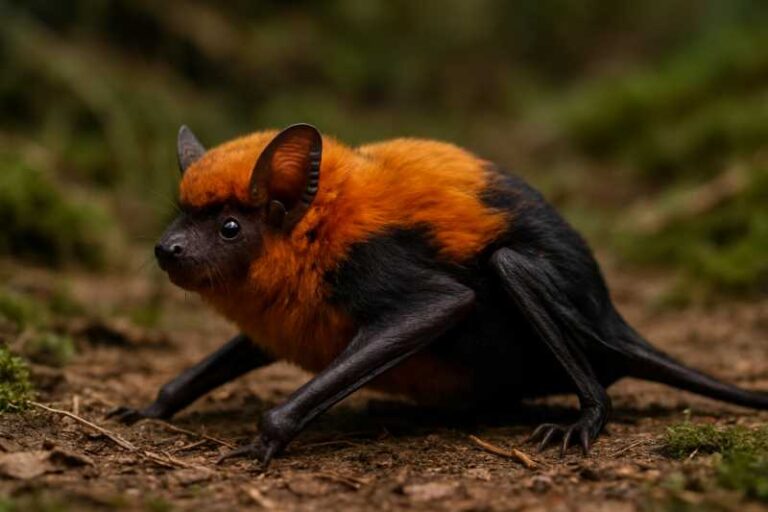
The Mountain Tube-nosed Fruit Bat is characterized by its unique facial structure, which includes protruding nostrils that resemble tubes. This feature is not just for show; it aids in their acute sense of smell, crucial for locating food sources. These bats have a wingspan ranging from 30 to 35 centimeters, allowing them to navigate the dense forest canopy with ease. Their fur is typically a muted brown or gray, providing excellent camouflage amidst the foliage. Sexual dimorphism is present, with males generally being slightly larger than females.
The bat’s eyes are relatively large, an adaptation that enhances their night vision, essential for nocturnal activities. Their ears, though not as prominent as those of echolocating bats, are still quite functional, aiding in communication and navigation through their environment. The combination of these physical traits makes the Mountain Tube-nosed Fruit Bat a unique and specialized frugivore.
Range and Habitat
Nyctimene certans is native to the montane forests of New Guinea, primarily found in regions at altitudes ranging from 1,000 to 2,500 meters. These bats prefer the cooler, moist environments provided by high-altitude forests, where they can find an abundance of fruiting trees which form their primary diet. The dense vegetation provides ample roosting sites and protection from predators.
Their habitat selection is influenced by the availability of food resources, particularly fruiting trees. These bats are known to inhabit both primary and secondary forests, demonstrating a level of adaptability to changes in their environment. However, habitat destruction poses a significant threat to their survival, as deforestation reduces the availability of both food and roosting sites.
Behavior and Diet
Mountain Tube-nosed Fruit Bats are primarily frugivorous, feeding on a variety of fruits, including figs, bananas, and other native plant species. Their diet plays a vital role in seed dispersal, contributing to the regeneration and spread of tropical forest flora. These bats are nocturnal, emerging at dusk to forage for food during the night.
Their social structure is relatively loose, often seen foraging alone or in small groups. Communication among these bats is facilitated through vocalizations and scent markings, with males often using scent to establish territory and attract females. During the day, they roost in tree canopies, avoiding predators and conserving energy.
Identification Tips
Identifying the Mountain Tube-nosed Fruit Bat in the field can be challenging due to its elusive nature and nocturnal habits. However, there are several distinctive features to look for:
- Tube-shaped Nostrils: The most prominent feature, these protrude from the face and are unique among bats.
- Large Eyes: Look for relatively large eyes that aid in low-light vision.
- Fur Coloration: Typically muted brown or gray, providing camouflage against tree bark.
- Wingspan: Measuring 30-35 cm, their wings are adapted for agile flight through forest canopies.
These identification cues can help researchers and enthusiasts alike spot and study these bats in their natural habitat.
Conservation Status
The Mountain Tube-nosed Fruit Bat is currently classified as Near Threatened by the IUCN Red List. The primary threats to its survival include habitat destruction due to logging, agricultural expansion, and human encroachment. As forests are cleared, these bats lose vital roosting and feeding sites, leading to population declines.
Conservation efforts are essential to protect this species. Initiatives such as habitat preservation, reforestation projects, and environmental education programs aim to mitigate the impacts of human activities. Legal protections are also in place in some regions to restrict deforestation and protect critical habitats.
Frequently Asked Questions
What is the primary diet of the Mountain Tube-nosed Fruit Bat?
The Mountain Tube-nosed Fruit Bat primarily feeds on fruits such as figs and bananas. Their frugivorous diet plays a crucial role in seed dispersal, supporting forest regeneration.
How can you identify a Mountain Tube-nosed Fruit Bat?
Identifying this bat involves looking for its distinctive tube-shaped nostrils, large eyes, and muted brown or gray fur. These features, along with its wingspan, help in recognition.
What threats does the Mountain Tube-nosed Fruit Bat face?
The primary threats include habitat destruction due to deforestation and agricultural expansion. These activities reduce the availability of food and roosting sites.
What conservation efforts are in place for the Mountain Tube-nosed Fruit Bat?
Conservation efforts include habitat preservation, reforestation projects, legal protections, and environmental education to raise awareness about the species and its ecological importance.
Where can the Mountain Tube-nosed Fruit Bat be found?
This species is native to the montane forests of New Guinea, typically inhabiting altitudes between 1,000 and 2,500 meters, where they thrive in cool, moist environments.
Related posts