Introduction
The Central Australian Rock Rat, scientifically known as Zyzomys pedunculatus, is a remarkable species of rodent that epitomizes the rugged beauty and delicate balance of Australia’s central desert ecosystems. Often referred to as the ‘Brushtail Rock Rat,’ this elusive mammal has captivated scientists and nature enthusiasts alike with its unique adaptations and intriguing lifestyle. Despite its seemingly inhospitable habitat, the Central Australian Rock Rat thrives in the rocky outcrops and spinifex grasslands of the region, demonstrating an exemplary case of evolutionary adaptation. This article aims to shed light on the fascinating aspects of the Central Australian Rock Rat, from its physical attributes and behavioral patterns to its conservation status and the ongoing efforts to protect this vulnerable species.
Physical Description
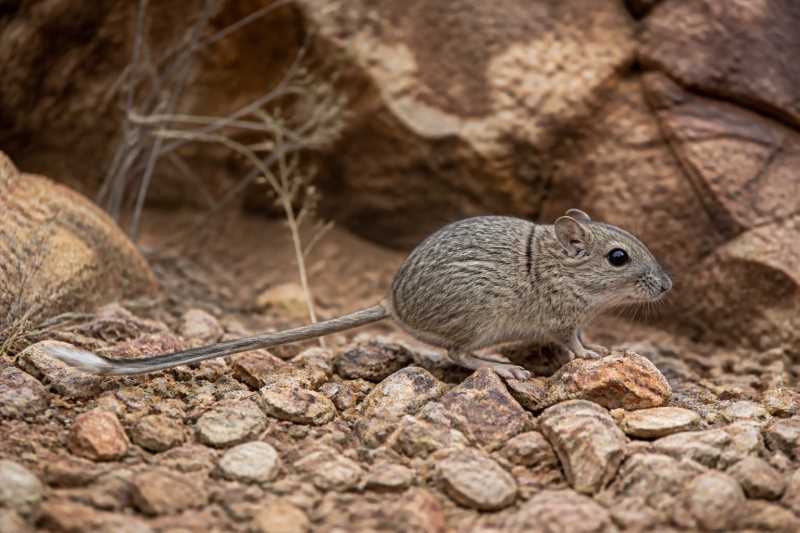
The Central Australian Rock Rat is a small to medium-sized rodent characterized by its robust build and distinctive features. Adults typically weigh between 70 to 120 grams and measure approximately 150 to 170 millimeters in body length, with a tail length of around 140 to 160 millimeters. Their fur is dense and soft, offering an excellent insulative layer against the temperature extremes of their habitat. The dorsal fur is usually a mottled mix of grays and browns, providing effective camouflage against the rocky terrain, while the ventral side is lighter, often creamy white.
One of the most striking features of the Central Australian Rock Rat is its tail, which is not only long but also covered in bushy hair, earning it the nickname ‘Brushtail Rock Rat.’ This tail is not just for show; it plays a crucial role in balance and agility as the rodent navigates its rocky environment. The feet of this species are relatively large with well-developed pads, which enhance their climbing abilities and grip on uneven surfaces.
Range and Habitat
The Central Australian Rock Rat is endemic to Australia, with its range primarily confined to the arid central regions. Historically, the species was more widespread, but its distribution has become highly fragmented due to various environmental pressures. Today, significant populations can be found in specific locales such as the MacDonnell Ranges in the Northern Territory.
Their preferred habitat consists of rocky outcrops and escarpments interspersed with spinifex grasslands. These environments provide not only shelter from predators but also a diverse array of food sources. The rock crevices and boulder-strewn landscapes offer ideal nesting sites, while the surrounding vegetation supports a rich community of insects and seeds that form the basis of their diet.
Behavior and Diet
Central Australian Rock Rats are primarily nocturnal, venturing out during the cooler night hours to forage and socialize. They exhibit a solitary lifestyle, although overlapping ranges may lead to occasional interactions. These rodents are highly agile and adept climbers, often seen scampering effortlessly over rocks and through dense spinifex clumps.
Their diet is omnivorous, consisting mainly of seeds, fruits, and insects. The availability of food is often dictated by seasonal variations, with the rats demonstrating remarkable adaptability in their dietary habits to cope with the harsh desert conditions. During periods of food scarcity, they are known to rely on their fat reserves, a crucial survival strategy in the unpredictable arid ecosystem.
Identification Tips (Field Recognition Cues)
Identifying the Central Australian Rock Rat in the field requires keen observation, given its elusive nature and the challenging terrain it inhabits. Here are some tips for recognizing this species:
- Tail Appearance: Look for a long, bushy tail that is distinctly furred, a key distinguishing feature of the Central Australian Rock Rat.
- Fur Coloration: Observe the mottled gray and brown dorsal fur, which blends seamlessly with the rocky environment.
- Behavior: Note their agile movement across rocks and through vegetation, often seen during dusk and dawn.
- Habitat: Focus on rocky outcrops and spinifex grasslands within their known range, as these are their preferred habitats.
Conservation Status (with Threats and Protections)
The Central Australian Rock Rat is listed as ‘Vulnerable’ on the IUCN Red List, highlighting the pressing need for conservation efforts. The primary threats to this species include habitat destruction due to mining activities, predation by introduced species such as feral cats and foxes, and the impacts of climate change, which exacerbate food scarcity and alter habitat conditions.
Conservation measures are underway to safeguard the future of the Central Australian Rock Rat. Protected areas like national parks offer some refuge, while targeted predator control programs aim to reduce the impact of invasive species. Additionally, ongoing research and monitoring efforts are crucial to understanding the ecological needs of this species and implementing effective conservation strategies.
Frequently Asked Questions
1. What is the Central Australian Rock Rat’s natural habitat? The Central Australian Rock Rat inhabits rocky outcrops and spinifex grasslands in central Australia, particularly within the MacDonnell Ranges.
2. Why is the Central Australian Rock Rat considered vulnerable? The species is vulnerable due to habitat destruction, predation by non-native species, and climate change impacts affecting food availability.
3. How can you identify a Central Australian Rock Rat? Look for a long bushy tail, mottled gray and brown fur, and observe their agile movements in rocky and grassy habitats.
4. What do Central Australian Rock Rats eat? Their diet is omnivorous, including seeds, fruits, and insects, adapting to food availability in their arid habitat.
5. Are there conservation efforts for the Central Australian Rock Rat? Yes, efforts include habitat protection, predator control programs, and ongoing research to support their conservation.
Related posts