Eastern Woolly Lemur (Avahi laniger): A Comprehensive Guide
Introduction
The Eastern Woolly Lemur, scientifically known as Avahi laniger, is a unique primate species native to the lush forests of Madagascar. Known for its nocturnal lifestyle and distinctive woolly appearance, this lemur plays a crucial role in its ecosystem. As Madagascar’s biodiversity faces increasing threats, understanding and protecting the Eastern Woolly Lemur has become a priority for conservationists worldwide.
Physical Description
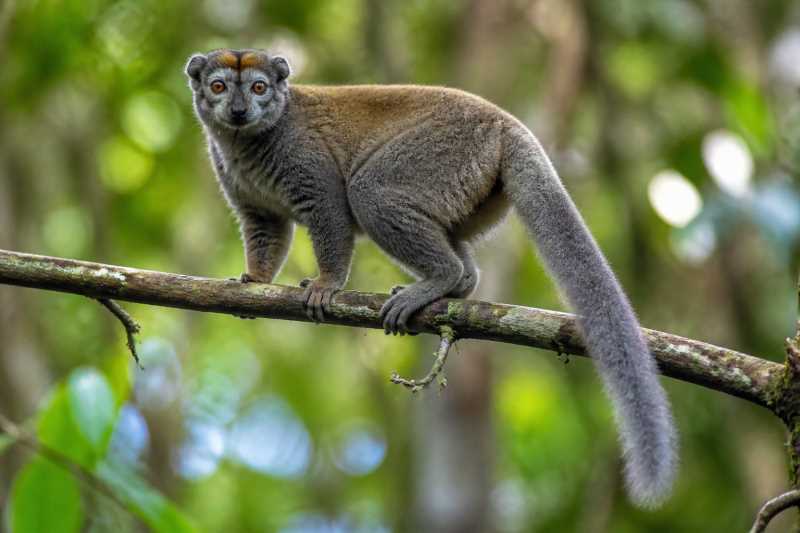
The Eastern Woolly Lemur is a small, nocturnal primate characterized by its dense, woolly fur that ranges from gray to reddish-brown. Adults typically weigh between 1 and 1.3 kilograms (2.2 to 2.9 pounds) and measure about 30 to 40 centimeters (12 to 16 inches) in length, excluding their bushy tails that can be as long as their bodies. Their large, round eyes are adapted for night vision, allowing them to navigate the dark forests with ease. The lemur’s ears are small and often hidden within its thick fur, while its long hind limbs are adapted for vertical clinging and leaping among trees.
Range and Habitat
The Eastern Woolly Lemur is found exclusively in Madagascar, predominantly in the eastern rainforests that stretch along the island’s eastern coast. These lemurs inhabit primary and secondary forests, thriving in areas with dense canopy cover and abundant foliage, which provide both food and shelter. The altitudinal range of these lemurs spans from sea level up to 1,600 meters (5,249 feet), though they are most commonly found in lowland and mid-altitude forests.
Behavior and Diet
Eastern Woolly Lemurs are nocturnal and arboreal, spending most of their lives in trees. They are social animals, typically living in small family groups consisting of a monogamous pair and their offspring. Communication among group members is facilitated through vocalizations, scent marking, and body language.
Their diet is primarily folivorous, consisting mainly of leaves, which are complemented by flowers, fruits, and occasionally bark. The lemurs have a specialized digestive system to process fibrous plant material, including a large cecum for fermenting leaves, allowing them to extract necessary nutrients.
Identification Tips (field recognition cues)
Identifying the Eastern Woolly Lemur in its natural habitat involves recognizing several key features:
- Woolly Fur: Look for the dense, woolly fur that gives the lemur its name, which is typically gray or reddish-brown.
- Large Eyes: Notice the large, round eyes that are well-adapted for night vision.
- Bushy Tail: The bushy tail often matches the body in length and is used for balance.
- Vocalizations: Listen for their distinctive calls, which include a variety of grunts and high-pitched whistles, especially at night.
- Leaping Movement: Observe their vertical clinging and leaping locomotion, which is characteristic of their arboreal lifestyle.
Conservation Status (with threats and protections)
The International Union for Conservation of Nature (IUCN) currently lists the Eastern Woolly Lemur as "Least Concern," but its populations are declining. The primary threats include habitat destruction due to slash-and-burn agriculture, illegal logging, and charcoal production. Hunting for bushmeat also poses a significant threat.
Efforts to protect the Eastern Woolly Lemur involve:
- Protected Areas: Establishing and managing protected areas within their range.
- Reforestation Projects: Initiatives to restore and connect fragmented habitats.
- Community Education: Programs aimed at raising awareness about the importance of lemurs and sustainable land use practices.
- Research and Monitoring: Ongoing studies to monitor population trends and ecological requirements.
Frequently Asked Questions
What do Eastern Woolly Lemurs eat?
Eastern Woolly Lemurs primarily feed on leaves, supplemented by flowers, fruits, and occasionally bark. Their specialized digestive system allows them to extract nutrients from fibrous plant material.
How do Eastern Woolly Lemurs communicate?
These lemurs communicate through a combination of vocalizations, such as grunts and whistles, as well as scent marking and body language.
What is the natural habitat of the Eastern Woolly Lemur?
The natural habitat of the Eastern Woolly Lemur includes the eastern rainforests of Madagascar, where they thrive in areas with dense canopy cover and abundant foliage.
Why are Eastern Woolly Lemurs important to their ecosystem?
Eastern Woolly Lemurs play a critical role in their ecosystem by aiding in seed dispersal and maintaining forest health, which supports biodiversity.
What are the main threats to Eastern Woolly Lemurs?
The main threats include habitat destruction from agriculture and logging, as well as hunting for bushmeat. Conservation efforts focus on habitat protection and community education.
Related posts