Introduction
Cassin’s Finch (Haemorhous cassinii) is a captivating bird species that adds a splash of color and melody to the coniferous forests of North America. Named after the renowned ornithologist John Cassin, this finch is not only a delight to bird watchers but also an important player in its ecosystem. In this article, we will delve into the various aspects of Cassin’s Finch, exploring its physical characteristics, habitat preferences, diet, behavior, breeding habits, and conservation status.
Physical Characteristics
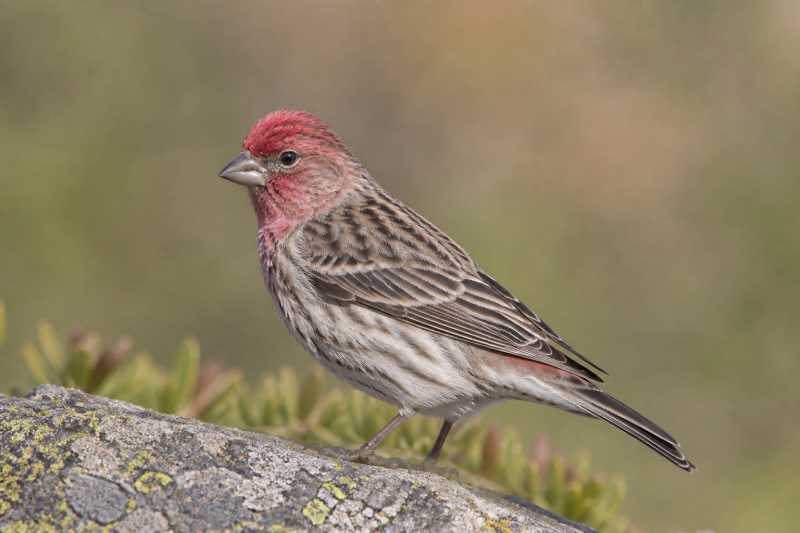
Cassin’s Finch is a medium-sized songbird, measuring about 6 inches in length with a wingspan of approximately 10 inches. The male Cassin’s Finch is easily recognizable by its bright red crown, which extends down to the nape and upper breast. Its back and wings feature a brownish color with streaks, while the underparts are paler with faint streaking. In contrast, the female and juvenile finches are more subdued, displaying a streaked brown appearance, which provides excellent camouflage in their natural habitat.
The bill of Cassin’s Finch is conical and stout, well-suited for their seed-based diet. Their plumage, while not as vibrant as some other finch species, serves as an effective adaptation for blending into the forested environments they inhabit.
Habitat and Distribution
Cassin’s Finch primarily inhabits the montane coniferous forests of western North America. Their range extends from southern British Columbia and Alberta in Canada through the western United States to parts of northern Mexico. They are particularly associated with high-altitude forests dominated by pines, firs, and spruces.
During the breeding season, Cassin’s Finches are typically found at elevations ranging from 3,000 to 10,000 feet. However, they migrate to lower elevations and more open habitats during the winter months, often forming mixed flocks with other finch species.
Diet and Foraging Behavior
The diet of Cassin’s Finch is predominantly composed of seeds, particularly those of coniferous trees like pines and firs. They possess a specialized bill that allows them to efficiently extract seeds from cones. In addition to seeds, their diet includes buds, berries, and insects, especially during the breeding season when protein demands are higher.
Cassin’s Finches are known for their opportunistic foraging behavior. They can often be seen foraging in flocks, moving from tree to tree in search of food. Their ability to exploit different food sources enables them to thrive in various environments, even during periods of food scarcity.
Behavior and Social Structure
Cassin’s Finches are social birds, often observed in flocks outside the breeding season. These flocks can include hundreds of individuals, sometimes mixed with other finch species such as Pine Siskins and Red Crossbills. This social behavior not only aids in locating food resources but also provides protection from predators.
The song of Cassin’s Finch is a melodious and varied repertoire of warbles, trills, and whistles. Males are particularly vocal during the breeding season as they establish and defend their territories. Their song plays a crucial role in attracting mates and deterring rivals.
Breeding and Nesting
The breeding season for Cassin’s Finch typically begins in late spring and extends through the summer. Males establish territories and engage in courtship displays to attract females. Once a pair bond is formed, the female selects a nesting site, usually in a coniferous tree, and constructs a cup-shaped nest made from twigs, grass, and other plant materials.
Females lay a clutch of 3 to 5 eggs, which are incubated for about two weeks. During this period, the male provides food for the female. Once the eggs hatch, both parents share the responsibility of feeding the chicks. The young fledge approximately two weeks after hatching but remain dependent on their parents for food for several more weeks.
Conservation Status
Cassin’s Finch is currently listed as a species of "Least Concern" by the International Union for Conservation of Nature (IUCN). However, like many bird species, they are facing threats from habitat loss and climate change, which can impact their breeding and foraging habitats.
Conservation efforts for Cassin’s Finch primarily focus on preserving their natural habitats, particularly the coniferous forests they rely on for breeding and foraging. Monitoring population trends and understanding the impacts of environmental changes are crucial steps in ensuring the long-term survival of this species.
Conclusion
Cassin’s Finch is a remarkable bird species with a range of fascinating behaviors and adaptations that allow it to thrive in the challenging environments of North America’s mountain forests. Its vibrant presence and melodious songs enrich the ecosystems they inhabit, and they serve as an important indicator of forest health. By continuing to study and protect these birds and their habitats, we can help ensure that future generations can enjoy the beauty and biodiversity they represent.
Related posts