Introduction
The San Javier’s Pygmy Rice Rat, scientifically known as Oligoryzomys brendae, is a remarkable rodent species belonging to the family Cricetidae. Discovered relatively recently, this small mammal has captured the attention of researchers and biologists due to its unique characteristics and ecological significance. As a native species to South America, specifically found in Bolivia, the San Javier’s Pygmy Rice Rat plays a crucial role in its ecosystem and continues to be the subject of numerous studies aimed at understanding its behavior, habitat preferences, and conservation needs.
Physical Description
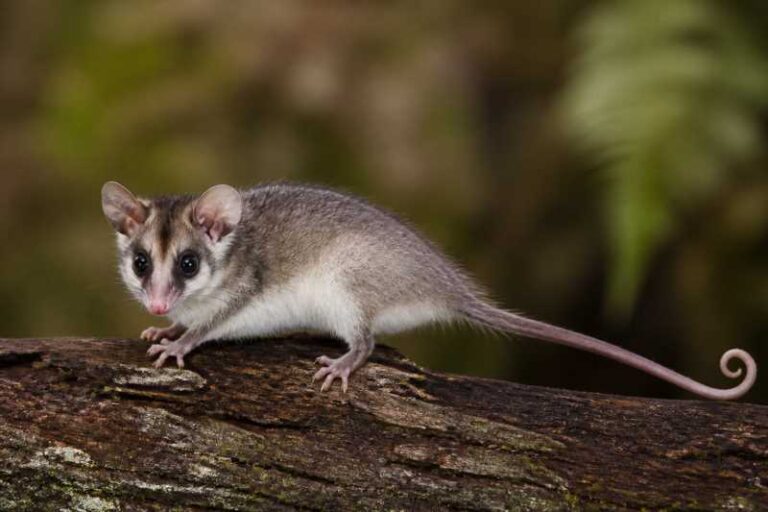
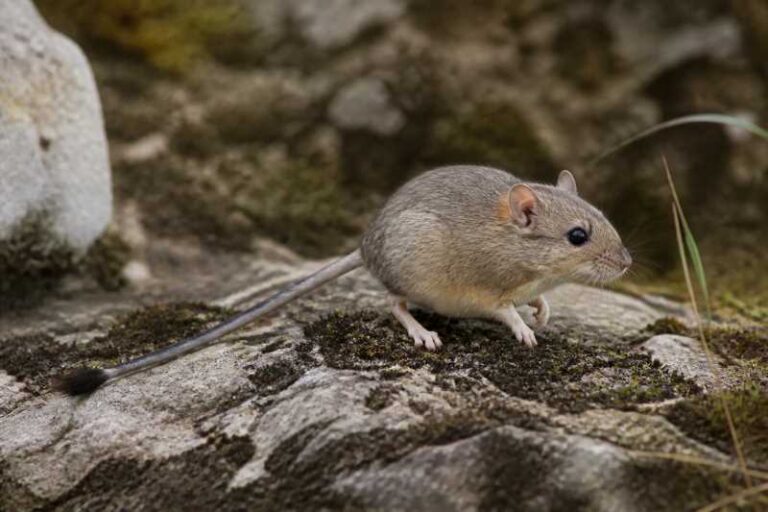
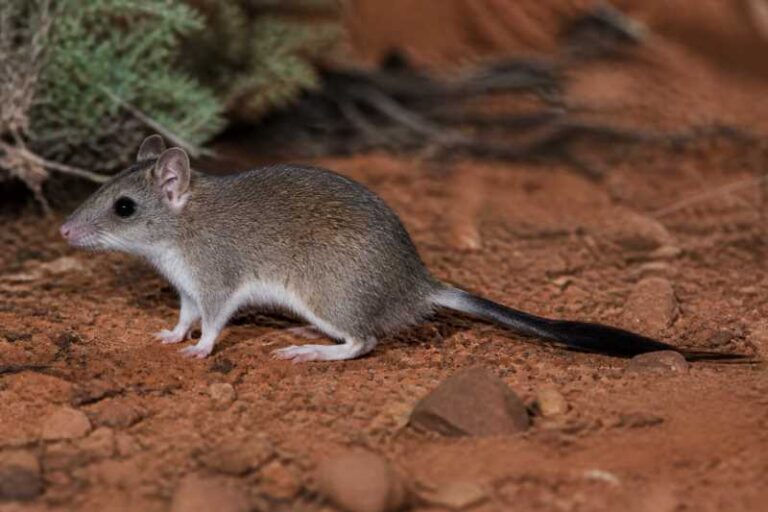
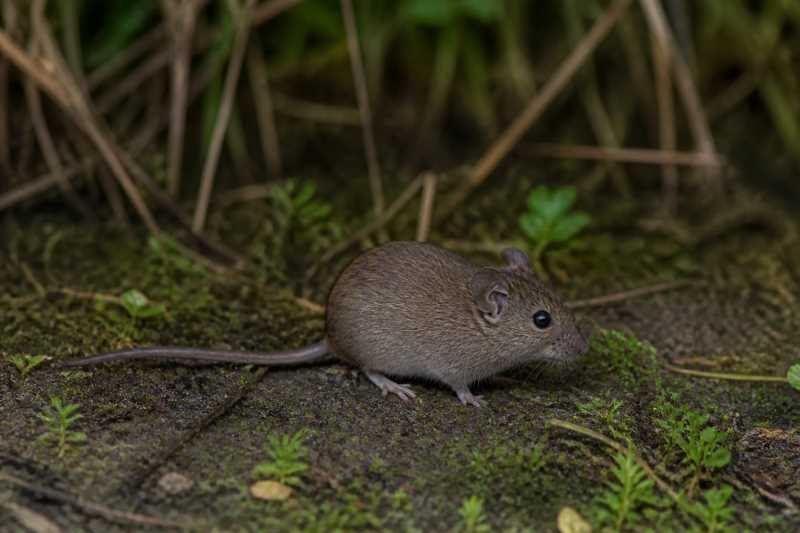
The San Javier’s Pygmy Rice Rat is distinguished by its diminutive size and delicate features. Typically, adults measure between 10 to 12 centimeters in body length, with a tail that often equals or slightly exceeds the body length, adding another 10 to 12 centimeters. This tail is not only crucial for balance but also aids in its arboreal lifestyle.
The fur of the San Javier’s Pygmy Rice Rat is soft and dense, providing excellent insulation. Its dorsal side exhibits a light brown to grayish hue, which helps it blend seamlessly into its natural surroundings. The ventral side, in contrast, is usually lighter, often appearing white or cream-colored. This counter-shading is a common adaptation for animals needing camouflage from both aerial and terrestrial predators.
One of the most striking features of the San Javier’s Pygmy Rice Rat is its large eyes, which are well-adapted for nocturnal activity. Its whiskers are also notably long and sensitive, aiding in navigation and environmental awareness. The ears are relatively large and rounded, enhancing its auditory capabilities, which are essential for detecting predators and communicating with other rice rats.
Range and Habitat
The San Javier’s Pygmy Rice Rat is endemic to Bolivia, with its range primarily concentrated in the forested areas of the San Javier region. This species thrives in humid, tropical lowland forests where dense vegetation provides ample cover and food sources. The presence of a water body is often a critical factor in habitat selection, as these rodents are adept swimmers and require regular access to water.
Forests with a dense understory and a variety of low shrubs and trees are preferred, ensuring both protection from predators and the availability of fruits, seeds, and insects. The habitat’s complexity supports not only feeding but also nesting and rearing young, as the dense foliage offers numerous crevices and nesting sites.
Behavior and Diet
San Javier’s Pygmy Rice Rats are primarily nocturnal, which means their activity peaks during the night. This nocturnal lifestyle is an evolutionary adaptation to avoid diurnal predators and the heat of the day. They are solitary creatures, with interactions primarily occurring during the breeding season or when defending territory.
Their diet is omnivorous, consisting mainly of seeds, fruits, insects, and small invertebrates. This dietary flexibility allows them to adapt to varying food availability, which is crucial in the dynamic environments of tropical forests. Foraging often takes place on the ground, although they are equally adept at climbing trees and shrubs in search of food.
Identification Tips (Field Recognition Cues)
Identifying the San Javier’s Pygmy Rice Rat in the wild requires keen observation and an understanding of its distinctive features. Here are some field recognition cues:
- Size and Shape: Look for a small rodent with a body length of 10-12 cm and an equally long tail.
- Fur Coloration: Note the light brown to grayish dorsal fur and the contrasting white or cream underside.
- Eye and Ear Size: Large, round eyes and prominent ears that are adapted for nocturnal life.
- Whisker Length: Long whiskers are indicative of this species, aiding in its environmental navigation.
- Habitat Preference: Look in dense, tropical lowland forests near water sources.
Conservation Status (with Threats and Protections)
Currently, the San Javier’s Pygmy Rice Rat is not extensively studied, and as such, its conservation status is not well-documented by major conservation bodies like the IUCN. However, it is likely subject to the same threats that impact many forest-dwelling species in South America.
Threats
- Habitat Destruction: Deforestation for agriculture and logging poses the most significant threat, leading to habitat fragmentation and loss.
- Climate Change: Alterations in rainfall patterns and temperature can affect forest ecosystems, impacting food availability and habitat conditions.
- Predation: Natural predators include birds of prey, snakes, and larger mammals, which can impact population numbers.
Protections
Efforts to protect tropical forests in Bolivia indirectly benefit the San Javier’s Pygmy Rice Rat. Establishing protected areas and promoting sustainable land use practices are crucial steps in conserving its habitat. Further research is needed to understand its population dynamics and develop targeted conservation strategies.
Frequently Asked Questions
What is the primary diet of the San Javier’s Pygmy Rice Rat?
The San Javier’s Pygmy Rice Rat is omnivorous, feeding on a variety of seeds, fruits, insects, and small invertebrates. Its diet reflects the abundant resources of its tropical forest habitat.
How does the San Javier’s Pygmy Rice Rat adapt to its environment?
This species has several adaptations, including nocturnal behavior to avoid predators, excellent climbing skills, and a varied diet that allows it to exploit different food sources. Its coloration also provides camouflage in the dense forest.
What are the main threats to the San Javier’s Pygmy Rice Rat?
The primary threats include habitat destruction due to deforestation, climate change impacting its environment, and predation by natural enemies like snakes and birds of prey.
How can I identify a San Javier’s Pygmy Rice Rat in the wild?
Look for a small rodent with a body length of 10-12 cm, light brown to grayish fur, large eyes and ears, and long whiskers. They are typically found in dense, tropical lowland forests near water.
Is the San Javier’s Pygmy Rice Rat a protected species?
While there is no specific protection status for the San Javier’s Pygmy Rice Rat, conservation efforts aimed at preserving tropical forests in Bolivia help protect its habitat. More research is needed to establish targeted protection measures.
Related posts