Introduction
The Striped Hog-nosed Skunk, scientifically known as Conepatus semistriatus, is a fascinating mammal species that belongs to the Mephitidae family. This particular skunk is distinguished by its unique appearance and distinctive behaviors. Native to a range of habitats in Central and South America, the Striped Hog-nosed Skunk plays a significant role in the ecosystem, acting as both a predator and prey species. This article delves into the various aspects of the Striped Hog-nosed Skunk, including its physical characteristics, habitat preferences, behavioral patterns, and conservation status.
Physical Description
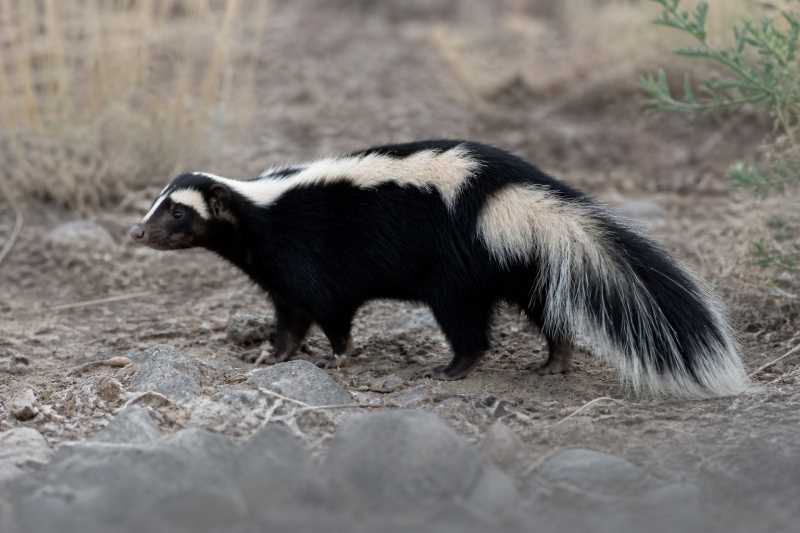
The Striped Hog-nosed Skunk is a medium-sized mammal, characterized by its robust body and distinctive snout. Typically, this skunk measures between 44 to 93 centimeters in length, including its bushy tail, which can be approximately 19 to 29 centimeters long. The average weight of an adult ranges from 1.5 to 4 kilograms. Its most striking feature is the elongated, pig-like snout that it uses to forage for food. The fur is predominantly black, adorned with a prominent white stripe that runs from the top of the head down to the base of the tail, sometimes splitting into two thinner stripes along the back. This bold coloration serves as a warning to potential predators about its formidable defense mechanism.
Range and Habitat
The Striped Hog-nosed Skunk is native to a broad range extending from southern Mexico through Central America to northern regions of South America, including Colombia, Venezuela, and Ecuador. This skunk species is highly adaptable, thriving in a variety of habitats such as tropical forests, savannas, grasslands, and even semi-arid regions. It is often found in areas with abundant ground cover, which provides shelter and ample foraging opportunities. The Striped Hog-nosed Skunk is a nocturnal creature, preferring to stay hidden during the day and becoming active at night when it forages for food.
Behavior and Diet
The behavior of the Striped Hog-nosed Skunk is both intriguing and complex. Primarily nocturnal, these skunks spend their nights foraging for food and their days resting in burrows or dense vegetation. They are solitary animals, only coming together during mating season or when a mother is raising her young. The diet of the Striped Hog-nosed Skunk is omnivorous, consisting of a wide range of foods including insects, small mammals, birds, fruits, and vegetation. Their keen sense of smell aids in locating food, especially insects and larvae hidden in the ground.
Identification Tips (field recognition cues)
Identifying the Striped Hog-nosed Skunk in the wild can be a rewarding experience for wildlife enthusiasts. Key identification tips include:
- Distinctive Snout: Look for the elongated, pig-like snout, which is a unique feature among skunks.
- Coloration: Observe the black body with a prominent white stripe running from the head to the tail.
- Size: Note the medium size, with a body length of 44 to 93 cm, including the tail.
- Behavior: Watch for nocturnal activity and typical skunk behavior such as digging for food.
Conservation Status (with threats and protections)
Currently, the Striped Hog-nosed Skunk is listed as Least Concern by the IUCN Red List, indicating that it is not at immediate risk of extinction. However, this does not mean the species faces no threats. Habitat destruction due to agriculture, urbanization, and deforestation poses a significant challenge to their populations. Additionally, skunks are often victims of road mortality and are sometimes persecuted by humans due to their odor. Conservation efforts focus on habitat preservation and reducing human-wildlife conflict to ensure the survival of this unique species.
Frequently Asked Questions
What is the primary habitat of the Striped Hog-nosed Skunk?
The Striped Hog-nosed Skunk primarily inhabits tropical forests, savannas, and grasslands in Central and South America, with a preference for areas that provide ample ground cover.
How does the Striped Hog-nosed Skunk defend itself from predators?
When threatened, the Striped Hog-nosed Skunk can spray a foul-smelling liquid from its anal glands, which deters most predators and provides an effective defense mechanism.
What do Striped Hog-nosed Skunks eat?
Their diet is omnivorous and includes insects, small mammals, birds, fruits, and various types of vegetation, often located using their keen sense of smell.
Are Striped Hog-nosed Skunks solitary animals?
Yes, they are generally solitary, coming together only during mating season or when a mother is raising her young.
Is the Striped Hog-nosed Skunk endangered?
No, the Striped Hog-nosed Skunk is currently listed as Least Concern by the IUCN, though habitat destruction remains a threat.
Related posts