Introduction
The Blue Monkey, scientifically known as Cercopithecus mitis, is a captivating primate species renowned for its unique coloration and intriguing social behaviors. This Old World monkey is part of the Cercopithecidae family and inhabits various regions across sub-Saharan Africa. Despite its name, the Blue Monkey does not display a distinctly blue hue but rather exhibits subtle blue-gray shades that contribute to its ethereal allure. In this comprehensive article, we will explore the many facets of the Blue Monkey, including its physical characteristics, habitat preferences, social structure, and conservation status.
Physical Description
The Blue Monkey is a medium-sized primate species, with adult individuals typically measuring between 50 to 65 centimeters in body length, excluding the tail, which can add another 70 to 100 centimeters. Males are generally larger than females, with body weights ranging from 8 to 15 kilograms, compared to females, which weigh between 4 to 8 kilograms.
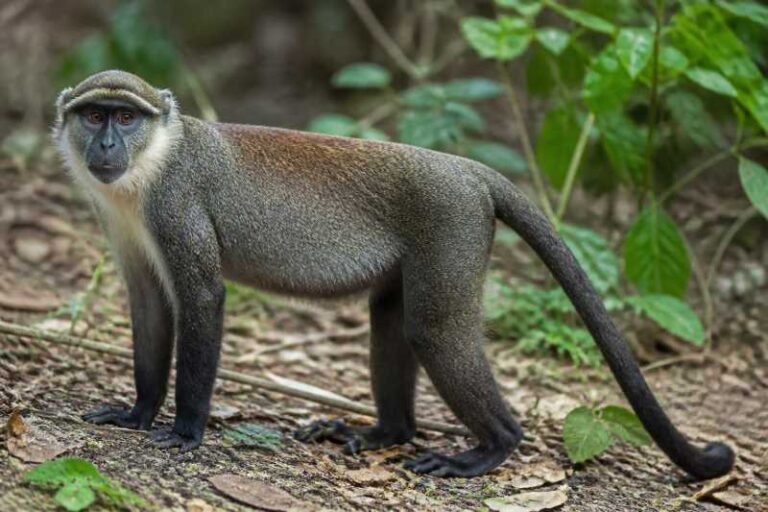
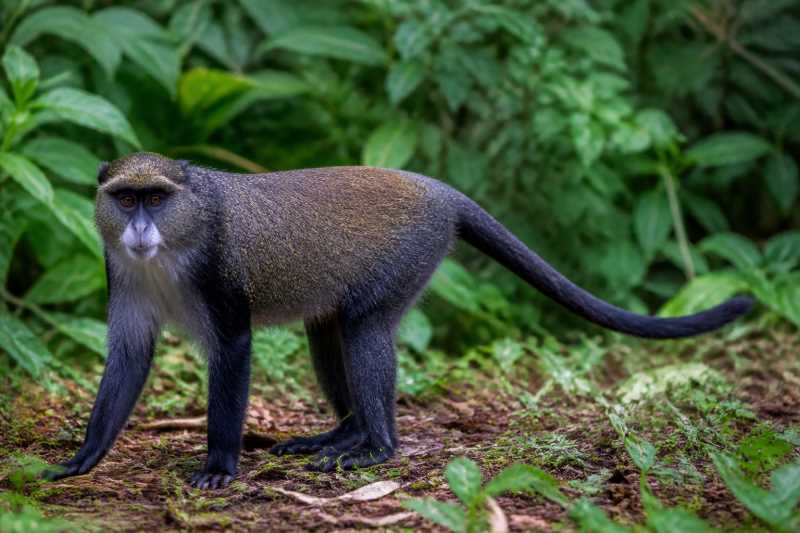
The Blue Monkey’s fur is predominantly grayish-blue, although the intensity of this coloration can vary among subspecies and individuals. The name "Blue Monkey" is somewhat misleading, as the blue hue is subtle and most evident in the light reflection of their fur. The face of the Blue Monkey is characterized by a dark, almost black mask that contrasts sharply with the lighter fur on the body. The cheeks and throat often exhibit white or light gray fur, adding to their striking facial appearance.
A notable feature of the Blue Monkey is its long tail, which is not prehensile but aids in balance and agility. The tail is typically darker than the body, with some individuals displaying a white or lighter tip.
Range and Habitat
The Blue Monkey is widely distributed across Central and East Africa, with its range extending from southern Ethiopia and Somalia through Kenya, Tanzania, Uganda, and into the Democratic Republic of the Congo. This species thrives in a variety of forested environments, including montane forests, bamboo forests, and moist evergreen forests. They are also found in gallery forests along rivers and in secondary forests that have regrown after human disturbance.
Blue Monkeys prefer densely vegetated areas that offer ample cover and abundant food resources. They are predominantly arboreal, spending the majority of their lives in the forest canopy. While they are adaptable to different forest types, their presence is closely linked to areas with high fruit availability, which is a staple in their diet.
Behavior and Diet
Blue Monkeys exhibit complex social structures, typically forming groups of 10 to 40 individuals. These groups are matriarchal, consisting of adult females and their offspring, with a single adult male serving as the group’s leader and protector. Occasionally, groups may merge temporarily to form larger aggregations, especially in areas with abundant food.
Communication within Blue Monkey groups involves a variety of vocalizations, facial expressions, and body postures. Alarm calls play a crucial role in alerting group members to potential threats, such as predators or rival groups.
The diet of the Blue Monkey primarily consists of fruits, which make up about 50% of their intake. However, they are also known to consume leaves, flowers, seeds, and small invertebrates. Their foraging behavior is largely influenced by seasonal availability, with a preference for ripe fruits when available.
Identification Tips (Field Recognition Cues)
Identifying the Blue Monkey in the field requires attention to several key features:
- Coloration: Look for the distinctive grayish-blue fur with a dark face mask and lighter cheeks and throat.
- Tail: Observe the long, non-prehensile tail, which is darker than the body, often with a lighter tip.
- Size and Shape: Note the medium size and slender build, with long limbs adapted for arboreal life.
- Vocalizations: Listen for their characteristic calls, which include a variety of chirps, grunts, and alarm calls.
- Habitat: Focus on densely vegetated forest areas, especially those with abundant fruiting trees.
Conservation Status (with Threats and Protections)
The Blue Monkey is currently classified as Least Concern on the IUCN Red List. However, like many primates, they face several threats that could impact their populations in the future. Habitat destruction due to logging, agricultural expansion, and human settlement poses the greatest risk to their survival. In some regions, they are also hunted for bushmeat, although this is less prevalent compared to other primate species.
Conservation efforts for the Blue Monkey include habitat protection, such as the establishment and management of national parks and wildlife reserves in key areas of their range. Additionally, initiatives aimed at promoting sustainable agriculture and reducing human-wildlife conflict are vital for ensuring the long-term survival of this species.
Frequently Asked Questions
1. Where do Blue Monkeys live? Blue Monkeys are found in Central and East Africa, inhabiting montane, bamboo, and evergreen forests. They prefer areas with dense vegetation and abundant fruit.
2. What do Blue Monkeys eat? The diet of Blue Monkeys primarily consists of fruits, but they also consume leaves, flowers, seeds, and small invertebrates, adapting to seasonal food availability.
3. How do Blue Monkeys communicate? Blue Monkeys use a range of vocalizations, facial expressions, and body postures to communicate within their social groups, including alarm calls to warn of threats.
4. Are Blue Monkeys endangered? Currently, Blue Monkeys are classified as Least Concern, but they face threats from habitat destruction and hunting in some areas, necessitating conservation efforts.
5. How can I identify a Blue Monkey in the wild? Look for grayish-blue fur with a dark mask, long non-prehensile tail, medium size, and listen for their distinctive vocalizations in forested habitats.
Related posts