Introduction
The Malay Weasel (Mustela nudipes) is a fascinating yet relatively obscure member of the weasel family. This carnivorous mammal, part of the Mustelidae family, is known for its elusive nature and unique characteristics that distinguish it from other weasel species. Found primarily in Southeast Asia, the Malay weasel plays a crucial role in its ecosystem as both a predator and a prey species. This article aims to provide a comprehensive overview of the Malay weasel, covering everything from its physical attributes to its conservation status.
Physical Description
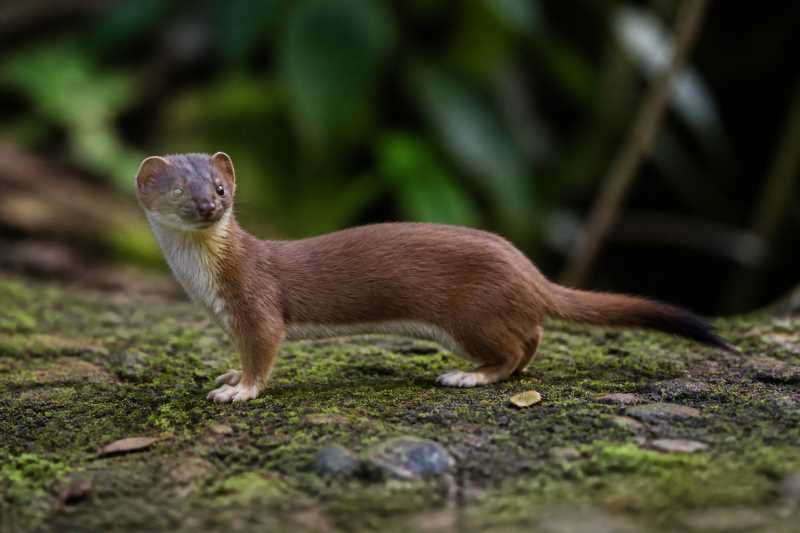
The Malay weasel is a medium-sized mustelid with a distinct appearance. It typically measures between 30 to 40 centimeters in length, with an additional tail length of approximately 20 to 25 centimeters. The species is known for its sleek, elongated body, which is well-suited for its predatory lifestyle. A notable feature of the Malay weasel is its fur, which ranges in color from light brown to reddish-orange, providing excellent camouflage in its natural habitat.
The face of the Malay weasel is marked by a short, pointed snout and relatively small, rounded ears. Its eyes are dark and alert, adapted for both daytime and nocturnal activities. The limbs are short and sturdy, equipped with sharp claws that are ideal for climbing and digging.
Range and Habitat
The Malay weasel is native to the tropical and subtropical forests of Southeast Asia, including countries such as Malaysia, Indonesia, Thailand, and Brunei. It is predominantly found in lowland regions but can also inhabit mountainous areas up to elevations of 1,500 meters. The species shows a preference for dense, humid forests, which provide ample cover and hunting opportunities.
In addition to primary forests, the Malay weasel can adapt to secondary and disturbed habitats, although such environments may expose it to increased threats and human contact. The presence of a reliable water source is often a crucial factor in habitat selection, supporting the weasel’s need for hydration and prey availability.
Behavior and Diet
As a carnivorous species, the Malay weasel has a diverse diet that primarily includes small mammals, birds, reptiles, and insects. Its hunting technique is characterized by stealth and agility, often stalking prey with a combination of speed and surprise. Malay weasels are also known to scavenge when opportunities arise, showcasing their adaptable feeding strategy.
The species is generally solitary, with individuals maintaining territories that they mark with scent glands. These territories are defended against intruders, particularly members of the same species. Malay weasels are mostly active during the early morning and late afternoon, although they can adapt their activity patterns based on environmental conditions and prey availability.
Identification Tips
Identifying a Malay weasel in the wild requires keen observation and knowledge of its distinct features. Here are some field recognition cues:
- Size and Shape: Look for a medium-sized, elongated body with a relatively long tail.
- Coloration: Note the reddish-orange to light brown fur, which can vary in shade but is typically consistent across the body.
- Facial Features: Observe the short, pointed snout and small, rounded ears.
- Behavior: Pay attention to its agile movements and solitary nature, often seen alone or in pairs.
Conservation Status
The conservation status of the Malay weasel is currently listed as "Least Concern" by the International Union for Conservation of Nature (IUCN). However, the species faces threats that could impact its population if not addressed. Habitat loss due to deforestation and land conversion for agriculture are significant challenges, reducing available habitats and food sources.
In some regions, Malay weasels are also threatened by hunting and trapping, both for their fur and due to their perceived threat to poultry. Conservation efforts focus on habitat preservation and the establishment of protected areas to secure the future of the species. Public awareness campaigns and legal protections are essential components of ongoing conservation strategies.
Frequently Asked Questions
Q1: What is the primary habitat of the Malay weasel? A: The Malay weasel primarily inhabits tropical and subtropical forests in Southeast Asia, preferring dense, humid environments, but it can also adapt to secondary forests.
Q2: Are Malay weasels dangerous to humans? A: Malay weasels are not considered dangerous to humans. They are elusive and tend to avoid human interaction, posing no significant threat.
Q3: How can I help in the conservation of Malay weasels? A: Supporting habitat preservation initiatives and promoting awareness about the species can contribute to its conservation. Avoiding products that contribute to deforestation also helps.
Q4: What do Malay weasels eat? A: Malay weasels are carnivorous, with a diet consisting of small mammals, birds, reptiles, and insects. They are also known to scavenge opportunistically.
Q5: Can Malay weasels be kept as pets? A: It is not advisable to keep Malay weasels as pets, as they are wild animals with specific ecological roles and habitat needs that cannot be met in captivity.
Related posts