Introduction
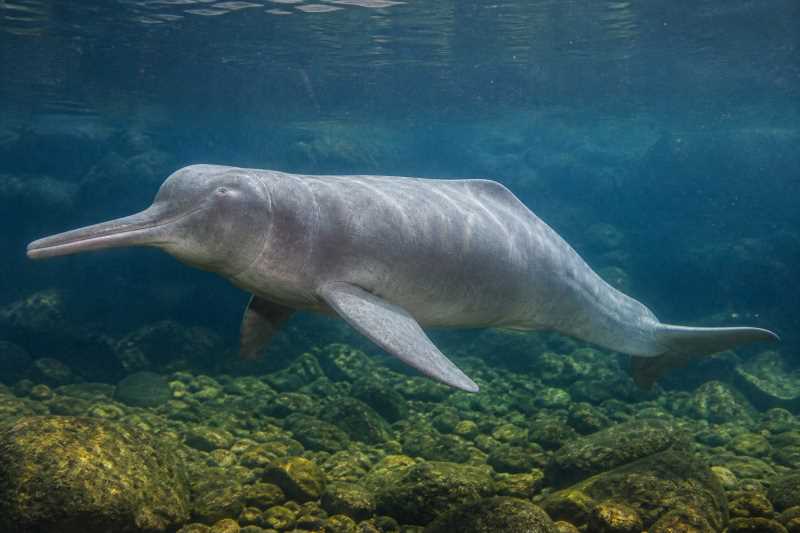
The Bolivian River Dolphin (Inia boliviensis), also known as the Boto, is a captivating freshwater mammal endemic to the upper Madeira River basin in Bolivia. This species, part of the family Iniidae, represents one of the few freshwater dolphins in the world, and its distinct characteristics and behaviors make it a fascinating subject of study for marine biologists and conservationists alike. The Bolivian River Dolphin is not just a symbol of Bolivia’s rich biodiversity but also a critical indicator of the health of the aquatic ecosystem in which it resides.
Physical Description
The Bolivian River Dolphin is a medium-sized cetacean, with adult males typically larger than females. They can reach lengths of up to 2.5 meters (8.2 feet) and weigh between 85 and 160 kilograms (187 to 353 pounds). One of their most distinctive features is their elongated beak, which is lined with conical teeth adapted for grasping prey. Their bodies are robust and flexible, allowing them to navigate the complex riverine environments they inhabit. The coloration of these dolphins varies, with younger individuals often exhibiting a grayish hue that transitions to a pinkish color as they mature. This pink coloration is more pronounced in males and is believed to be a result of scar tissue from intraspecific interactions.
Range and Habitat
Inia boliviensis is endemic to the upper Madeira River basin, primarily found in the Mamoré and Iténez rivers in Bolivia. These dolphins inhabit a variety of freshwater environments, including rivers, lakes, and flooded forests. During the rainy season, the dolphins take advantage of the expanded waterways, venturing into areas that are normally inaccessible. The seasonality of the river system significantly influences their habitat use, with water levels dictating their movement patterns and foraging strategies.
Behavior and Diet
Bolivian River Dolphins are known for their solitary nature, although they can occasionally be seen in small groups, particularly in areas with abundant food resources. They are slow swimmers, which is typical of river dolphins, allowing them to maneuver through the narrow and shallow waterways of their habitat. Their diet primarily consists of fish, which they hunt using echolocation—a sophisticated biological sonar system that allows them to detect prey even in the murky waters of the rivers. They are opportunistic feeders and may also consume crustaceans and small turtles.
Identification Tips
Field identification of the Bolivian River Dolphin can be challenging due to the similarity with other river dolphins, particularly the Amazon River Dolphin (Inia geoffrensis). However, there are key differences to note:
- Size: Bolivian River Dolphins tend to be smaller and stockier than their Amazonian counterparts.
- Coloration: The pink coloration is more subdued in Bolivian River Dolphins.
- Beak Shape: Their beak is shorter and stockier compared to other river dolphins.
- Habitat: They are restricted to the upper Madeira River basin, which can help in distinguishing them from other species.
Conservation Status
The Bolivian River Dolphin is currently listed as Endangered by the International Union for Conservation of Nature (IUCN). The primary threats to their survival include habitat destruction due to dam construction, pollution from agricultural runoff, and bycatch in fishing gear. Additionally, the reduction in prey availability due to overfishing poses a significant threat. Conservation efforts are underway, focusing on habitat protection, sustainable fishing practices, and education programs to raise awareness of the dolphin’s plight. Legal protections in Bolivia also aim to safeguard their habitats from industrial exploitation.
Frequently Asked Questions
1. What is the lifespan of a Bolivian River Dolphin? The average lifespan of a Bolivian River Dolphin in the wild is estimated to be around 30 years. However, this can vary depending on environmental conditions and threats they face.
2. How does the Bolivian River Dolphin communicate? Like other dolphins, the Bolivian River Dolphin uses a series of clicks and whistles to communicate and navigate their environment. This echolocation is crucial for hunting and social interactions.
3. Are Bolivian River Dolphins social animals? While they are generally solitary, Bolivian River Dolphins can sometimes be observed in small groups, especially in feeding areas. Their social structure is less complex compared to marine dolphins.
4. How can humans help protect the Bolivian River Dolphin? Humans can contribute to the conservation of Bolivian River Dolphins by supporting sustainable fishing practices, reducing pollution, and advocating for river protection policies.
5. What are the main differences between the Bolivian and Amazon River Dolphins? The Bolivian River Dolphin is smaller, with a shorter beak, and more restricted in range compared to the Amazon River Dolphin. Their habitat is confined to Bolivia’s river systems.
Related posts