Introduction
The Black Shrew, scientifically known as Palawanosorex ater, is a rare and elusive mammal species that has captured the interest of researchers and conservationists alike. This small insectivorous mammal is endemic to the island of Borneo, specifically in Malaysia, and is distinguished by its unique ecological role and limited distribution. Despite its intriguing characteristics, the Black Shrew remains one of the lesser-known creatures in the animal kingdom, prompting ongoing efforts to understand its habits, habitat, and conservation needs.
Physical Description
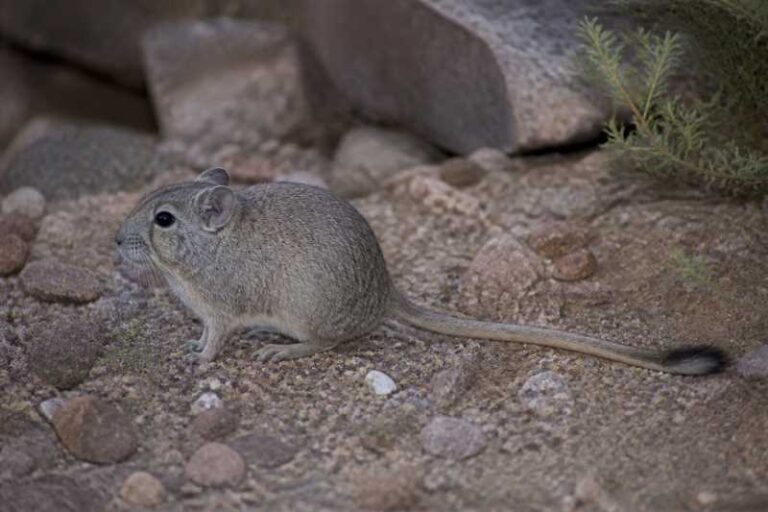
The Black Shrew is aptly named for its predominantly black fur, which provides it with a distinctive appearance among its peers. This small mammal typically measures about 4.7 to 5.5 inches in length, including its tail, which is relatively short compared to its body size. The shrew’s dense, velvety fur is adapted for its moist, forested environment, helping to repel water and maintain body heat.
In terms of anatomy, the Black Shrew possesses a pointed snout and small, beady eyes, which are common traits among shrews that aid in their primarily nocturnal lifestyle. Its limbs are short but strong, allowing it to navigate through dense underbrush and dig into loose soil effectively. The Black Shrew’s teeth are sharp and specialized for an insectivorous diet, with prominent incisors that help in grasping and consuming prey.
Range and Habitat
The Black Shrew is endemic to the montane forests of Mount Kinabalu in Sabah, Malaysian Borneo. This region is characterized by its high elevation, ranging from 1,200 to 3,200 meters above sea level, and its rich biodiversity. The shrew’s range is limited to these montane forests, where it occupies a niche ecosystem that is both unique and vulnerable.
These forests are marked by a cool and moist climate, with frequent cloud cover and heavy rainfall, creating an ideal environment for the Black Shrew. The dense vegetation and abundant leaf litter provide ample cover and foraging opportunities for this small mammal.
Behavior and Diet
The Black Shrew is primarily nocturnal, spending its nights foraging for food and its days hidden within the thick underbrush of its forest home. Its diet consists mainly of insects and other small invertebrates, such as worms and larvae, which it hunts using its keen sense of smell and hearing.
Despite its small size, the Black Shrew is a voracious feeder, requiring frequent meals to sustain its high metabolic rate. This constant need for food drives its behavior and influences its interactions with the ecosystem. As an insectivore, the Black Shrew plays a crucial role in controlling insect populations, contributing to the ecological balance of its habitat.
The social structure of the Black Shrew is not well-documented, but like many shrew species, it is likely to be solitary outside of breeding periods. Reproductive behaviors are also not well-studied, but typical shrew reproduction involves several litters per year, each with multiple offspring.
Identification Tips
Field recognition of the Black Shrew can be challenging due to its elusive nature and nocturnal habits. However, there are several key features to look for when attempting to identify this species in its natural habitat:
- Coloration: The uniform black fur is a primary identifying feature, setting it apart from other shrews which may exhibit brown or gray tones.
- Size and Shape: Its small size, coupled with a short tail and pointed snout, are distinctive characteristics.
- Habitat: Observing the shrew in its known montane forest range can aid in identification, as it is unlikely to be found outside this specific environment.
- Behavior: Nocturnal activity patterns and foraging behavior can also provide clues, especially if observed at night.
Conservation Status
The Black Shrew is currently listed as "Vulnerable" on the IUCN Red List, a status that reflects its limited distribution and the ongoing threats to its habitat. The primary threats facing the Black Shrew include habitat destruction due to logging, agricultural expansion, and climate change, which can alter the delicate montane environment it depends on.
Efforts to protect the Black Shrew are focused on habitat conservation and management. Mount Kinabalu, where the shrew is found, is a protected area under the jurisdiction of the Kinabalu Park, a UNESCO World Heritage Site. This designation provides a level of protection against deforestation and habitat degradation, although enforcement can be challenging.
Conservationists are also calling for further research into the ecology and behavior of the Black Shrew to inform more effective conservation strategies. Public awareness campaigns and community engagement are essential components of these efforts, aiming to increase local support for conservation initiatives.
Frequently Asked Questions
1. What does the Black Shrew eat?
The Black Shrew primarily feeds on insects and other small invertebrates. Its diet includes beetles, larvae, worms, and other forest floor-dwelling creatures, which it hunts using its acute sense of smell and hearing.
2. Where can you find the Black Shrew?
The Black Shrew is endemic to the montane forests of Mount Kinabalu in Sabah, Malaysian Borneo. It inhabits high-elevation areas characterized by dense vegetation and a cool, moist climate.
3. Why is the Black Shrew considered vulnerable?
The Black Shrew is listed as "Vulnerable" due to its limited range and ongoing threats to its habitat, such as deforestation, agricultural expansion, and climate change. Efforts are being made to conserve its habitat and ensure the species’ survival.
4. How does the Black Shrew contribute to its ecosystem?
As an insectivore, the Black Shrew plays a vital role in controlling insect populations, helping to maintain ecological balance within its montane forest habitat.
5. How can we help protect the Black Shrew?
Supporting conservation initiatives, raising awareness about the species, and advocating for the protection of its habitat in Mount Kinabalu are essential steps towards ensuring the survival of the Black Shrew.
Related posts