Introduction
The Bale Mountains Monkey, scientifically known as Chlorocebus djamdjamensis, is a captivating species of Old World monkey that resides exclusively in the highlands of Ethiopia. Known for its distinctive physical appearance and unique behaviors, this primate is an intriguing subject for both scientists and nature enthusiasts. As the sole representative of its species, the Bale Mountains Monkey holds a special place in the rich biodiversity of the Ethiopian Highlands.
This article delves into the various aspects of the Bale Mountains Monkey, including its physical description, habitat, behavior, and conservation status. We will also provide tips on how to identify these monkeys in the wild and answer some frequently asked questions about them.
Physical Description
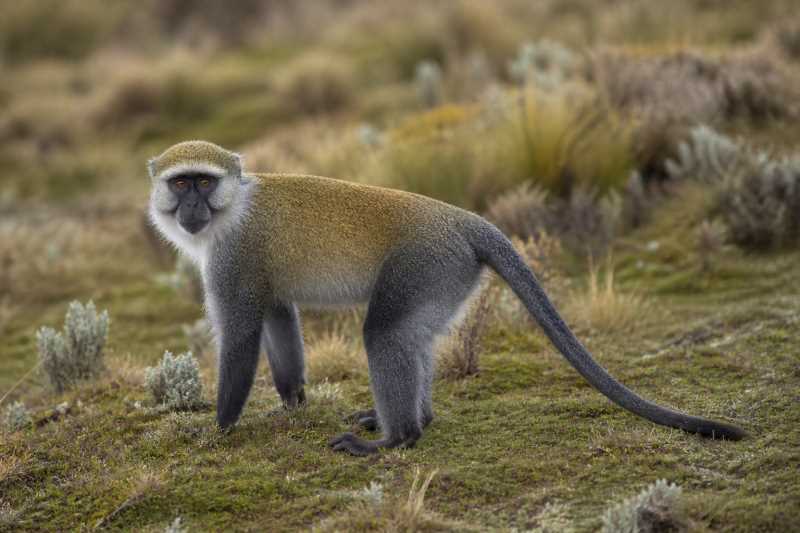
The Bale Mountains Monkey is a remarkable creature with several distinguishing features. Adult monkeys typically weigh between 4 to 7 kilograms, with males generally being larger than females. Their body length ranges from 40 to 60 centimeters, not including the tail, which can add an additional 50 to 80 centimeters.
Their fur is predominantly olive-green, with a lighter underbelly that often appears white or cream-colored. The face of the Bale Mountains Monkey is black, with a bare and expressive visage that contrasts sharply with their furry body. One of their most striking features is the white band of hair that encircles their face, giving them a distinctive "spectacled" appearance.
These monkeys have a robust build, adapted to the harsh climatic conditions of their high-altitude habitat. Their limbs are strong and agile, allowing them to navigate the rugged terrain of the Bale Mountains.
Range and Habitat
The Bale Mountains Monkey is endemic to the southern Ethiopian Highlands, specifically within the Bale Mountains National Park. This region is characterized by its high altitudes, ranging from 2,500 to 4,000 meters above sea level. The landscape is a mix of afro-alpine moorlands, heather forests, and grasslands, providing a unique and diverse ecosystem.
These monkeys are primarily found in the Harenna Forest, one of the largest and most pristine forests in Ethiopia. The forest is a crucial habitat, offering shelter and food resources for the monkeys. The dense canopy and varied plant life provide an ideal environment for foraging and protection against predators.
Behavior and Diet
Bale Mountains Monkeys are diurnal creatures, meaning they are active during the day and rest at night. They are highly social animals, living in troops that can range from a few individuals to over 50 members. These social structures are complex and hierarchical, with each monkey playing a specific role within the group.
Their diet is primarily herbivorous, consisting of leaves, fruits, and flowers. They have also been observed eating insects and small invertebrates, which provide additional protein. The availability of food varies with the seasons, influencing their foraging patterns and movement within their territory.
Communication among Bale Mountains Monkeys is sophisticated, involving a range of vocalizations, facial expressions, and body postures. These communication methods are essential for maintaining social bonds, warning of predators, and coordinating group activities.
Identification Tips (Field Recognition Cues)
Identifying the Bale Mountains Monkey in the wild can be an exhilarating experience. Here are some tips to help you recognize them:
- Look for the distinctive white facial band: This "spectacled" appearance is a key identifying feature.
- Observe their size and build: They are medium-sized monkeys with a robust and stocky build.
- Listen for vocalizations: These monkeys are vocal creatures, often using calls to communicate within the troop.
- Note their habitat: They are typically found in high-altitude regions within the Bale Mountains National Park.
- Watch for social behavior: They are often seen in groups, engaging in grooming and other social activities.
Conservation Status (With Threats and Protections)
The Bale Mountains Monkey is currently classified as "Near Threatened" by the International Union for Conservation of Nature (IUCN). This status highlights the species’ vulnerability to environmental changes and human activities.
Threats:
- Habitat Loss: Deforestation and land conversion for agriculture are significant threats to their natural habitat.
- Climate Change: Changes in climate patterns can alter the delicate ecosystem of the Bale Mountains, affecting food availability and shelter.
- Human Encroachment: Increasing human population and activities in the region pose a threat to their habitat.
Protections:
- Bale Mountains National Park: The park provides a protected area for the monkeys, safeguarding their habitat from human activities.
- Conservation Programs: Various initiatives are in place to monitor and protect the species, involving local communities and international organizations.
Frequently Asked Questions
What is the primary diet of the Bale Mountains Monkey?
The Bale Mountains Monkey primarily feeds on leaves, fruits, and flowers. They have also been observed consuming insects and small invertebrates to supplement their diet.
How do Bale Mountains Monkeys communicate?
These monkeys use a combination of vocalizations, facial expressions, and body postures to communicate. These methods are essential for maintaining social bonds and coordinating group activities.
Where can I see the Bale Mountains Monkey in the wild?
They are endemic to the Bale Mountains National Park in Ethiopia. The Harenna Forest, within the park, is a prime location for observing these monkeys in their natural habitat.
What are the main threats to the Bale Mountains Monkey?
The primary threats include habitat loss due to deforestation, climate change, and human encroachment. Conservation efforts are crucial to mitigating these threats.
Are Bale Mountains Monkeys endangered?
While not currently endangered, the Bale Mountains Monkey is classified as "Near Threatened." Conservation efforts are important to prevent further decline in their population.
Related posts