Introduction
The Tolai Hare (Lepus tolai) is an intriguing species of mammal belonging to the Leporidae family. Known for its adaptability to diverse environments, the Tolai Hare thrives across a wide range of terrains and climates. This species is particularly noted for its swift speed and keen senses, attributes that have enabled it to survive in the wild despite numerous natural and anthropogenic threats. This article explores the various aspects of the Tolai Hare, including its physical characteristics, habitat preferences, behavior, and conservation status.
Physical Description
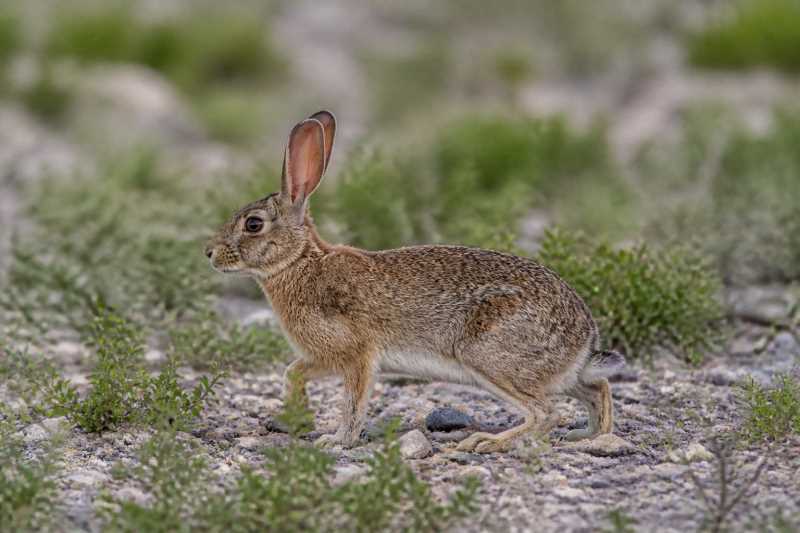
The Tolai Hare is a medium-sized mammal, characterized by its elongated ears and powerful hind legs, which are typical of hares. Adult Tolai Hares typically weigh between 1.5 to 3 kilograms and measure about 40 to 60 centimeters in length. Their fur is generally a mix of brown and gray, providing excellent camouflage against the sandy and rocky terrains they often inhabit. During winter, the fur may become lighter, offering better insulation and blending with the snow-covered landscapes.
The ears of the Tolai Hare are notably long, capable of picking up distant sounds, which is an essential adaptation for detecting predators. Their eyes are large and positioned on the sides of their head, affording them a wide field of vision. The hind legs are robust and longer than the front legs, facilitating their ability to leap and run at high speeds – a crucial survival tactic when evading predators.
Range and Habitat
Tolai Hares are distributed across various regions in Central Asia, including parts of Mongolia, China, Russia, and the Middle East. They are highly adaptable and can be found in deserts, steppes, and grasslands. These hares prefer open areas where they can use their speed to escape predators, but they also inhabit regions with sparse vegetation that provides some cover from threats.
The species is known to thrive in environments where temperatures can be extreme, ranging from hot deserts to cold, high-altitude regions. They are primarily terrestrial but are adept at using the landscape to their advantage, often utilizing burrows or rock crevices for shelter against harsh weather and predators.
Behavior and Diet
Tolai Hares are primarily nocturnal, being most active during the early morning and late evening hours. This behavior helps them avoid the heat of the day and reduce exposure to predators. As herbivores, their diet consists mainly of grasses, herbs, and shrubs. They are known to feed on a wide variety of plant materials, depending on the availability of resources in their habitat.
During the breeding season, which typically occurs in the spring and summer, Tolai Hares become more active during the day. Females give birth to litters of 2-6 leverets after a gestation period of about 42 days. The young are born fully furred and with their eyes open, ready to follow their mother within hours of birth.
Identification Tips (Field Recognition Cues)
Identifying the Tolai Hare in the wild involves noting several key characteristics:
- Ear Length: Look for long, upright ears, often with black tips, which are a distinct feature of hares.
- Fur Color: Observe the coloration; a blend of gray and brown, providing camouflage in arid environments.
- Body Size: Note the size and build; Tolai Hares are medium-sized with strong hind legs for quick, powerful leaps.
- Behavior: Watch for their unique movement patterns – they tend to hop and leap rapidly when startled.
- Habitat: Consider the environment; they are often found in open, grassy or semi-desert regions.
Conservation Status (With Threats and Protections)
The Tolai Hare is currently listed as a species of Least Concern by the International Union for Conservation of Nature (IUCN). Despite this classification, they face several threats, including habitat destruction due to agricultural expansion, urbanization, and climate change. Hunting for their fur and meat also poses a threat in some regions.
Conservation efforts for the Tolai Hare focus on habitat protection and monitoring population trends. Protected areas and wildlife reserves play a crucial role in safeguarding their habitats. In some regions, hunting regulations have been implemented to prevent over-exploitation of the species.
Frequently Asked Questions
1. What is the average lifespan of a Tolai Hare in the wild? Tolai Hares typically live for about 5 to 6 years in the wild, although this can vary depending on environmental conditions and predation pressure.
2. How do Tolai Hares communicate with each other? Tolai Hares use a combination of vocalizations, body language, and scent marking to communicate. Thumping of hind legs on the ground is a common signal to alert others of danger.
3. Are Tolai Hares solitary animals? Yes, Tolai Hares are generally solitary except during the breeding season or when mothers are raising their young. They may, however, be seen in small groups in areas with abundant food.
4. What are the main predators of Tolai Hares? The main predators of Tolai Hares include foxes, birds of prey, and wild cats. Their speed and agility are vital for escaping these threats.
5. How do Tolai Hares adapt to extreme temperatures? Tolai Hares have adapted to extreme temperatures by altering their activity patterns, seeking shade or shelter during the hottest parts of the day, and changing their diet based on seasonal availability of food.
Related posts