Arctic Hare (Lepus arcticus): A Comprehensive Guide
Introduction
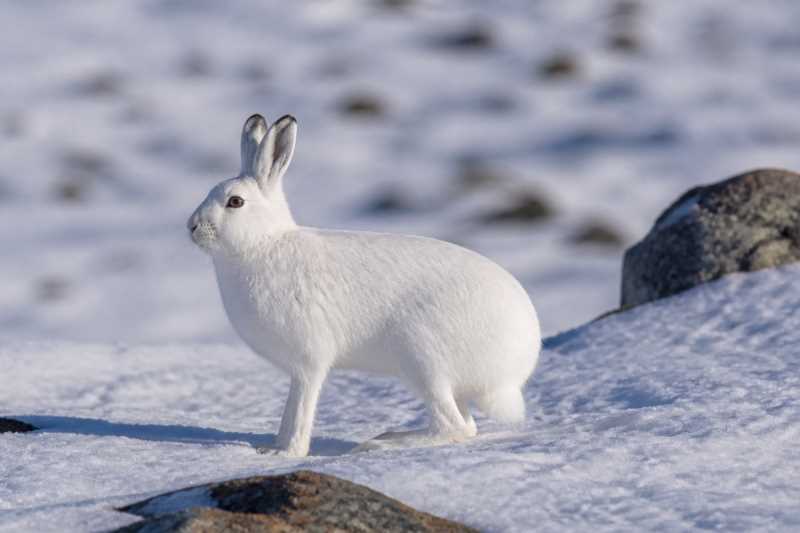
The Arctic Hare (Lepus arcticus) is a remarkable species adapted to the harsh conditions of the Arctic tundra. Known for its pristine white coat that blends seamlessly into the snowy backdrop, this mammal is a fascinating subject of study for scientists and wildlife enthusiasts alike. Understanding the Arctic Hare is crucial not only for appreciating the diversity of Arctic wildlife but also for conserving its delicate habitat.
Physical Description
The Arctic Hare is well-adapted to its frigid environment. Adult hares typically weigh between 3 to 7 kilograms (6.6 to 15.4 pounds) and measure around 43 to 70 centimeters (17 to 27 inches) in length. Their fur is thick and white during the winter months, providing essential camouflage in the snow. In summer, their coat turns a blue-gray color, which blends into the rocky tundra landscape.
Their large hind legs and strong muscles enable them to hop swiftly over snow and ice, reaching speeds of up to 60 kilometers per hour (37 mph). The Arctic Hare’s ears are shorter compared to other hare species, reducing heat loss and helping them conserve body heat in cold temperatures.
Range and Habitat
Arctic Hares are primarily found in the tundra regions of Canada, Greenland, and parts of the Northern United States. They occupy a range of habitats within these areas, including rocky plateaus, open tundra, and coastal barrens. These hares are well-suited to life in areas with harsh winters and short summers, where vegetation is sparse and temperatures can plummet.
The tundra environment is characterized by permafrost, low temperatures, and a short growing season. Arctic Hares have adapted to survive in these conditions by developing a diet that includes woody plants, mosses, and lichens, which are available year-round.
Behavior and Diet
Arctic Hares are primarily nocturnal, though they can be seen during the day, especially during the summer months when daylight is nearly constant. They are known for their social behavior, often forming groups of up to 200 individuals during the winter months. This social structure helps them remain alert to predators and provides warmth during cold nights.
The diet of the Arctic Hare consists mainly of woody plants, mosses, and lichens. In the summer, they have access to a wider variety of vegetation, including berries and leaves. Their ability to digest tough plant material is crucial for survival in the nutrient-poor tundra environment.
Identification Tips
Identifying an Arctic Hare in the field involves recognizing a few key characteristics:
- Fur Color: Look for their distinctive white winter coat or blue-gray summer coat.
- Size and Shape: Note their relatively large size, long hind legs, and compact body.
- Ears: Short ears compared to other hare species, with black tips.
- Behavior: Often found in groups during winter; look for their distinctive hopping movement.
Conservation Status
Currently, the Arctic Hare is not considered endangered. However, climate change poses a significant threat to their habitat. The warming of the Arctic region is leading to changes in vegetation patterns and the melting of permafrost, which could impact food availability and habitat stability.
Conservation efforts for the Arctic Hare focus on preserving tundra ecosystems and mitigating the impacts of climate change. Protected areas in Canada and Greenland help safeguard their habitats, while ongoing research aims to better understand the species’ ecology and adaptability.
Frequently Asked Questions
What do Arctic Hares eat?
Arctic Hares primarily eat woody plants, mosses, and lichens. In the summer, they also consume berries and leaves when available.
How do Arctic Hares survive the cold?
Arctic Hares are well-adapted to cold climates with their thick fur, reduced ear size, and ability to form groups for warmth and predator protection.
Where can I find Arctic Hares?
Arctic Hares are found in the tundra regions of Canada, Greenland, and parts of the Northern United States, typically in rocky plateaus and open tundra.
Do Arctic Hares hibernate?
No, Arctic Hares do not hibernate. They remain active throughout the year, even in the harsh winter conditions of the Arctic.
How fast can Arctic Hares run?
Arctic Hares can reach speeds of up to 60 kilometers per hour (37 mph), allowing them to quickly escape predators.
Related posts