Introduction
The Tamaulipan woodrat, scientifically known as Neotoma angustapalata, is a fascinating rodent species native to North America. This small mammal is a part of the Cricetidae family and has garnered interest from wildlife enthusiasts and researchers alike, due to its unique adaptations and ecological significance. The species is endemic to the Tamaulipan biotic province, a region known for its rich biodiversity and unique ecosystems. Understanding the Tamaulipan woodrat’s role in its habitat is crucial for conservation efforts and maintaining ecological balance.
Physical Description
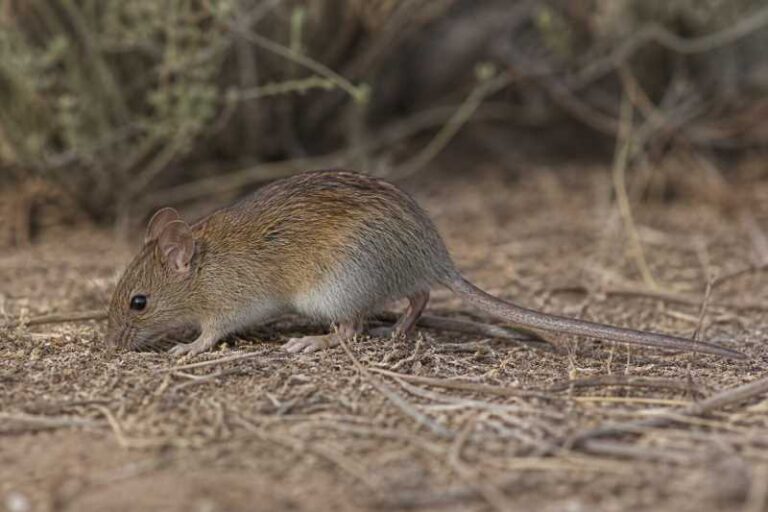
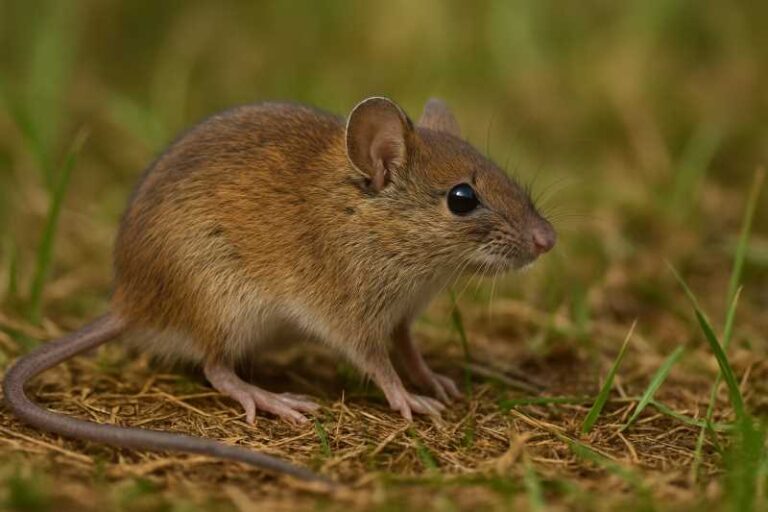
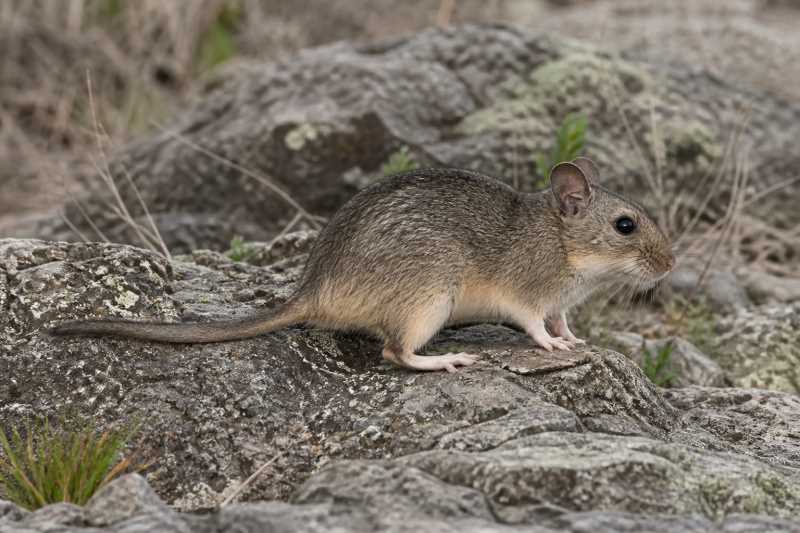
The Tamaulipan woodrat exhibits distinctive physical characteristics that aid in its survival in the wild. Adults typically measure between 20 to 30 centimeters in length, including their tails, which account for nearly half of their size. They have a robust body with a soft, dense fur coat that varies in color from grayish-brown to light brown, providing camouflage in their natural habitat.
Their large, round ears and prominent, dark eyes are well-adapted for nighttime activity, allowing them to navigate and forage efficiently under the cover of darkness. The woodrat’s sharp, curved claws and strong hind legs enable it to climb trees and shrubs with ease, an essential skill for avoiding predators and accessing food resources.
Range and Habitat
The Tamaulipan woodrat is predominantly found in the Tamaulipan biotic province, which spans parts of northeastern Mexico and southern Texas. This region is characterized by a mix of thorny scrubland, open woodlands, and arid desert-like environments, providing a diverse range of habitats for the species.
These woodrats prefer areas with dense vegetation, such as mesquite, acacia, and prickly pear cactus, which offer both food and shelter. They are known to construct elaborate nests called "middens," using a combination of sticks, leaves, and other plant materials. These structures provide insulation against extreme temperatures and serve as protection from predators.
Behavior and Diet
Tamaulipan woodrats are primarily nocturnal creatures, exhibiting peak activity during the night when they forage for food. Their diet is mainly herbivorous, consisting of a variety of plant materials, including seeds, fruits, leaves, and bark. They have a particular preference for cacti and mesquite beans, which are abundant in their habitat.
These woodrats are solitary animals, with each individual maintaining its own territory. They communicate through vocalizations and scent markings, which are used to establish boundaries and attract potential mates. Breeding occurs throughout the year, with females giving birth to litters of one to four young after a gestation period of approximately 30 to 35 days.
Identification Tips (Field Recognition Cues)
Identifying the Tamaulipan woodrat in the field requires attention to several key characteristics:
- Size and Shape: Look for a small to medium-sized rodent with a long, bushy tail.
- Fur Color: Note the grayish-brown to light brown fur, which often appears darker on the back and lighter on the belly.
- Ears and Eyes: Large, round ears and dark, expressive eyes are prominent features.
- Nesting Behavior: Observe for the presence of stick-built middens, which are characteristic of this species.
- Activity Patterns: They are more active at night; sightings during the day are rare.
Conservation Status (With Threats and Protections)
The conservation status of the Tamaulipan woodrat is currently listed as "Least Concern" by the International Union for Conservation of Nature (IUCN). However, like many species, it faces threats from habitat destruction and fragmentation, primarily due to agricultural expansion and urban development.
Additionally, climate change poses a significant threat as it alters the availability of water and food resources in their arid habitat. Efforts to protect the Tamaulipan woodrat include habitat conservation initiatives and environmental policies aimed at preserving the biodiversity of the Tamaulipan biotic province.
Frequently Asked Questions
What is the Tamaulipan woodrat’s primary diet?
The Tamaulipan woodrat primarily feeds on seeds, fruits, leaves, and bark, with a preference for cacti and mesquite beans, which are abundant in their native habitat.
How do Tamaulipan woodrats communicate?
These woodrats communicate through vocalizations and scent markings, which help establish territories and attract mates. They are solitary creatures, with each individual maintaining its own territory.
Where can the Tamaulipan woodrat be found?
The Tamaulipan woodrat is found in the Tamaulipan biotic province, which includes parts of northeastern Mexico and southern Texas, particularly in areas with dense vegetation like mesquite and acacia.
What are the main threats to the Tamaulipan woodrat?
The main threats include habitat destruction due to agricultural expansion and urban development, as well as climate change, which affects the availability of food and water resources.
Are Tamaulipan woodrats endangered?
Currently, the Tamaulipan woodrat is not considered endangered and is listed as "Least Concern" by the IUCN, though continued conservation efforts are necessary to mitigate potential threats.
Related posts