Introduction
The Dark Shrew Tenrec, scientifically known as Microgale jobihely, is a captivating mammalian species found exclusively in Madagascar. This unique creature belongs to the family Tenrecidae, a group of small to medium-sized mammals that share some characteristics with hedgehogs, shrews, and moles. The Dark Shrew Tenrec is a prime example of Madagascar’s rich biodiversity and the island’s role as a living laboratory for evolution.
These small, enigmatic creatures play an essential role in the ecosystems they inhabit, contributing to the balance of insect populations and the health of soil through their foraging activities. Understanding the biology and ecology of the Dark Shrew Tenrec is crucial, not only for appreciating Madagascar’s unique wildlife but also for promoting effective conservation strategies to protect these animals and their habitats.
Physical Description
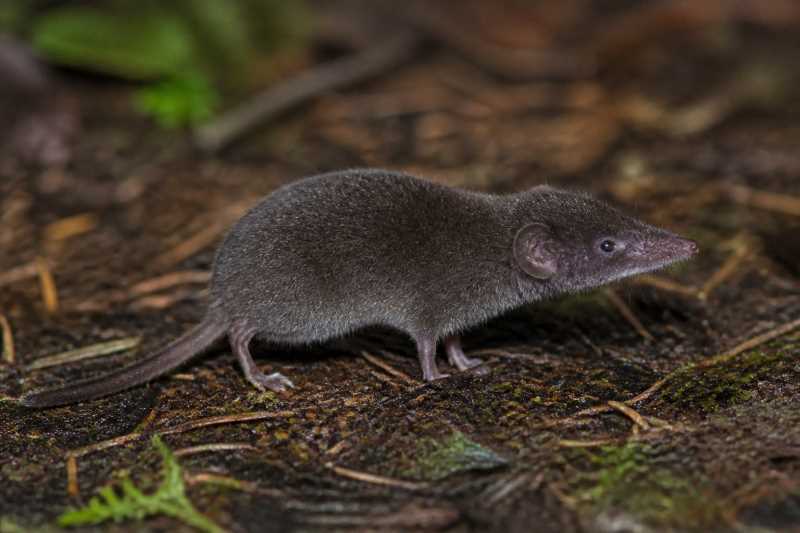
The Dark Shrew Tenrec is a diminutive mammal, characterized by its small size and distinct appearance. It typically measures around 10 to 12 centimeters in length, excluding its tail, which adds an additional 8 to 10 centimeters. Weighing in at approximately 40 to 60 grams, these creatures are agile and well-adapted to their environment.
Their fur is predominantly dark brown to black, providing excellent camouflage against the forest floor. The fur is dense and velvety, offering protection against the elements and aiding in temperature regulation. The Dark Shrew Tenrec has a pointed snout, which is a common feature among insectivorous mammals, allowing it to forage efficiently for food.
The limbs of the Dark Shrew Tenrec are adapted for its terrestrial lifestyle, with strong claws that enable it to dig and navigate through leaf litter and soil. Its eyes are relatively small, indicative of its reliance on other senses such as smell and hearing to locate prey and navigate its environment.
Range and Habitat
The Dark Shrew Tenrec is endemic to Madagascar, meaning it is found nowhere else on Earth. Within Madagascar, it inhabits the island’s eastern rainforests, which provide the dense vegetation and rich biodiversity necessary for its survival. These rainforests are characterized by high humidity, significant rainfall, and a multi-layered canopy that supports a wide variety of flora and fauna.
The species has been recorded in several protected areas, including the Andasibe-Mantadia National Park and Ranomafana National Park, which are known for their lush forests and diverse wildlife. The Dark Shrew Tenrec thrives in the leaf litter and undergrowth of these forests, where it can find ample food and shelter.
Behavior and Diet
The Dark Shrew Tenrec is primarily nocturnal, emerging from its burrows at night to forage for food. Its diet consists mainly of insects and other small invertebrates, which it detects using its acute sense of smell. The pointed snout and sensitive whiskers of the Dark Shrew Tenrec are crucial tools for locating prey in the dark, dense forest floor.
In addition to insects, the Dark Shrew Tenrec may consume small amounts of plant material, such as seeds and fruits, which provide additional nutrients. This opportunistic feeding behavior ensures the tenrec can survive even when insect prey is scarce.
The species is generally solitary, with individuals maintaining territories that they defend from intruders. However, during the breeding season, male tenrecs may compete for access to females, engaging in brief but intense interactions.
Identification Tips (Field Recognition Cues)
Identifying the Dark Shrew Tenrec in the field can be challenging due to its small size and elusive nature. However, several key characteristics can aid in recognition:
- Coloration: Look for the dark brown to black fur, which blends well with the forest floor.
- Size: Note the small body size, typically around 10 to 12 centimeters in length, with a proportionately long tail.
- Behavior: Observe for nocturnal activity and foraging behavior, often in leaf litter and undergrowth.
- Habitat: Focus searches within Madagascar’s eastern rainforests, particularly in protected areas.
Field researchers and enthusiasts should also listen for the rustling of leaves, a common sound associated with the movement of these small mammals.
Conservation Status (with Threats and Protections)
The Dark Shrew Tenrec is currently listed as "Data Deficient" by the International Union for Conservation of Nature (IUCN), indicating that more research is needed to determine its population status and trends. However, it is known that the species faces several threats, primarily habitat loss due to deforestation and land conversion for agriculture.
Madagascar’s rainforests have been significantly reduced over the years, impacting the habitats of many endemic species, including the Dark Shrew Tenrec. Climate change also poses a potential threat by altering the delicate balance of the island’s ecosystems.
Conservation efforts are crucial to protect the remaining habitats of the Dark Shrew Tenrec. These efforts include establishing and maintaining protected areas, promoting sustainable land-use practices, and conducting further research to inform conservation strategies. Community involvement and education are also essential to ensure long-term success in preserving Madagascar’s unique biodiversity.
Frequently Asked Questions
What do Dark Shrew Tenrecs eat?
Dark Shrew Tenrecs primarily feed on insects and other small invertebrates. Their diet may also include small amounts of plant material, such as seeds and fruits, particularly when insect prey is scarce. They use their acute sense of smell and pointed snouts to locate food in the dense forest floor.
How can I identify a Dark Shrew Tenrec?
Identifying a Dark Shrew Tenrec involves looking for its small size, dark brown to black fur, and nocturnal foraging behavior. They are typically found in Madagascar’s eastern rainforests, particularly in areas with dense undergrowth and leaf litter.
Why is the Dark Shrew Tenrec important to Madagascar’s ecosystem?
The Dark Shrew Tenrec plays a vital role in Madagascar’s ecosystem by controlling insect populations and contributing to soil health through its foraging activities. Its presence helps maintain the ecological balance within the rainforest, supporting overall biodiversity.
What are the main threats to the Dark Shrew Tenrec?
The primary threats to the Dark Shrew Tenrec include habitat loss due to deforestation and land conversion for agriculture, as well as potential impacts from climate change. Conservation efforts focus on protecting habitats and promoting sustainable practices.
Are there any conservation programs for the Dark Shrew Tenrec?
Yes, conservation programs aimed at protecting the Dark Shrew Tenrec focus on establishing protected areas, promoting sustainable land use, and conducting research to inform effective conservation strategies. Involving local communities and raising awareness are also key components of these programs.
Related posts