Eastern Woodrat (Neotoma floridana): A Comprehensive Guide
Introduction
The Eastern Woodrat (Neotoma floridana), also known as the bush rat, is a fascinating rodent species native to North America. Known for their distinctive nests, often called "middens," these creatures play a vital role in their ecosystem by aiding seed dispersal and providing habitat for other wildlife. This article delves into the life of the Eastern Woodrat, examining its physical characteristics, habitat preferences, behavior, diet, and conservation status.
Physical Description
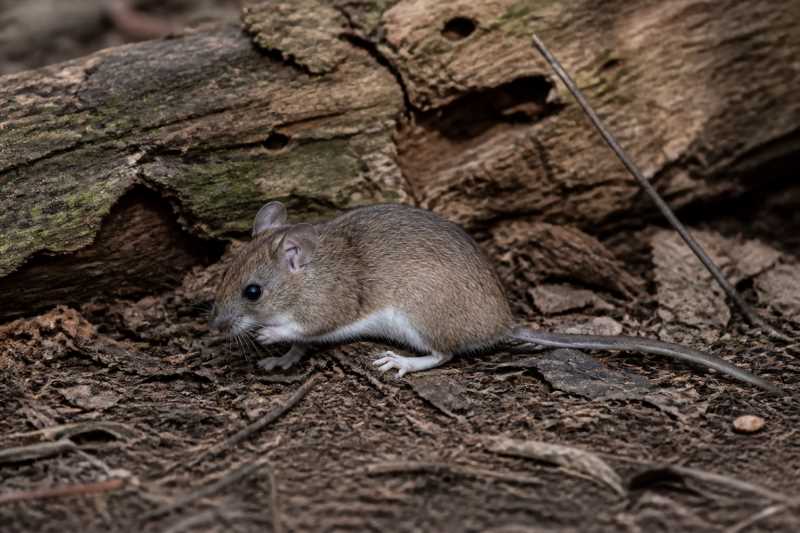
Eastern Woodrats are medium-sized rodents with a robust build. They typically measure 12 to 16 inches in length, including their tail, which is about half their body length. Their weight ranges from 200 to 350 grams. They possess large, rounded ears and prominent, dark eyes, which are well-adapted to their nocturnal lifestyle.
Their fur is soft and dense, predominantly grayish-brown on the upper parts, transitioning to a white or light gray on the underbelly. The tail is covered with fur, contrasting with the naked tails of common rats, and has a bicolored appearance, being darker on top and lighter underneath.
Range and Habitat
The Eastern Woodrat is distributed across the southeastern United States, from the eastern parts of Texas and Oklahoma through the Appalachian Mountains up to the Great Lakes region. They prefer habitats that provide ample cover and food resources, such as deciduous forests, rocky outcrops, and areas with dense vegetation.
Woodrats are adept at utilizing a variety of microhabitats within these regions. They often construct their nests in natural cavities, such as rock crevices, hollow logs, or abandoned buildings. These nests are complex structures made of twigs, leaves, and other debris, serving as protection against predators and harsh weather.
Behavior and Diet
Eastern Woodrats are primarily nocturnal and solitary creatures. They are known for their meticulous nest-building behavior, creating elaborate structures that can be reused by generations of woodrats. These nests often include multiple chambers for storing food, nesting, and waste.
The diet of the Eastern Woodrat is diverse, consisting primarily of plant materials such as leaves, fruits, seeds, and bark. They are opportunistic feeders and will also consume fungi, insects, and even small vertebrates if available. Their foraging behavior is crucial for seed dispersal, making them an important component of their ecosystem.
Identification Tips (field recognition cues)
Identifying the Eastern Woodrat in the field can be challenging due to their nocturnal habits. However, there are several cues that can help:
- Nests: Look for large, dome-shaped nests made of sticks and debris, often found in rock crevices or under fallen trees.
- Tracks and Droppings: Their tracks are small, with four-toed impressions, and their droppings are oval and resemble those of small rabbits.
- Sounds: Listen for rustling noises at night, as they are active foragers.
- Visual Cues: Spotting them might be rare, but their distinct fur pattern and large ears are telltale signs.
Conservation Status (with threats and protections)
The conservation status of the Eastern Woodrat varies across its range. While generally not considered endangered, certain populations, such as those in the northern parts of their range, face significant threats. Habitat destruction due to urbanization, agriculture, and deforestation poses a major risk.
Predation by domestic animals and competition with invasive species like the black rat (Rattus rattus) further exacerbate their vulnerability. Conservation efforts focus on habitat preservation and restoring native forest areas. Some states have implemented protective legislation to safeguard critical habitats.
Frequently Asked Questions
What do Eastern Woodrats eat?
Eastern Woodrats primarily consume plant materials, including leaves, fruits, seeds, and bark. They are also known to eat insects and small vertebrates, making them opportunistic feeders.
Where do Eastern Woodrats live?
Eastern Woodrats inhabit a range of environments across the southeastern United States, preferring deciduous forests, rocky areas, and regions with dense vegetation. They are especially fond of areas that provide natural cavities for nesting.
Are Eastern Woodrats endangered?
While not globally endangered, certain populations of Eastern Woodrats are at risk due to habitat loss and competition with invasive species. Conservation efforts are underway to protect their habitats and maintain population stability.
How can you identify an Eastern Woodrat?
You can identify an Eastern Woodrat by its large ears, soft grayish-brown fur, and distinctive nests made of sticks and debris. Observing their tracks and droppings can also be helpful.
What is the significance of Eastern Woodrats in their ecosystem?
Eastern Woodrats play a crucial role in their ecosystem by dispersing seeds and providing habitats for other wildlife through their nest-building activities.
Related posts