Introduction
The yellow steppe lemming, scientifically known as Eolagurus luteus, is a small rodent that plays a significant role in the ecosystems of Central Asia. As a member of the Cricetidae family, these lemmings are adapted to the harsh climatic conditions of the steppes and semi-deserts where they reside. Despite their small size, yellow steppe lemmings are fascinating creatures, exhibiting unique behaviors and adaptations that allow them to thrive in environments that many other mammals find inhospitable. In this article, we will explore the various aspects of the yellow steppe lemming, from its physical characteristics to its ecological significance.
Physical Description
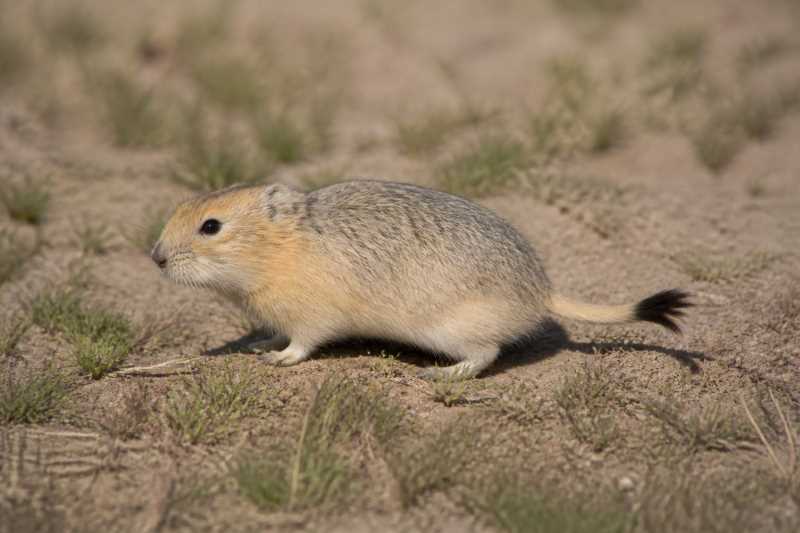
Yellow steppe lemmings are small rodents with a robust body, measuring approximately 10 to 13 centimeters in length, excluding the tail, which adds another 1.5 to 2 centimeters. They typically weigh between 30 to 50 grams. Their fur is dense and soft, predominantly yellowish-brown on the dorsum, which provides excellent camouflage against the sandy and grassy terrains of their habitat. The ventral side is usually lighter, often a pale yellow or whitish hue.
One of the distinguishing features of the yellow steppe lemming is its short, furry tail and small, rounded ears that are almost hidden by its fur. These adaptations help minimize heat loss and provide protection against the harsh winds of their environment. Their incisors are prominent and ever-growing, which is typical of rodents, enabling them to gnaw through tough vegetation and seeds.
Range and Habitat
The yellow steppe lemming is primarily found across the steppes and semi-deserts of Central Asia, with its range extending through countries like Kazakhstan, Mongolia, and parts of China and Russia. They are well-adapted to arid and semi-arid environments, often inhabiting areas with sparse vegetation, such as grasslands and shrublands.
These lemmings are known for their burrowing abilities, constructing intricate tunnel systems underground. These burrows offer protection from predators and extreme weather conditions, providing a stable microenvironment for breeding and food storage. The choice of habitat is influenced by the availability of food sources and the soil’s suitability for burrowing.
Behavior and Diet
Yellow steppe lemmings are primarily nocturnal, although they may be active during the day, especially in cooler temperatures. They exhibit fossorial behavior, spending a significant amount of time within their burrows, especially during adverse weather conditions.
Their diet is herbivorous, consisting mainly of grasses, seeds, and other plant materials. In the steppe environment where they thrive, food availability can be seasonal, and as such, these lemmings are adept at storing food within their burrows to ensure a consistent supply throughout the year.
Socially, yellow steppe lemmings are generally solitary but may be found in small family groups. During the breeding season, which typically occurs in the spring and summer, males and females come together briefly for mating. Females can have multiple litters per year, with gestation lasting around 20 days. A typical litter consists of 3 to 6 young, which are weaned after about three weeks.
Identification Tips
Field recognition of the yellow steppe lemming involves several key characteristics:
- Coloration: Look for the distinctive yellowish-brown fur on the back and lighter underbelly.
- Size and Shape: Note the small, robust body with a short, furry tail and small ears.
- Habitat: They are usually found in open steppe and semi-desert regions, often near burrow entrances.
- Behavior: Observe their nocturnal activity patterns, especially during dusk and dawn.
- Burrows: Identification can be aided by the presence of characteristic tunnel systems.
Conservation Status
The International Union for Conservation of Nature (IUCN) currently lists the yellow steppe lemming as a species of Least Concern. While their populations are stable in many areas, they face threats from habitat destruction due to agricultural expansion, overgrazing by livestock, and climate change, which can alter their delicate ecosystem.
Protection efforts for the yellow steppe lemming involve habitat conservation and monitoring population dynamics to ensure that these rodents do not become threatened. Maintaining the ecological balance of the steppe and semi-desert regions is crucial for their survival, as well as that of many other species that share their habitat.
Frequently Asked Questions
What do yellow steppe lemmings eat?
Yellow steppe lemmings primarily feed on grasses, seeds, and other plant materials found in their steppe and semi-desert habitats. They are herbivorous and adapt their diet based on seasonal availability.
How do yellow steppe lemmings survive in harsh environments?
They survive by constructing extensive burrow systems that provide shelter and by storing food to ensure a steady supply throughout the year. Their fur and physical adaptations also help them withstand extreme temperatures.
Are yellow steppe lemmings endangered?
Currently, yellow steppe lemmings are not considered endangered and are listed as Least Concern by the IUCN. However, they face threats from habitat destruction and climate change, which require ongoing conservation efforts.
How can you identify a yellow steppe lemming in the wild?
Look for their distinctive yellowish-brown fur, small size, short tail, and presence in open steppe or semi-desert regions. Their burrow entrances are also a good indication of their presence.
What role do yellow steppe lemmings play in their ecosystem?
As herbivores, they help control plant populations and serve as prey for various predators, contributing to the ecological balance of their habitat.
Related posts