Introduction
The Transvolcanic Deermouse (Peromyscus hylocetes) is a species of rodent that inhabits the rich ecosystems of Mexico’s Transvolcanic Belt. Known for its adaptability and elusive nature, this deermouse plays a vital role in its habitat. This article examines the physical traits, habitat, behavior, and conservation concerns surrounding this intriguing mammal, providing a comprehensive guide for enthusiasts and researchers alike.
Physical Description
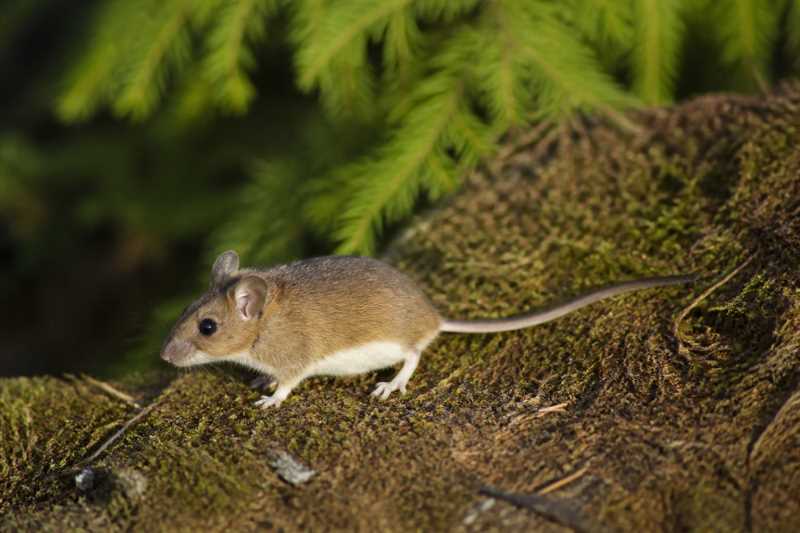
The Transvolcanic Deermouse is a small yet robust rodent, with an average length ranging from 70 to 100 millimeters, excluding its tail, which typically adds an additional 80 to 120 millimeters. Its weight varies between 15 to 25 grams. Characterized by its soft, dense fur, the deermouse exhibits a dorsal coloration that ranges from grayish-brown to dark brown, while its ventral side is predominantly white. This coloration provides excellent camouflage against the forest floor.
The deermouse’s ears are moderately large, facilitating acute hearing essential for detecting predators. Its eyes are notably large and round, adapted for nocturnal activity. The tail is covered with fine hair and is bi-colored, with a darker dorsal side. The Transvolcanic Deermouse also possesses sharp claws and long whiskers, aiding in navigation and foraging in its complex habitat.
Range and Habitat
Peromyscus hylocetes is endemic to Mexico, primarily found in the Transvolcanic Belt, which stretches across central Mexico. This area is characterized by its volcanic origin, resulting in diverse and rich ecosystems. The deermouse inhabits montane forests at elevations of 2,000 to 3,800 meters, thriving in environments that range from pine-oak forests to fir forests.
These forests offer a variety of microhabitats, including fallen logs, dense underbrush, and rocky outcrops, which provide shelter and foraging opportunities. The Transvolcanic Deermouse is highly adaptable, capable of surviving in both primary and secondary forests, though it shows a preference for mature forest stands with a dense canopy cover.
Behavior and Diet
The Transvolcanic Deermouse is primarily nocturnal, with peak activity occurring during the early evening and pre-dawn hours. It is a solitary creature, except during the breeding season, which typically occurs in the spring and fall. This deermouse is known for its agility and ability to climb, utilizing both the forest floor and lower vegetation strata to forage and evade predators.
Its diet is omnivorous, consisting of seeds, fruits, insects, and other small invertebrates. The ability to exploit a wide range of food sources allows it to adapt to seasonal changes in food availability. The deermouse plays a crucial role in seed dispersal, contributing to the maintenance of its forest ecosystem.
Identification Tips (Field Recognition Cues)
Identifying the Transvolcanic Deermouse in the field can be challenging due to its nocturnal habits and resemblance to other Peromyscus species. However, certain features can aid in its identification:
- Size and Proportions: Look for a small rodent with a body length of 70-100 mm and a tail that is longer than its body.
- Coloration: Note the grayish-brown to dark brown dorsal fur and white underbelly, which is distinctive among similar species.
- Tail: The bi-colored tail, darker on the top and lighter underneath, is a key identification feature.
- Behavior: Observe its nocturnal activity and climbing behavior, which can differentiate it from similar ground-dwelling rodents.
Conservation Status (With Threats and Protections)
Currently, the Transvolcanic Deermouse is not listed as threatened or endangered. However, its habitat is under pressure from human activities such as deforestation, agriculture, and urban expansion. These activities lead to habitat fragmentation, which poses a significant threat to its long-term survival.
Conservation efforts are focused on preserving the montane forests of the Transvolcanic Belt, which are also home to many other endemic and endangered species. Protected areas and national parks within this region play a crucial role in safeguarding the deermouse’s habitat. Continued research and monitoring are essential to assess population trends and implement effective conservation strategies.
Frequently Asked Questions
What is the diet of the Transvolcanic Deermouse?
The Transvolcanic Deermouse is an omnivore, feeding on a variety of seeds, fruits, insects, and small invertebrates. Its diet allows it to adapt to seasonal changes in food availability, playing a critical role in seed dispersal within its habitat.
Where can I find the Transvolcanic Deermouse?
This deermouse is primarily found in the Transvolcanic Belt of central Mexico, inhabiting montane forests at elevations of 2,000 to 3,800 meters. It prefers mature forest stands with a dense canopy but can also be found in secondary forests.
How does the Transvolcanic Deermouse contribute to its ecosystem?
The deermouse contributes significantly through seed dispersal, aiding in the regeneration of the forest. Its varied diet also helps control insect populations, maintaining ecological balance.
Is the Transvolcanic Deermouse endangered?
Currently, the Transvolcanic Deermouse is not classified as endangered. However, its habitat is threatened by deforestation and human encroachment, underscoring the need for habitat conservation efforts.
How can I identify the Transvolcanic Deermouse in the wild?
Key identification features include its small size, bi-colored tail, and grayish-brown to dark brown dorsal fur. Observing its nocturnal activity and climbing behavior can also help distinguish it from other similar species.
Related posts