Smoky Pocket Gopher (Cratogeomys fumosus)
Introduction
The Smoky Pocket Gopher (Cratogeomys fumosus) is a fascinating mammal species belonging to the family Geomyidae. Known for their burrowing habits and distinctive physical characteristics, these small mammals play a crucial role in their ecosystem. Despite being relatively unknown compared to other mammalian species, they are a subject of interest for biologists and ecologists due to their unique adaptations and behaviors. In this comprehensive article, we will delve into various aspects of the Smoky Pocket Gopher, including its physical description, habitat, behavior, diet, and conservation status.
Physical Description
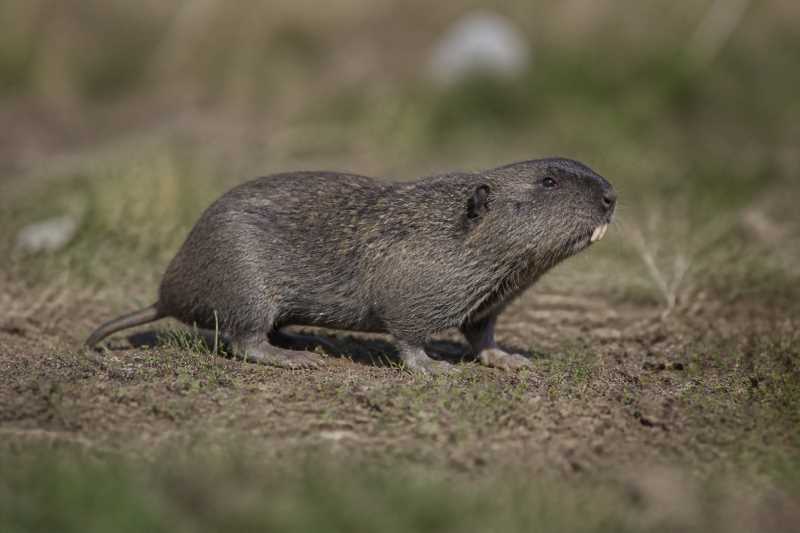
Smoky Pocket Gophers are medium-sized rodents with a robust and cylindrical body, adapted for their subterranean lifestyle. Adult gophers typically measure between 20 to 30 centimeters in length, including their short tail which is about 5 to 10 centimeters long. Their fur is a smoky gray color, which may vary slightly depending on the soil they inhabit, providing them with excellent camouflage.
One of their most noticeable features is their large, powerful forelimbs equipped with strong claws, which they use for digging extensive burrow systems. Their incisor teeth are prominent and ever-growing, allowing them to gnaw through roots and tubers. The eyes and ears of the Smoky Pocket Gopher are relatively small, adaptations that minimize the ingress of soil during digging. They also possess cheek pouches, or pockets, which are used to transport food and nesting materials.
Range and Habitat
The Smoky Pocket Gopher is native to Mexico, where it inhabits a range of environments from lowland areas to mountainous regions. They are primarily found in the central and southern parts of the country, including the states of Puebla, Oaxaca, and Veracruz. These gophers prefer areas with loose, sandy soil that is easy to excavate, such as grasslands, agricultural fields, and open forests.
Their burrow systems are extensive and can have multiple entrances. These burrows serve as protection from predators and extreme weather conditions, as well as storage for food. The complexity of their underground networks also contributes to soil aeration and nutrient cycling, benefiting the surrounding ecosystem.
Behavior and Diet
Smoky Pocket Gophers are solitary and territorial animals. Each individual maintains its own burrow system, which it defends aggressively against intruders. They are primarily nocturnal, spending most of the daylight hours within their burrows and venturing out at night to forage.
Their diet mainly consists of plant material, including roots, tubers, stems, and leaves. They are known to be opportunistic feeders, adjusting their diet based on the availability of food resources. By feeding on plant roots, they inadvertently play a role in controlling vegetation growth and dispersing seeds.
Identification Tips (Field Recognition Cues)
Identifying a Smoky Pocket Gopher in the field can be challenging due to their subterranean lifestyle. However, there are several cues to look out for:
- Burrow Mounds: Look for fresh mounds of soil, which indicate recent digging activity. These are typically fan-shaped and can vary in size.
- Vegetation Strips: Notice areas where vegetation is missing or appears disturbed, as gophers often clip plants at the ground level.
- Footprints and Claw Marks: In soft soil, you may find small footprints or claw marks near burrow entrances.
- Chewed Plant Stems: Evidence of gnawing on plant stems or roots can also suggest the presence of gophers.
Conservation Status (with Threats and Protections)
The Smoky Pocket Gopher is currently listed as a species of Least Concern by the International Union for Conservation of Nature (IUCN). Despite this, they face several threats, primarily due to habitat destruction and agricultural expansion. Urbanization and land conversion for farming have led to the fragmentation of their natural habitats.
While they are not yet considered endangered, local populations may be declining in areas where habitat loss is significant. In some regions, they are also perceived as pests by farmers due to their burrowing activities, which can damage crops and irrigation systems.
Conservation efforts for the Smoky Pocket Gopher focus on habitat preservation and educating the public about their ecological importance. Protected areas and wildlife corridors can help maintain viable populations by ensuring suitable habitats are available.
Frequently Asked Questions
What do Smoky Pocket Gophers eat?
Smoky Pocket Gophers primarily feed on underground plant parts such as roots and tubers. They also consume stems and leaves, adapting their diet to the availability of resources in their habitat.
How do Smoky Pocket Gophers affect their ecosystem?
By digging extensive burrow systems, Smoky Pocket Gophers contribute to soil aeration and nutrient mixing. This activity enhances soil fertility and promotes plant growth, making them important ecosystem engineers.
Are Smoky Pocket Gophers considered pests?
In agricultural settings, Smoky Pocket Gophers may be considered pests due to their burrowing, which can damage crops and irrigation infrastructure. However, they also have positive ecological roles.
How can I identify a Smoky Pocket Gopher in the wild?
Look for signs such as fresh soil mounds, vegetation disturbances, and chewed plant stems. These are indicative of gopher activity in the area.
What conservation efforts are in place for Smoky Pocket Gophers?
Conservation efforts include habitat preservation and public education on their ecological roles. Establishing protected areas can help ensure the survival of their populations.
Related posts