Introduction
The Akaibe’s Forest Shrew, scientifically known as Sylvisorex akaibei, is an elusive mammal species that occupies the dense forests of Central Africa. This shrew species is a part of the Soricidae family, which encompasses a wide variety of small, insect-eating mammals. Despite its inconspicuous nature, the Akaibe’s Forest Shrew plays an integral role in its ecosystem, contributing to the control of insect populations. This article delves into the fascinating aspects of the Akaibe’s Forest Shrew, covering its physical description, habitat, behavior, and conservation status.
Physical Description
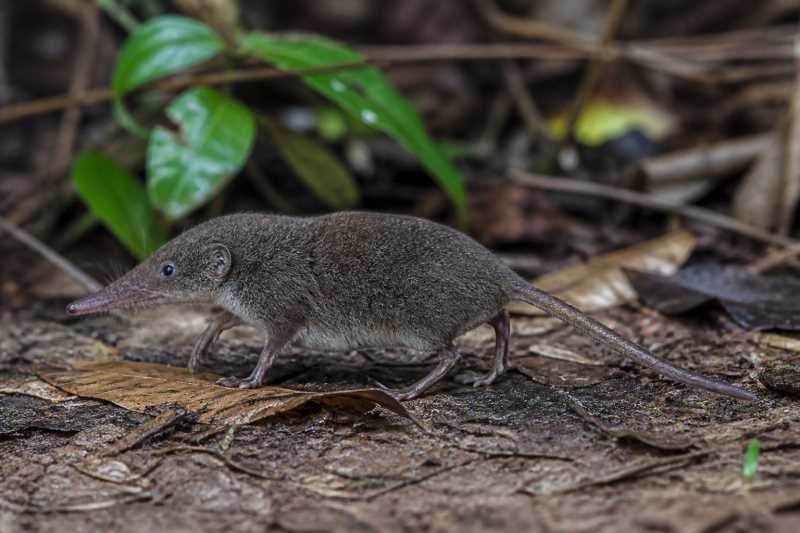
The Akaibe’s Forest Shrew is characterized by its small size and inconspicuous appearance. Typically, adults measure between 50 to 70 millimeters in body length, with a tail that adds an additional 30 to 50 millimeters. Their weight ranges from 5 to 15 grams, making them one of the smaller members of the shrew family.
Their fur is predominantly dark brown, providing excellent camouflage among the forest floor’s leaf litter and undergrowth. The fur is dense and velvety, aiding in moisture retention and protection against the elements. The Akaibe’s Forest Shrew has a pointed snout, a common feature among shrews, which is instrumental in foraging for insects.
Their eyes are small but well-adapted to low-light environments, and their ears are hidden beneath the fur, reducing the risk of injury while navigating through dense vegetation. The limbs are short and equipped with sharp claws, facilitating efficient digging and foraging in the soil.
Range and Habitat
The Akaibe’s Forest Shrew is endemic to the central African region, with confirmed sightings primarily in the Democratic Republic of Congo. They occupy a variety of forest types, ranging from primary rainforest to secondary growth and forest edges. These shrews are notably adaptable, thriving in both lowland and montane forests.
Their habitat preference includes areas with abundant leaf litter and a moist environment, which support a high density of invertebrates serving as their primary food source. The dense canopy and rich understory of these forests offer protection against predators and environmental extremes.
Behavior and Diet
Akaibe’s Forest Shrews are primarily nocturnal, engaging in most of their foraging activities during the night. This behavior reduces competition for food and minimizes exposure to predators. They are solitary animals, with each shrew maintaining a territory that it defends from intruders.
Their diet consists mainly of insects and other small invertebrates. They are voracious eaters, consuming up to twice their body weight in food each day. This high metabolic rate is typical among shrews and necessitates constant foraging.
Shrews use their keen sense of smell and touch to locate prey, often probing the leaf litter and soil with their sensitive snout. Their sharp teeth are adept at capturing and consuming a wide variety of invertebrates, contributing to their role as primary insectivores within their ecosystem.
Identification Tips (Field Recognition Cues)
Identifying the Akaibe’s Forest Shrew in the field can be challenging due to its small size and elusive nature. However, there are several key features to look for:
- Size and Shape: Look for a small, mouse-sized mammal with a pointed snout and short limbs.
- Coloration: Its dark brown fur blends seamlessly with the forest floor, but the velvety texture can be a giveaway.
- Behavior: Observe for quick, darting movements in the underbrush, particularly during dusk and dawn.
- Habitat: Concentrate efforts in dense, moist forest areas with ample leaf litter.
Conservation Status (with Threats and Protections)
As of the latest assessments, the Akaibe’s Forest Shrew is classified as "Data Deficient" on the IUCN Red List. This classification highlights the need for further research to understand the species’ population dynamics, distribution, and threats.
The primary threats to the Akaibe’s Forest Shrew include habitat destruction due to logging, agriculture, and human encroachment. As forests are cleared or degraded, the availability of suitable habitat diminishes, affecting their population stability.
Conservation efforts for the Akaibe’s Forest Shrew focus on habitat preservation and management. Initiatives to protect Central African forests, including establishing protected areas and promoting sustainable land-use practices, are crucial for their survival. Further research is essential to inform conservation strategies and ensure the long-term survival of this species.
Frequently Asked Questions
What is the Akaibe’s Forest Shrew’s primary diet?
The Akaibe’s Forest Shrew primarily feeds on insects and small invertebrates. With a high metabolic rate, these shrews consume up to twice their body weight in food daily, playing a crucial role in controlling insect populations within their habitat.
Where can Akaibe’s Forest Shrews typically be found?
Akaibe’s Forest Shrews are found primarily in the dense forests of the Democratic Republic of Congo. They thrive in both lowland and montane forests, favoring areas with abundant leaf litter and a moist environment.
How does habitat destruction affect Akaibe’s Forest Shrews?
Habitat destruction, including deforestation and land conversion for agriculture, poses a significant threat to Akaibe’s Forest Shrews. Loss of forest habitat reduces their available living space and food resources, potentially leading to population declines.
Why are Akaibe’s Forest Shrews considered important to their ecosystems?
Akaibe’s Forest Shrews are important insectivores in their ecosystems, helping to manage insect populations. This ecological role can influence plant health and nutrient cycling, underscoring their importance in maintaining ecosystem balance.
What conservation measures are in place for the Akaibe’s Forest Shrew?
Conservation measures for the Akaibe’s Forest Shrew focus on habitat protection. Establishing protected areas and promoting sustainable land-use practices are vital strategies. Further research is needed to guide effective conservation planning.
Related posts