Introduction
The Bamenda Forest Shrew, scientifically known as Sylvisorex silvanorum, is a small mammal that inhabits the dense montane forests of Cameroon. This elusive species is part of the Soricidae family, which encompasses a wide variety of shrew species known for their insectivorous diets and extensive ecological roles. Understanding the Bamenda Forest Shrew is crucial for biodiversity conservation efforts in the region, where deforestation and habitat fragmentation pose serious threats.
Physical Description
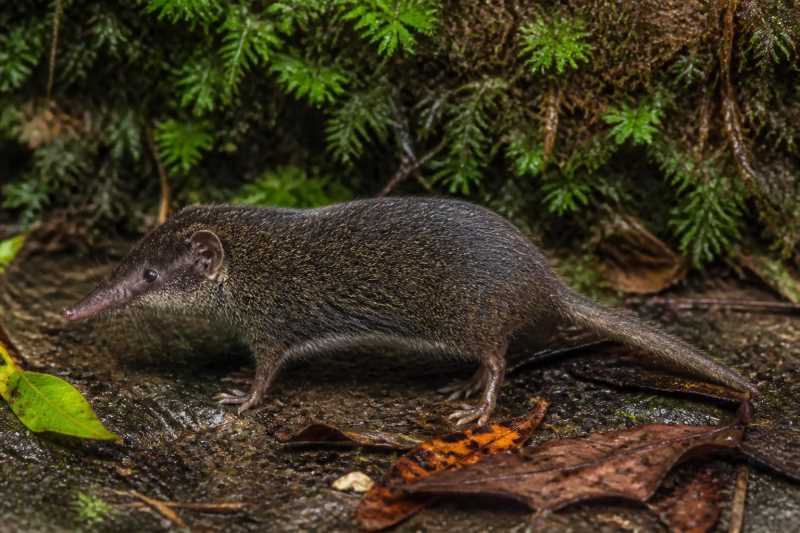
The Bamenda Forest Shrew is characterized by its diminutive size and unique morphological features. Typically, it measures between 7 and 10 centimeters in length, including its tail, and weighs around 10 to 15 grams. Its fur is dense, providing insulation against the cool, damp climate of its montane forest habitat. The coloration is generally a muted brown or gray, helping it blend seamlessly with the forest floor.
One of the distinctive features of the Bamenda Forest Shrew is its elongated snout, which enhances its ability to forage for insects and other small invertebrates. Its teeth are sharp and adapted for an insectivorous diet. The shrew’s small eyes and limited vision are compensated by an acute sense of smell and hearing, which are vital for navigating its environment and locating prey.
Range and Habitat
The Bamenda Forest Shrew is endemic to the Bamenda Highlands of Cameroon, a region renowned for its rich biodiversity and unique ecosystems. These highlands are characterized by montane forest habitats, which provide the essential cover and resources needed for the shrew’s survival.
This species thrives in dense, moist forest environments, where the undergrowth is lush and insect life is abundant. The altitude and climate of the Bamenda Highlands create a unique ecological niche that supports a wide range of endemic species, including the Bamenda Forest Shrew. However, its range is limited, making it particularly vulnerable to changes in its habitat.
Behavior and Diet
Bamenda Forest Shrews are primarily nocturnal, engaging in most of their foraging and other activities under the cover of darkness. This behavior helps them avoid predators and take advantage of the cooler nighttime temperatures. Their diet consists mainly of insects and other small invertebrates, which they hunt using their keen senses.
These shrews are solitary creatures, except during the breeding season when males and females come together to mate. The shrew’s reproductive cycle is not well-documented, but like many small mammals, they likely have several litters per year, with each litter consisting of a few young.
Identification Tips (Field Recognition Cues)
Identifying the Bamenda Forest Shrew in the field can be challenging due to its small size and elusive nature. However, there are several key features to look for:
- Size: Look for a small mammal approximately 7 to 10 centimeters in length.
- Coloration: Note the muted brown or gray fur, which blends with the forest floor.
- Behavior: Observe nocturnal activity patterns and solitary habits.
- Habitat: Focus on montane forest areas within the Bamenda Highlands.
Field researchers often rely on trapping and acoustic monitoring to study these shrews, given their cryptic nature.
Conservation Status (With Threats and Protections)
The Bamenda Forest Shrew is classified as a species of concern due to its limited range and the ongoing threats to its habitat. The primary threat to this species is habitat loss from deforestation and land conversion for agriculture. The Bamenda Highlands are under significant pressure from human activities, leading to fragmentation of the forest ecosystems essential for the shrew’s survival.
Conservation efforts are crucial to protect this species and its habitat. Initiatives include habitat restoration, legal protections for critical areas, and community education programs to promote sustainable land use practices. Scientists and conservationists continue to study the ecology and behavior of the Bamenda Forest Shrew to better inform these efforts.
Frequently Asked Questions
Why is this species unique?
The Bamenda Forest Shrew is unique due to its restricted geographic range and specialized habitat requirements. As an endemic species, it plays a specific ecological role in its montane forest environment.
What are the main threats to the Bamenda Forest Shrew?
The primary threats are habitat loss and fragmentation due to deforestation and agricultural expansion. These activities reduce the available habitat and resources necessary for the shrew’s survival.
How can the Bamenda Forest Shrew be protected?
Protection efforts include habitat restoration, legal protections for critical habitats, and sustainable land use practices. Community education and scientific research are also vital components of conservation strategies.
What does the Bamenda Forest Shrew eat?
The Bamenda Forest Shrew primarily feeds on insects and small invertebrates, utilizing its keen senses to hunt for prey in the dense undergrowth of its forest habitat.
Where can the Bamenda Forest Shrew be found?
This species is found exclusively in the Bamenda Highlands of Cameroon, within dense montane forest ecosystems that provide the necessary cover and resources for its survival.
Related posts