Southeastern Pocket Gopher: A Comprehensive Guide
Introduction
The Southeastern Pocket Gopher, scientifically known as Geomys pinetis, is a fascinating burrowing mammal native to the southeastern United States. Known for its distinctive tunneling habits, this species plays a crucial role in the ecosystem by aerating the soil and influencing plant distribution. Despite its importance, the Southeastern Pocket Gopher faces various threats that have impacted its population. This article aims to provide an in-depth look at this unique mammal, exploring its physical characteristics, habitat, behavior, and conservation status.
Physical Description
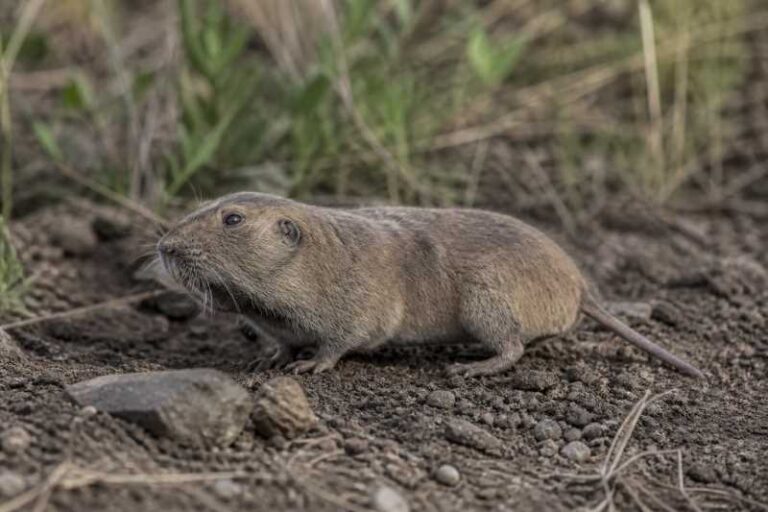
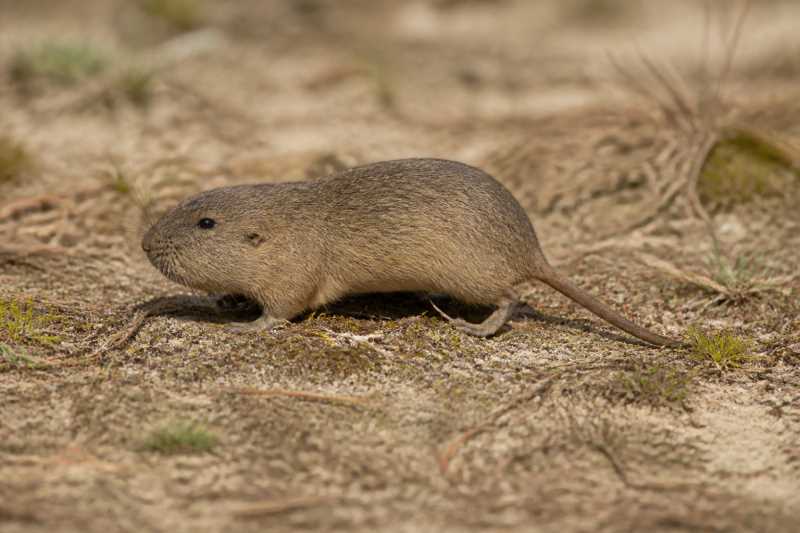
The Southeastern Pocket Gopher is a small to medium-sized rodent characterized by its robust body and powerful forelimbs adapted for digging. Adults typically weigh between 200 to 300 grams and measure around 25 to 30 centimeters in length, including their short tails. Their fur is soft and varies in color from brown to gray, providing excellent camouflage in their sandy habitats. The most distinctive feature of these gophers is their large, fur-lined cheek pouches, or "pockets," which they use to carry food and nesting materials.
Their head is broad and flattened, with small eyes and ears, adaptations that minimize soil intrusion while burrowing. The incisors are long and protrude slightly outside the mouth, aiding in both digging and gnawing. These incisors are continuously growing, allowing the gopher to maintain them through constant use.
Range and Habitat
The Southeastern Pocket Gopher is primarily found in the coastal plains of Alabama, Georgia, and Florida. Their preferred habitat includes well-drained, sandy soils in open pine forests, grasslands, and agricultural fields. These environments provide the ideal conditions for their burrowing lifestyle, which is essential for their survival and daily activities.
Pocket gophers construct extensive tunnel systems that can cover areas of up to 200 square meters. These underground networks consist of multiple chambers used for nesting, food storage, and waste disposal. The gophers spend most of their life underground, rarely venturing to the surface except to dispose of soil or forage for food.
Behavior and Diet
Southeastern Pocket Gophers are solitary and territorial animals. They are primarily nocturnal, although some activity can be observed during the day. Their behavior is centered around maintaining and expanding their burrow systems. Gophers use their strong claws and teeth to excavate soil, creating characteristic mounds at the surface.
Their diet consists mainly of roots, tubers, and bulbs, with a preference for grasses and herbaceous plants. They use their cheek pouches to transport food back to their burrows, where they store it for later consumption. This foraging behavior not only sustains the gopher but also contributes to seed dispersal and soil turnover.
Identification Tips (Field Recognition Cues)
Identifying the Southeastern Pocket Gopher in the field can be challenging due to their subterranean lifestyle. However, several cues can aid in their recognition:
- Burrow Mounds: Look for fresh soil mounds with a distinct fan shape, which are indicative of gopher activity.
- Chewing Marks: Observe vegetation near burrows for signs of gnawing or clipping, a common feeding behavior of gophers.
- Sound: Listen for faint digging noises or vocalizations at dusk or dawn, when gophers are most active.
- Tracks: Examine the soil around burrow entrances for small footprints, though these are rare given their underground lifestyle.
Conservation Status (With Threats and Protections)
The Southeastern Pocket Gopher is currently not listed as endangered, but its populations are vulnerable due to habitat loss and fragmentation. Urban development, agriculture, and forestry practices have significantly reduced the availability of suitable habitats. Additionally, they are sometimes considered pests by landowners, leading to intentional eradication efforts.
Conservation measures are focused on habitat preservation and management. Protecting large tracts of natural pine forests and grasslands is essential to ensure the survival of this species. Education and awareness programs are also crucial in reducing human-wildlife conflicts and promoting coexistence.
Frequently Asked Questions
1. What is the primary diet of the Southeastern Pocket Gopher?
The Southeastern Pocket Gopher primarily feeds on plant roots, tubers, and bulbs. They prefer grasses and herbaceous plants, which they forage underground and store in their burrows.
2. How do Southeastern Pocket Gophers affect their ecosystem?
These gophers play a vital role in their ecosystem by aerating the soil through their burrowing activities. This process enhances soil health and facilitates seed dispersal, benefiting plant diversity and growth.
3. Are Southeastern Pocket Gophers considered pests?
While they contribute positively to ecosystems, Southeastern Pocket Gophers can be considered pests in agricultural areas where they might damage crops. However, educating landowners on their ecological benefits can mitigate negative perceptions.
4. What are the main threats to the Southeastern Pocket Gopher?
The primary threats include habitat loss due to urbanization, agriculture, and forestry activities. Additionally, they face threats from pest control measures implemented by humans.
5. How can people help in conserving the Southeastern Pocket Gopher?
Individuals can contribute by supporting conservation efforts, protecting natural habitats, and participating in educational programs to spread awareness about the ecological importance of these gophers.
Related posts