Tarella White-toothed Shrew: A Comprehensive Guide
Introduction
The Tarella White-toothed Shrew, scientifically known as Crocidura tarella, is a fascinating small mammal that belongs to the family Soricidae. Despite its diminutive size, this shrew plays a crucial role in the ecosystems it inhabits. As a member of the diverse genus Crocidura, the Tarella White-toothed Shrew is one of many white-toothed shrews found across various regions. This article will delve into the physical characteristics, habitat, behavior, and conservation status of this intriguing species, offering a comprehensive understanding for researchers, conservationists, and wildlife enthusiasts alike.
Physical Description
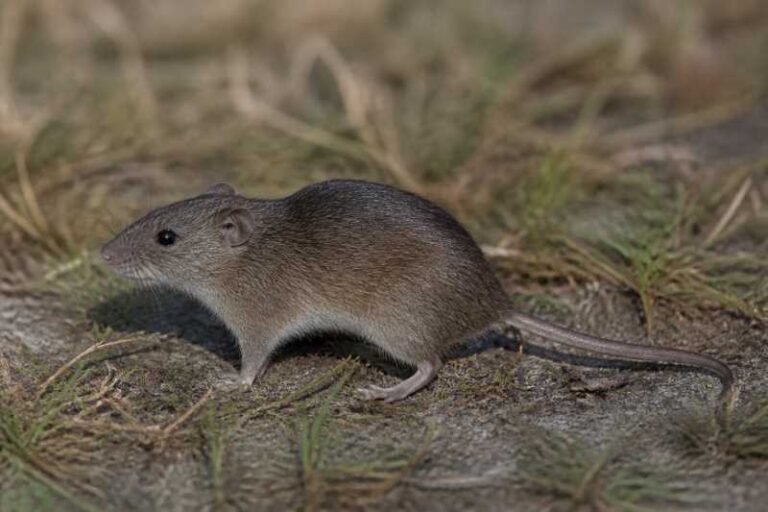
The Tarella White-toothed Shrew is a small mammal with an average body length ranging from 5 to 7 centimeters, excluding the tail, which adds an additional 3 to 4 centimeters. Its weight typically ranges between 5 to 15 grams, making it a lightweight creature. The shrew’s fur is usually a mix of gray and brown, providing effective camouflage in its natural habitat. One of the distinctive features of this species is its white teeth, which, unlike other shrew species, lack iron pigmentation. This characteristic is not only a useful identification marker but also a trait that gives the species its common name.
The shrew’s snout is elongated, enabling it to probe into narrow crevices for food. Its eyes are small, and its ears, although visible, are partially hidden by fur, reducing heat loss and preventing debris from entering. The legs are short, but the feet are adapted for both digging and running swiftly through underbrush.
Range and Habitat
Crocidura tarella is primarily found in subtropical and tropical regions, with its range extending across certain parts of Africa, notably within the eastern and central zones. The species thrives in dense undergrowth of forests, savannas, and even in certain human-modified landscapes like agricultural fields and gardens. Its adaptability to different habitats allows it to occupy a variety of ecological niches, although it prefers areas with abundant leaf litter and moisture, which support its invertebrate prey.
Due to its elusive nature and the dense habitats it frequents, precise data on the exact range of the Tarella White-toothed Shrew remains limited. However, field studies continue to improve our understanding of its distribution and ecological preferences.
Behavior and Diet
The Tarella White-toothed Shrew is a solitary and nocturnal creature, primarily active during the night when it hunts for food. Its diet mainly consists of insects and other small invertebrates, which it captures using its acute sense of smell and touch. Occasionally, it may also feed on small vertebrates and plant matter.
This shrew is known for its high metabolic rate, necessitating frequent feeding to sustain its energy levels. As a result, it spends a significant portion of its active hours foraging and hunting. The shrew employs a combination of stealth and speed to catch prey, and its sharp teeth are effective in subduing even the hard-shelled insects.
Social interactions are minimal, mostly restricted to mating and territorial disputes. The shrew communicates through a series of high-pitched squeaks and scent markings, which help establish territories and identify individuals.
Identification Tips
Identifying the Tarella White-toothed Shrew in the field can be challenging due to its size and elusive nature. However, there are several key features and behaviors that can aid in its identification:
- Size and Coloration: Look for a small mammal with grayish-brown fur and a body length of about 5 to 7 centimeters.
- White Teeth: The absence of iron pigmentation in the teeth is a distinguishing feature.
- Activity Patterns: Active primarily at night, often seen foraging in leaf litter or undergrowth.
- Habitat: Found in subtropical forests, savannas, and areas with dense underbrush.
- Calls: Listen for high-pitched squeaks, especially during dusk and dawn.
Conservation Status
The conservation status of the Tarella White-toothed Shrew is currently not well-documented, primarily due to a lack of comprehensive studies on its population dynamics. However, like many small mammals, it faces threats from habitat destruction, primarily due to deforestation and land conversion for agriculture.
Climate change also poses a potential threat, as alterations in temperature and precipitation patterns could impact the availability of prey and suitable habitats. Predation by domestic animals and accidental poisoning from pesticides used in agriculture are additional threats.
Conservation efforts for the Tarella White-toothed Shrew are not species-specific but are included in broader initiatives aimed at preserving forest ecosystems and biodiversity. Protected areas, reforestation projects, and sustainable land-use practices contribute to safeguarding its habitat.
Frequently Asked Questions
What does the Tarella White-toothed Shrew eat?
The Tarella White-toothed Shrew primarily feeds on insects and other small invertebrates, but it may also consume small vertebrates and plant matter on occasion.
Where can I find the Tarella White-toothed Shrew?
This shrew is found in subtropical and tropical regions of Africa, particularly in dense forests, savannas, and areas with abundant leaf litter.
How can I identify a Tarella White-toothed Shrew in the wild?
Look for a small mammal with grayish-brown fur, a body length of 5 to 7 centimeters, and distinctive white teeth. It is primarily active at night.
Is the Tarella White-toothed Shrew endangered?
The conservation status is not well-documented, but habitat destruction and other threats highlight the need for conservation efforts.
What are the threats to the Tarella White-toothed Shrew?
Major threats include habitat destruction due to deforestation, climate change, predation by domestic animals, and accidental poisoning from pesticides.
Related posts