Introduction
Sclater’s Golden Mole, scientifically known as Chlorotalpa sclateri, is a fascinating mammal species belonging to the family Chrysochloridae. Named after the British zoologist Philip Sclater, this small insectivorous mammal is an integral part of the biodiversity of southern Africa. Despite its elusive nature and subterranean lifestyle, Sclater’s Golden Mole plays a vital role in the ecosystems it inhabits. This article delves into the unique characteristics, habitat preferences, and conservation status of this remarkable species, providing an in-depth look at one of nature’s lesser-known wonders.
Physical Description
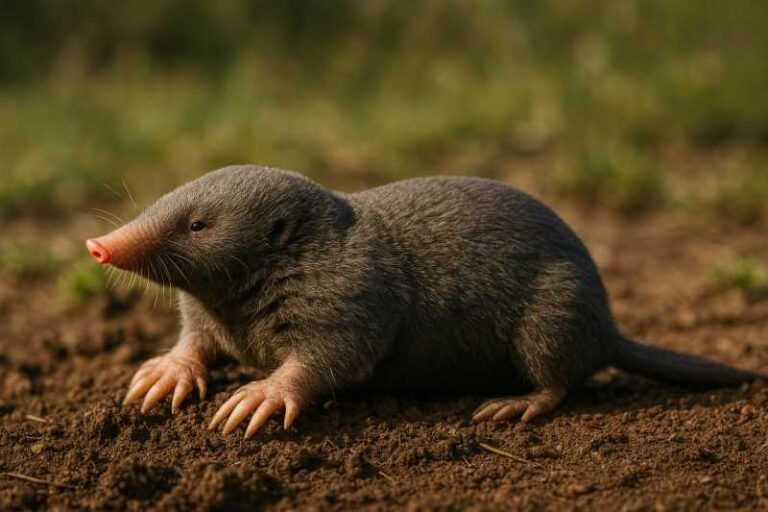
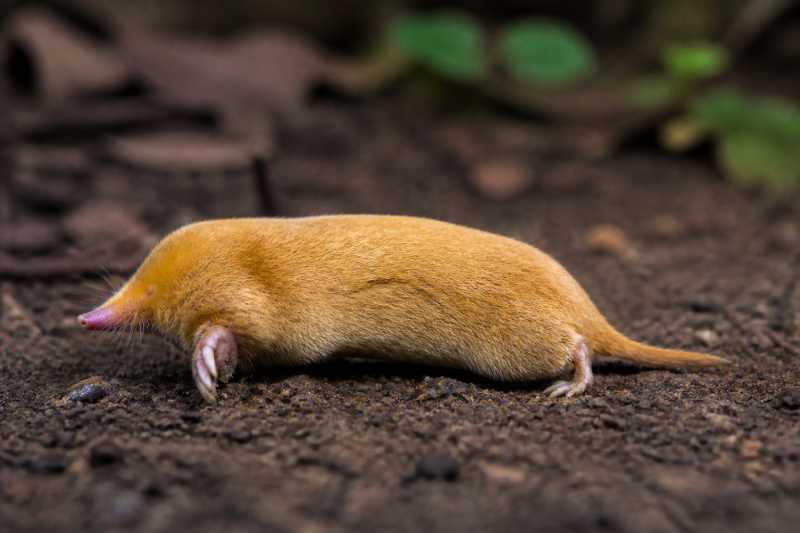
Sclater’s Golden Mole is a small, burrowing mammal with a distinctive appearance that aids in its underground lifestyle. Typically measuring between 10 to 15 centimeters in length and weighing approximately 60 to 120 grams, this species is characterized by its sleek body covered in dense, velvety fur. The fur exhibits a beautiful iridescent sheen, ranging in color from dark brown to golden hues, which is a signature feature of the golden mole family.
Unlike many mammals, Sclater’s Golden Mole lacks external ears and has rudimentary eyes, adaptations that reflect its subterranean existence. These moles are almost blind, relying heavily on their acute sense of touch and hearing to navigate and hunt for prey underground. Their forelimbs are highly specialized for digging, equipped with powerful, spade-like claws that enable them to efficiently burrow through the soil.
Range and Habitat
Sclater’s Golden Mole is endemic to southern Africa, with its range primarily restricted to regions within South Africa and Eswatini. This species favors sandy and loamy soils, which are easier to excavate, and is typically found in grasslands, savannas, and wooded areas. They are often associated with regions that offer a stable moisture content, which is crucial for maintaining the integrity of their burrow systems.
Golden moles are solitary creatures, spending the majority of their lives underground. Their tunnels can extend for several meters and are intricately designed to provide shelter and hunting grounds. The preference for specific soil types and vegetation cover often dictates the distribution and population density of Sclater’s Golden Mole across its range.
Behavior and Diet
Sclater’s Golden Moles are primarily nocturnal and exhibit a fossorial lifestyle, spending most of their time within the safety of their burrows. Their activity patterns are closely linked to environmental conditions, with increased activity observed during cooler, wetter periods when the soil is easier to dig.
The diet of Sclater’s Golden Mole consists mainly of invertebrates, including earthworms, termites, and various insects. They are opportunistic feeders, using their sensitive snouts to detect prey in the soil. Their foraging strategy involves creating shallow tunnels close to the surface to maximize encounters with potential food sources.
Despite their solitary nature, these moles communicate through a series of vocalizations and vibrations, which are believed to play a role in territory establishment and mating.
Identification Tips (Field Recognition Cues)
Identifying Sclater’s Golden Mole in the field can be challenging due to its subterranean lifestyle. However, certain cues can aid in recognition:
- Burrow Signs: Look for small, conical mounds of soil on the surface, which indicate the presence of burrowing activity.
- Fur Sheen: The distinctive iridescent sheen of the mole’s fur is a key identification feature.
- Habitat Preference: Focus on sandy and loamy soil regions within grasslands and savannas.
- Behavioral Patterns: Activity is usually higher during cooler, moist periods, increasing the likelihood of spotting surface disturbances.
Conservation Status (with Threats and Protections)
As of the latest assessments, Sclater’s Golden Mole is listed as "Least Concern" on the IUCN Red List, indicating that it currently faces a relatively low risk of extinction. However, the species is not without threats. Habitat loss due to agricultural expansion, urban development, and mining activities poses significant challenges to its long-term survival. Additionally, climate change impacts, such as altered precipitation patterns, may affect the availability of suitable habitats.
Conservation efforts for Sclater’s Golden Mole focus on habitat preservation and the implementation of sustainable land-use practices. Protected areas within its range, such as national parks and reserves, play a crucial role in safeguarding its habitat. Furthermore, ongoing research and monitoring are essential to understand the species’ ecology and adapt conservation strategies accordingly.
Frequently Asked Questions
What is the primary diet of Sclater’s Golden Mole?
Sclater’s Golden Mole primarily feeds on invertebrates, including earthworms, termites, and various insects. They use their sensitive snouts to detect prey while foraging underground.
How does Sclater’s Golden Mole adapt to its underground lifestyle?
This species has several adaptations for a subterranean existence, including a streamlined body, reduced eyes, and powerful forelimbs with spade-like claws for efficient digging and burrowing.
Where can Sclater’s Golden Mole be found?
Sclater’s Golden Mole is endemic to southern Africa, found specifically in South Africa and Eswatini, favoring sandy and loamy soils in grasslands and savannas.
What are the main threats to Sclater’s Golden Mole?
The primary threats include habitat loss due to agricultural expansion, urban development, and mining activities, as well as potential impacts from climate change.
How can Sclater’s Golden Mole be identified in the wild?
Identification involves looking for burrow signs, such as conical soil mounds, and recognizing the species’ iridescent fur sheen and habitat preferences.
Related posts