Introduction
The Mandarin Vole (Lasiopodomys mandarinus) is a small rodent species belonging to the family Cricetidae. Known for its adaptability and widespread presence in certain regions, this mammal plays a significant role in its ecosystem by influencing soil dynamics and serving as prey for various predators. Despite its seemingly inconspicuous nature, the Mandarin Vole is a subject of interest for many researchers due to its unique behaviors and ecological impacts.
Physical Description
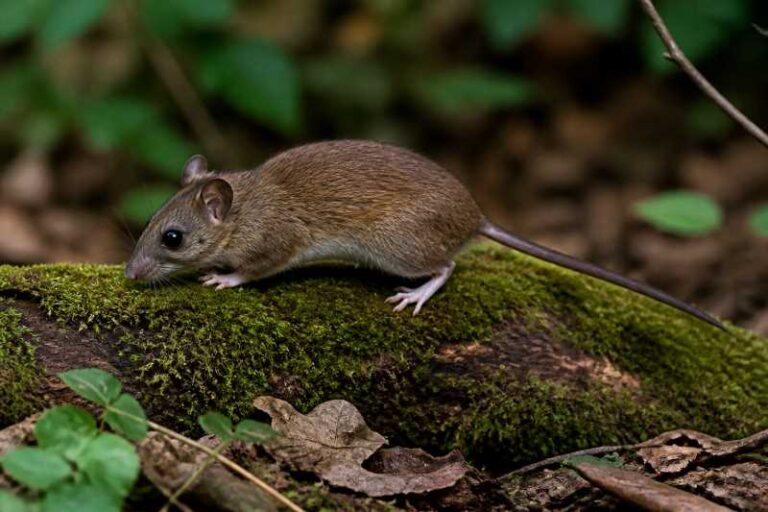
Mandarin Voles are characterized by their compact and robust bodies. They typically measure between 12 to 15 centimeters in length, with a short tail accounting for an additional 3 to 4 centimeters. Their fur is dense and soft, with a coloration that ranges from grayish-brown to a more subdued brown, which aids in camouflaging within their natural habitat. The underparts are usually lighter, often appearing whitish. These voles possess small, rounded ears and a blunt snout, which are common traits among burrowing rodents. Their eyes are relatively small, providing limited vision, which is compensated by their keen sense of smell and touch.
Range and Habitat
The Mandarin Vole is primarily found across parts of East Asia, including China, Mongolia, and Korea. It thrives in grassland ecosystems, often taking residence in meadows, fields, and forest edges where vegetation is abundant. These habitats provide ample food resources and protection from predators. The voles are highly adaptable and can also be found in agricultural areas, where they may inhabit crop fields and orchards. They are proficient burrowers, constructing elaborate underground tunnel systems that offer shelter from environmental extremes and predators.
Behavior and Diet
Mandarin Voles are primarily nocturnal and crepuscular, being most active during the twilight hours. Their social structure is relatively simple, often consisting of small family groups. They communicate through a series of vocalizations and scent markings, which play a crucial role in maintaining social bonds and territorial boundaries. These rodents are herbivorous, feeding on a diet that includes grasses, seeds, tubers, and roots. During the growing season, they store food in their burrows to ensure a continuous supply during the harsher winter months.
Identification Tips (field recognition cues)
Identifying a Mandarin Vole in the field requires careful observation of certain key characteristics. Look for:
- Size and Shape: Small, robust body with a short tail.
- Fur Coloration: Grayish-brown to brown with lighter underparts.
- Ear and Snout Shape: Small, rounded ears and a blunt snout.
- Behavior: Typically nocturnal; look for signs of burrowing and foraging at dawn or dusk.
- Habitat: Presence in grasslands, meadows, and field edges.
Conservation Status (with threats and protections)
The Mandarin Vole is currently listed as a species of Least Concern by the IUCN Red List. Despite its stable population, certain threats could impact its future, including habitat destruction due to agricultural expansion and urban development. In some regions, the use of pesticides poses a significant risk, as it can lead to direct poisoning and a reduction in food availability. To protect this species, conservation efforts focus on preserving natural habitats and promoting sustainable agricultural practices. Protection measures also include monitoring population trends and encouraging research to better understand the ecological role of the Mandarin Vole.
Frequently Asked Questions
What is the lifespan of a Mandarin Vole? Mandarin Voles typically live for about 1 to 2 years in the wild. Their lifespan can be influenced by factors such as predation, food availability, and environmental conditions.
How do Mandarin Voles impact agriculture? While Mandarin Voles can sometimes be considered pests due to their burrowing and foraging habits in crop fields, they also play a positive role by aerating the soil and controlling insect populations.
Are Mandarin Voles solitary or social animals? Mandarin Voles are generally social creatures, often living in small family groups. They communicate through vocalizations and scent markings to maintain social bonds and territories.
How do Mandarin Voles survive the winter? Mandarin Voles prepare for winter by storing food in their burrows during the growing season. Their dense fur also provides insulation against the cold temperatures.
What predators do Mandarin Voles have? Common predators of Mandarin Voles include birds of prey, snakes, and small carnivorous mammals. Their burrowing lifestyle helps them evade many of these threats.
Related posts