Santiago Galapagos Mouse (Nesoryzomys swarthi)
Introduction
The Santiago Galapagos Mouse, scientifically named Nesoryzomys swarthi, is a unique rodent species endemic to the Galapagos Islands. Known for its critical role in the island ecosystem and its distinct traits, this small mammal is a subject of interest for scientists and wildlife enthusiasts alike. Found exclusively on Santiago Island, this species has adapted remarkably to its environment, showcasing the incredible diversity and specialization of Galapagos wildlife. Understanding its characteristics, behavior, and conservation status is crucial for efforts aimed at preserving the rich biodiversity of the Galapagos Islands.
Physical Description
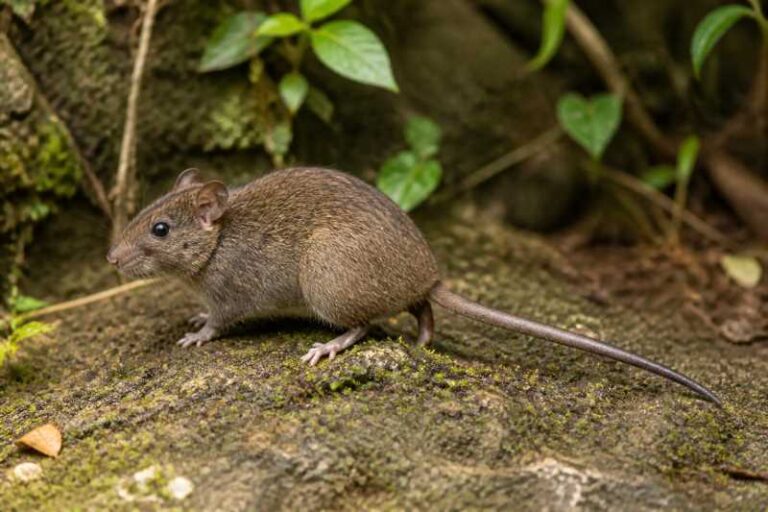
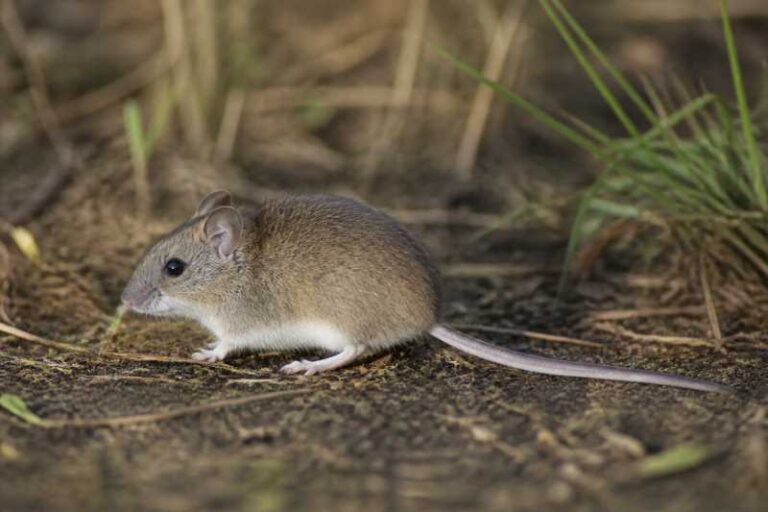
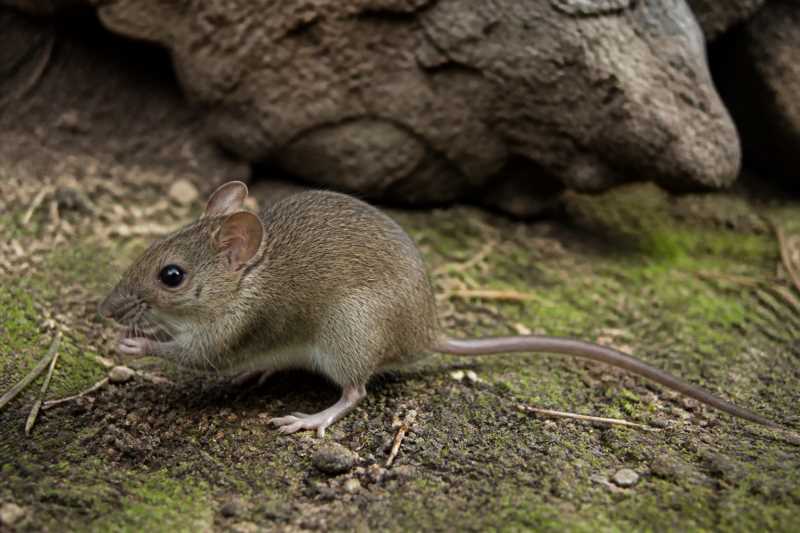
Nesoryzomys swarthi is a small rodent, characterized by its soft fur and relatively large ears. The fur color tends to be a mix of brown and gray, providing excellent camouflage against the rocky and arid landscapes of Santiago Island. Adults typically weigh between 40 to 60 grams and measure about 10 to 15 centimeters in body length, excluding the tail, which can add another 7 to 10 centimeters. The tail is mostly naked, a common trait among rodents adapted to dry environments, aiding in thermoregulation. Its large, dark eyes are well-suited for nocturnal activity, and its sharp claws and strong hind legs enable it to navigate the rugged terrain efficiently.
Range and Habitat
The Santiago Galapagos Mouse is endemic to Santiago Island, one of the central islands in the Galapagos archipelago. Its habitat primarily consists of arid zones with sparse vegetation, rocky outcrops, and dry scrublands. The island’s unique geological formations and climatic conditions provide a challenging yet suitable habitat for this species. The mouse has adapted to the limited water resources by obtaining moisture from its food and utilizing the scant vegetation for shelter and nesting.
Behavior and Diet
Nesoryzomys swarthi is primarily nocturnal, spending the daytime hours in burrows or under cover to avoid predators and the harsh midday heat. As an omnivore, its diet is diverse, including seeds, fruits, insects, and occasionally carrion. This varied diet is crucial for survival in the fluctuating conditions of the Galapagos Islands. The mouse plays a pivotal role in seed dispersal, aiding in the maintenance and regeneration of the island’s plant life.
Socially, these mice are relatively solitary but may form small family groups. They communicate through a series of vocalizations and scent markings, which help establish territory and attract mates. Breeding occurs throughout the year, with females capable of producing several litters annually, each consisting of 2 to 5 young.
Identification Tips (Field Recognition Cues)
Identifying the Santiago Galapagos Mouse in the field involves noting several key characteristics:
- Size and Shape: Look for a small rodent with a body length of 10 to 15 centimeters, excluding the tail.
- Coloration: Observe the brown and gray mottled fur that provides camouflage against the rocky backdrop.
- Tail: Note the long, mostly naked tail, which is a distinguishing feature.
- Behavior: These mice are most active at night, so sightings are more common during dusk or dawn.
- Habitat: Focus on arid, rocky areas of Santiago Island where they are most likely to be found.
Conservation Status (with Threats and Protections)
The Santiago Galapagos Mouse is classified as Critically Endangered on the IUCN Red List. The primary threats to its survival include habitat destruction and introduced species, such as rats and cats, which prey on these native rodents or compete for resources. Additionally, human activities and climate change pose ongoing challenges to their habitat.
Conservation efforts are in place to protect this species, including habitat restoration and the control or eradication of invasive species. The Galapagos National Park and various conservation organizations are actively working to monitor populations, protect habitats, and educate the public about the importance of preserving this unique species.
Frequently Asked Questions
What is the Santiago Galapagos Mouse?
The Santiago Galapagos Mouse, Nesoryzomys swarthi, is a small rodent endemic to Santiago Island in the Galapagos. It plays a critical role in the island’s ecosystem, primarily through seed dispersal.
Where can I find the Santiago Galapagos Mouse?
This species is exclusively found on Santiago Island in the Galapagos archipelago, typically inhabiting arid, rocky areas with sparse vegetation.
Why is the Santiago Galapagos Mouse endangered?
The primary threats include habitat destruction, competition, and predation from invasive species such as rats and cats, as well as other environmental changes.
How does the Santiago Galapagos Mouse contribute to its ecosystem?
The mouse aids in seed dispersal, helping to regenerate and maintain plant life on Santiago Island, which is vital for the overall health of the ecosystem.
What efforts are being made to conserve the Santiago Galapagos Mouse?
Conservation efforts include habitat restoration, invasive species control, and monitoring by organizations like the Galapagos National Park.
Related posts