Introduction
Keays’s Rice Rat, scientifically known as Nephelomys keaysi, is a fascinating member of the Cricetidae family, which encompasses a wide array of rodent species. This elusive mammal is often overshadowed by more commonly known rodents, yet it plays a crucial role in the ecosystems it inhabits. Understanding its characteristics, habitat, and conservation status provides insight into the biodiversity of the regions it calls home.
Physical Description
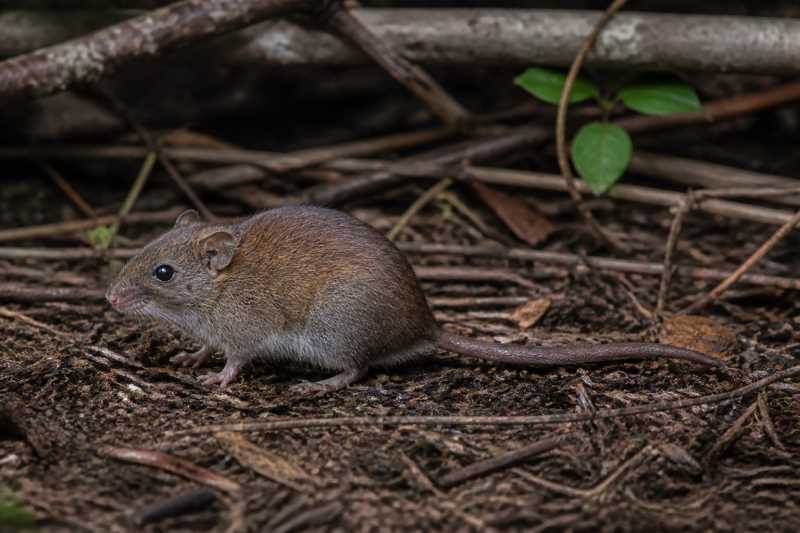
Nephelomys keaysi is a medium-sized rodent, often characterized by its soft, dense fur that ranges in color from pale brown to a rich, tawny hue. This variation in coloration provides excellent camouflage within its natural habitat. The species typically exhibits a lighter underbelly, which contrasts with its darker dorsal side. Adult Keays’s Rice Rats measure approximately 15 to 20 centimeters in body length, with a tail that extends an additional 12 to 18 centimeters, aiding in balance and agility. Their ears are small and rounded, while their eyes are relatively large, adaptations that enhance their nocturnal lifestyle.
Range and Habitat
The distribution of Keays’s Rice Rat is primarily confined to the Andean regions of South America. These rodents are known to inhabit altitudes ranging from 1,000 to 3,500 meters, thriving in cloud forests and montane environments. They prefer moist, dense undergrowth where they can easily find cover from predators. The natural habitat of Nephelomys keaysi is often characterized by a rich diversity of plant life, providing ample food resources and nesting materials.
Behavior and Diet
Keays’s Rice Rat is predominantly nocturnal, spending the daylight hours concealed within the forest underbrush. Their behavior is largely solitary, although they may occasionally be seen foraging in small groups. Their diet is omnivorous, consisting of a variety of plant materials such as seeds, fruits, and leaves, supplemented by insects and small invertebrates. This dietary flexibility allows them to adapt to seasonal changes in food availability.
Identification Tips (Field Recognition Cues)
Identifying Keays’s Rice Rat in the wild can be challenging due to its elusive nature and the dense habitats it occupies. However, there are key characteristics to look for:
- Coloration: Look for the distinctive two-toned fur, with a darker back and lighter belly.
- Size: Notice the medium size, with a body length of approximately 15 to 20 centimeters.
- Tail: The tail is relatively long, aiding in their arboreal escapades.
- Habitat: They are often found in dense, moist forest environments at high altitudes.
Conservation Status (With Threats and Protections)
Currently, Keays’s Rice Rat is classified as Least Concern on the IUCN Red List, indicating that it faces no immediate threat of extinction. However, its population is susceptible to pressures from habitat destruction due to agricultural expansion and deforestation in Andean regions. The conservation of this species is intrinsically linked to the preservation of its natural habitat, underscoring the importance of sustainable land management practices.
Frequently Asked Questions
Why is this species unique?
Keays’s Rice Rat is unique due to its adaptation to high-altitude Andean environments. Its ability to thrive in such specific ecological niches makes it an important indicator of environmental health in these regions.
What role does it play in the ecosystem?
As an omnivore, Nephelomys keaysi plays a critical role in seed dispersion and insect population control, contributing to the ecological balance within its habitat.
Are they commonly seen by humans?
Due to their nocturnal and reclusive nature, Keays’s Rice Rats are rarely seen by humans, making field studies and sightings a challenge for researchers.
How can conservation efforts help?
Conservation efforts focused on habitat preservation and sustainable land use are vital in ensuring the survival of Keays’s Rice Rat populations in the wild.
Related posts