Introduction
The Small-eared Pygmy Rice Rat (Oligoryzomys microtis) is a fascinating mammal species belonging to the Cricetidae family. These small rodents are primarily found in South America and are known for their adaptability to various environmental conditions. While often overlooked due to their diminutive size and obscure habitat, they play a significant role in the ecosystem as seed dispersers and prey for numerous predators.
This comprehensive article delves into the unique characteristics, habitat, behavior, and conservation status of the Small-eared Pygmy Rice Rat. Whether you’re a wildlife enthusiast or a researcher, this guide offers valuable insights into understanding and identifying this elusive creature.
Physical Description
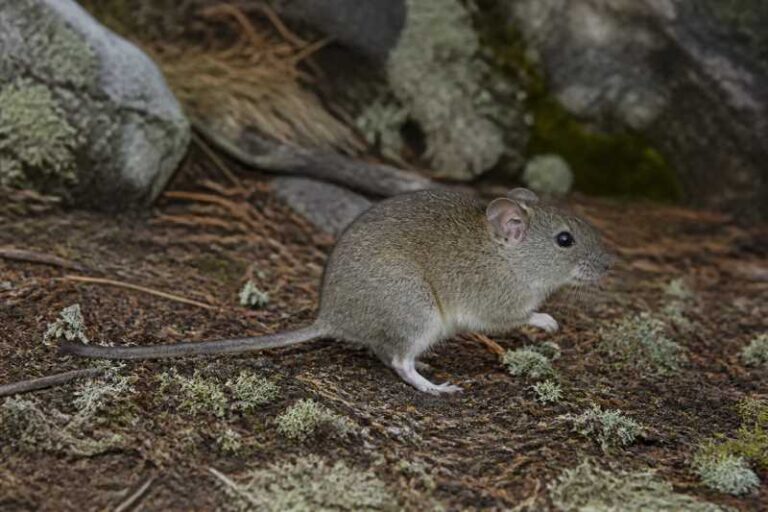
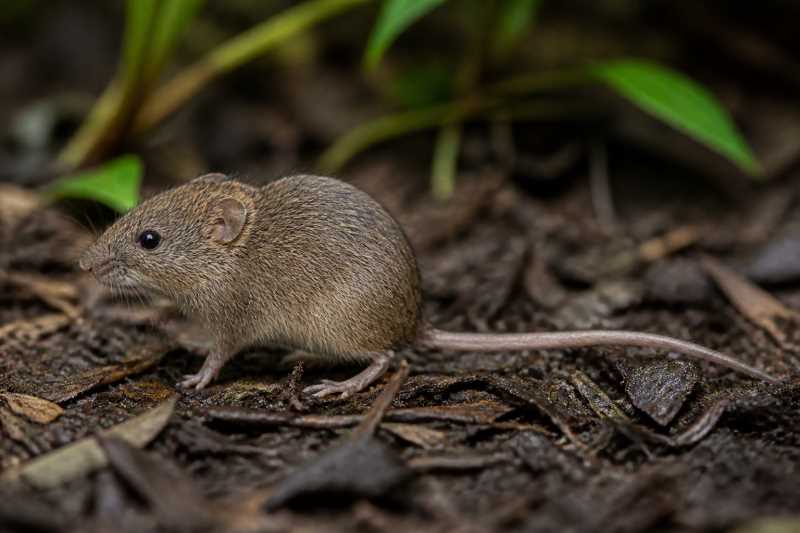
The Small-eared Pygmy Rice Rat is aptly named for its small ears, which are less conspicuous compared to other rat species. These rodents typically measure between 10 to 15 centimeters in length, including their tail, which is almost as long as their body. Adult individuals weigh approximately 15 to 25 grams, making them one of the smaller members of the Oligoryzomys genus.
Their fur is soft and short, usually exhibiting a brownish-gray coloration on the dorsal side, which helps them blend into their natural habitat. The ventral side is lighter, often appearing white or light gray. This coloration serves as an effective camouflage against predators in their environment.
The head of the Small-eared Pygmy Rice Rat is relatively small, with a pointed snout and prominent whiskers that aid in navigation and foraging. Their eyes are small but adapted for low-light conditions, which is beneficial for their nocturnal lifestyle.
Range and Habitat
The distribution of the Small-eared Pygmy Rice Rat spans several South American countries, including Bolivia, Brazil, Peru, and Ecuador. These rodents are commonly found in a variety of habitats ranging from tropical rainforests to savannas and even agricultural areas. Their adaptability allows them to thrive in both lowland and montane regions up to 3,000 meters above sea level.
They predominantly inhabit areas with dense vegetation, such as forest underbrush and grasslands, where they can easily conceal themselves from predators. The presence of water bodies, like rivers and streams, is also a common feature of their habitat, providing a reliable water source and influencing their distribution.
Behavior and Diet
Small-eared Pygmy Rice Rats are nocturnal animals, primarily active during the night. This behavior helps them avoid diurnal predators and exploit food resources with less competition. They are solitary creatures, with each individual maintaining its own territory.
Their diet is omnivorous, consisting mainly of seeds, fruits, insects, and small invertebrates. They are known for their role as seed dispersers, aiding in the regeneration of plants within their ecosystem. This dietary flexibility allows them to adapt to seasonal changes in food availability, ensuring their survival in diverse habitats.
Identification Tips (Field Recognition Cues)
Identifying the Small-eared Pygmy Rice Rat in the field requires attention to several distinct features:
- Size and Proportions: Note the small size, with a total length of 10 to 15 cm, including the tail.
- Fur Coloration: Look for the brownish-gray dorsal fur and lighter ventral side.
- Ear Size: Small ears compared to other rice rat species.
- Tail Length: The tail is nearly as long as the body, covered in fine hair.
- Behavior: Observing nocturnal activity patterns can also be a clue.
Conservation Status (with Threats and Protections)
The Small-eared Pygmy Rice Rat is currently classified as a species of Least Concern by the International Union for Conservation of Nature (IUCN). This classification is due to their wide distribution and presumed large population. However, like many other wildlife species, they face several threats that could impact their numbers.
Threats:
- Habitat Destruction: Deforestation for agriculture and urban development poses a significant threat to their natural habitats.
- Pollution: Contamination of water bodies and soil from agricultural runoff can adversely affect their health and food sources.
- Climate Change: Alterations in weather patterns may disrupt their habitat and food availability.
Protections:
- Protected Areas: Some populations reside within national parks and reserves, offering them a degree of protection from habitat destruction.
- Research Initiatives: Ongoing studies and monitoring programs help in understanding their ecology and formulating conservation strategies.
Frequently Asked Questions
What is the primary habitat of the Small-eared Pygmy Rice Rat?
The Small-eared Pygmy Rice Rat primarily inhabits tropical rainforests, savannas, and areas with dense vegetation. They are adaptable and can also be found in agricultural areas.
How can I identify a Small-eared Pygmy Rice Rat in the wild?
Key identification features include their small size, brownish-gray dorsal fur, small ears, and a long tail almost equal to the body length. Nocturnal activity is also a behavioral cue.
Are Small-eared Pygmy Rice Rats endangered?
No, they are classified as Least Concern by the IUCN due to their wide distribution and large population. However, habitat destruction and pollution are potential threats.
What do Small-eared Pygmy Rice Rats eat?
Their diet includes seeds, fruits, insects, and small invertebrates. They are omnivorous and play a role as seed dispersers in their ecosystem.
How do Small-eared Pygmy Rice Rats contribute to the ecosystem?
They contribute by dispersing seeds, which aids in plant regeneration, and serve as prey for various predators, maintaining the ecological balance.
Related posts