Introduction
The Zena Brush-furred Rat, scientifically known as Lophuromys zena, is a fascinating rodent species that has captured the interest of mammalogists and wildlife enthusiasts alike. This unique mammal is part of the Muridae family, which includes various species commonly referred to as brush-furred rats, named for their distinctive fur texture. Despite its modest size, the Zena Brush-furred Rat plays a vital role in its ecosystem, contributing to seed dispersal and serving as prey for larger predators. This article delves into the various aspects of this intriguing species, from its physical characteristics to its habitat preferences, behavior, and conservation status.
Physical Description
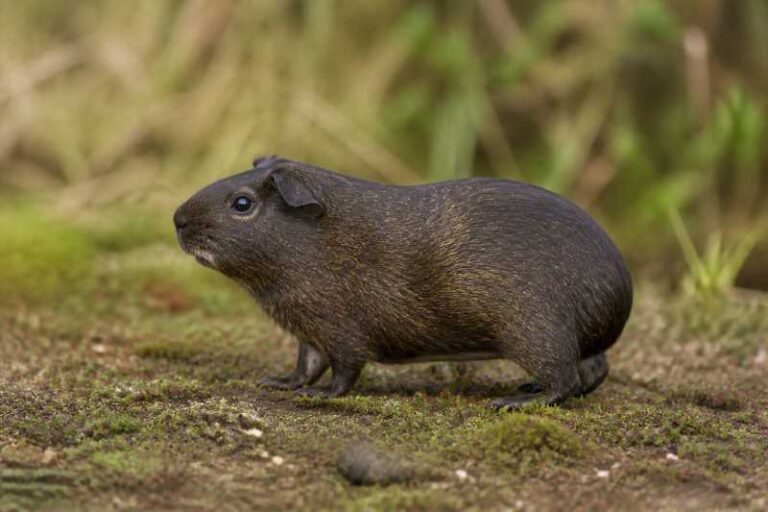
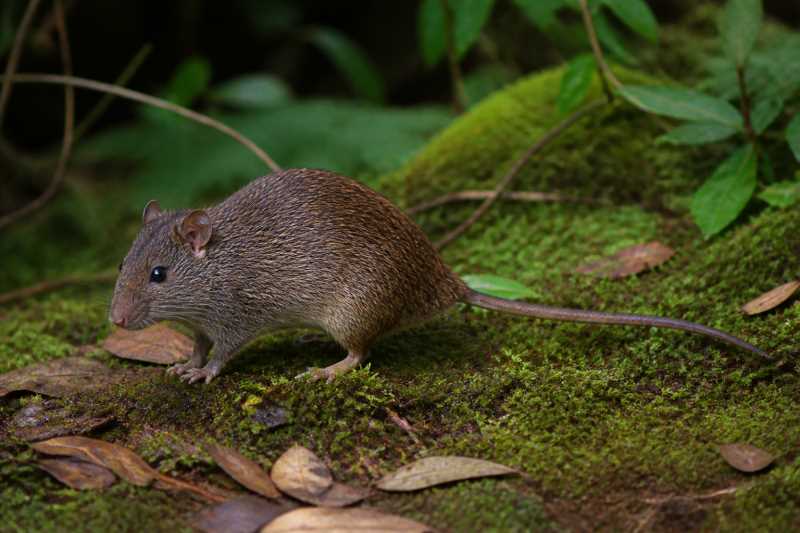
The Zena Brush-furred Rat is characterized by its robust body and distinctive fur, which appears bristly and dense, providing its namesake brush-like appearance. The fur is typically a mottled mixture of brown and gray hues, offering excellent camouflage against the forest floor and underbrush. This species has a relatively short tail compared to other rodents, which is often less than half the length of its body. The tail is also covered in fine hairs that enhance its tactile sensation.
On average, adults weigh between 40 to 60 grams and measure approximately 12 to 18 centimeters in body length. Their ears are rounded and covered with fine hair, while their eyes are large and adapted for nocturnal activity, allowing them to see well in low-light conditions. The Zena Brush-furred Rat has strong, sharp claws and robust limbs, which are well-suited for digging and climbing.
Range and Habitat
The Zena Brush-furred Rat is primarily found in the highland regions of Ethiopia, inhabiting areas that are typically cooler and more humid than the lowlands. Its range is largely confined to montane forests and grasslands, where it can take advantage of the dense vegetation for cover and nesting. This species thrives in areas with abundant undergrowth, fallen logs, and rocky outcrops, which provide both protection from predators and a rich source of food.
The elevation range for this species typically spans from 1,500 to 3,000 meters above sea level, where it experiences a temperate climate with distinct wet and dry seasons. During the wet season, the availability of water and food resources increases, which is crucial for the breeding success of the Zena Brush-furred Rat.
Behavior and Diet
The Zena Brush-furred Rat is primarily nocturnal, foraging for food under the cover of darkness. Its diet is omnivorous, consisting of seeds, fruits, insects, and small invertebrates. This diverse diet helps the species to adapt to seasonal changes in food availability. During the dry season, when fruits and insects are less abundant, the rat relies more heavily on seeds and other plant materials.
Socially, the Zena Brush-furred Rat is relatively solitary, although individuals may be seen foraging in proximity to each other, especially in areas with abundant resources. They communicate through a series of high-pitched squeaks and scent markings, which help to establish territories and identify potential mates. Breeding occurs mainly during the wet season, and females give birth to litters of 2-4 young after a short gestation period.
Identification Tips
Identifying the Zena Brush-furred Rat in the field requires careful observation of several key characteristics:
- Fur Texture: Look for the distinctive brush-like fur that is denser and more textured than in other rodent species.
- Tail Length: Note the relatively short tail, which is less than half the length of the body, covered in fine hairs.
- Ear Shape: Observe the rounded ears, which are a distinct feature compared to the more pointed ears of similar species.
- Coloration: The mottled brown and gray coloration helps it blend into its surroundings but is a reliable identification cue when visible.
- Habitat: Presence in montane forest or grassland habitats at elevations between 1,500 and 3,000 meters can also help confirm identification.
Conservation Status
Currently, the Zena Brush-furred Rat is classified as Least Concern by the International Union for Conservation of Nature (IUCN). However, this does not imply that the species faces no threats. Habitat destruction due to agriculture expansion, logging, and human settlement poses significant risks. Additionally, climate change impacts could alter its highland habitats, potentially leading to habitat loss and fragmentation.
Despite these threats, the Zena Brush-furred Rat benefits from living in some protected areas, such as national parks and wildlife reserves in Ethiopia. Conservation efforts aimed at preserving montane forest habitats are crucial for the long-term survival of this species. Moreover, increased research and monitoring are needed to better understand its population dynamics and ecological requirements.
Frequently Asked Questions
1. What is the habitat range of the Zena Brush-furred Rat?
The Zena Brush-furred Rat is predominantly found in the highland regions of Ethiopia, inhabiting montane forests and grasslands at elevations between 1,500 to 3,000 meters.
2. How can you identify a Zena Brush-furred Rat?
Identification can be made by observing its dense, brush-like fur, short tail, rounded ears, and mottled brown and gray coloration. Its presence in highland habitats also aids identification.
3. What threats does the Zena Brush-furred Rat face?
The primary threats include habitat destruction due to agricultural expansion, logging, and climate change impacts that could alter its highland forest habitats.
4. Is the Zena Brush-furred Rat endangered?
Currently, the Zena Brush-furred Rat is not endangered and is classified as Least Concern. However, ongoing habitat loss and environmental changes could impact its status in the future.
5. What does the Zena Brush-furred Rat eat?
Its diet is omnivorous, consisting of seeds, fruits, insects, and small invertebrates, allowing it to adapt to seasonal food availability changes.
Related posts