Introduction
The Luzon White-toothed Shrew, scientifically known as Crocidura grayi, is a fascinating mammal species that belongs to the Soricidae family. This small, insectivorous creature is endemic to the island of Luzon in the Philippines, where it plays a vital role in the ecosystem. Despite its diminutive size, the Luzon White-toothed Shrew is an impressive predator with a voracious appetite for insects and other small invertebrates. In this article, we delve into the physical characteristics, habitat, behavior, and conservation status of this intriguing species.
Physical Description
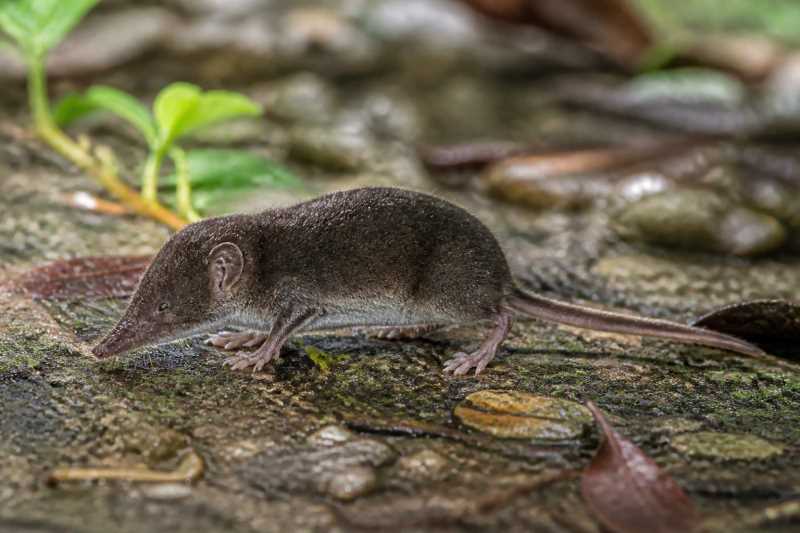
The Luzon White-toothed Shrew is a small mammal, typically measuring between 5 to 7 centimeters in body length, with a tail that adds an additional 3 to 4 centimeters. This shrew species is characterized by its soft, dense fur, which is usually dark gray to brown in coloration, providing excellent camouflage in its natural habitat. As its name suggests, the Luzon White-toothed Shrew has notably white teeth, a distinguishing feature among the Crocidura genus. These teeth are not only for feeding but also play a crucial role in its survival, as they are adapted to efficiently consume a variety of insects and small invertebrates.
Their eyes and ears are relatively small, an adaptation to their burrowing and nocturnal lifestyle. The shrew’s snout is elongated, aiding in the detection and capture of prey. Their limbs are short yet strong, allowing for quick movements through the dense undergrowth of their forest habitats.
Range and Habitat
The Luzon White-toothed Shrew is endemic to Luzon, the largest island in the Philippines. This shrew primarily inhabits montane forests, where it thrives in the cool, moist environment. The dense canopy and rich leaf litter provide ample cover and foraging opportunities. Elevations ranging from 500 to 2,500 meters above sea level are common for these shrews, where they can avoid the higher temperatures and drier conditions found at lower altitudes.
These forests offer a complex ecosystem that supports a diverse array of species. The Luzon White-toothed Shrew is an integral component of this system, contributing to the control of insect populations and serving as prey for larger predators.
Behavior and Diet
The Luzon White-toothed Shrew is primarily nocturnal, with most of its activity occurring during the night. This behavior helps it avoid many diurnal predators and the heat of the day. Shrews are known for their high metabolic rates, requiring frequent feeding to sustain their energy levels. The diet of the Luzon White-toothed Shrew consists mainly of insects, spiders, and other small invertebrates, which they locate using their keen sense of smell and hearing.
These shrews are solitary creatures, with individuals maintaining small territories that they defend against intruders. Communication between shrews is primarily through scent markings and vocalizations, which are used to establish territory and attract mates during the breeding season.
Identification Tips (Field Recognition Cues)
Identifying the Luzon White-toothed Shrew in the field can be challenging due to its small size and elusive nature. However, certain cues can aid in its recognition:
- Size and Shape: Look for a small, mouse-sized mammal with an elongated snout and short limbs.
- Coloration: The shrew’s fur is typically dark gray or brown, providing camouflage in forest environments.
- Teeth: If observed closely, the shrew’s white teeth can be a distinguishing feature.
- Behavior: Look for rapid, scurrying movements, often at night, as they forage for food.
- Habitat: Concentrate searches in montane forest areas with dense undergrowth.
Conservation Status (With Threats and Protections)
The Luzon White-toothed Shrew is currently classified as "Least Concern" by the International Union for Conservation of Nature (IUCN). However, like many species endemic to the Philippines, it faces potential threats from habitat loss and degradation, primarily due to logging and agricultural expansion. Additionally, climate change poses a long-term threat by altering the montane ecosystems on which these shrews depend.
Conservation efforts for the Luzon White-toothed Shrew include habitat protection and management, particularly in protected areas and national parks. Efforts to combat deforestation and promote sustainable land-use practices are crucial in safeguarding its habitat. Continued research and monitoring are necessary to ensure the long-term survival of this species.
Frequently Asked Questions
1. What do Luzon White-toothed Shrews eat?
Luzon White-toothed Shrews primarily feed on insects, spiders, and other small invertebrates. They have a high metabolic rate and require frequent feeding to sustain their energy levels.
2. Where can I find a Luzon White-toothed Shrew?
These shrews are found on the island of Luzon in the Philippines, particularly in montane forest habitats at elevations between 500 and 2,500 meters.
3. Are Luzon White-toothed Shrews endangered?
No, as of now, the Luzon White-toothed Shrew is classified as "Least Concern" by the IUCN, although it faces threats from habitat loss and climate change.
4. How do Luzon White-toothed Shrews communicate?
Shrews communicate through scent markings and vocalizations, which are used for establishing territory and attracting mates.
5. What is unique about the Luzon White-toothed Shrew?
One unique feature is its white teeth, which are distinctive among shrew species in the Crocidura genus. Additionally, their role in controlling insect populations is ecologically significant.
Related posts