Introduction
The Pygmy Fruit-eating Bat, scientifically known as Dermanura phaeotis, is a small but fascinating member of the mammalian family Phyllostomidae, commonly referred to as leaf-nosed bats. These bats play a crucial role in their ecosystems through seed dispersal and pollination, making them vital for the health of tropical and subtropical habitats. Despite their small size, their ecological impact is significant, and understanding their behavior, habitat, and conservation status is essential for preserving biodiversity. This article delves into the various aspects of the Pygmy Fruit-eating Bat, from its physical characteristics to its role in the ecosystem, and offers insights into how this species can be identified in the field.
Physical Description
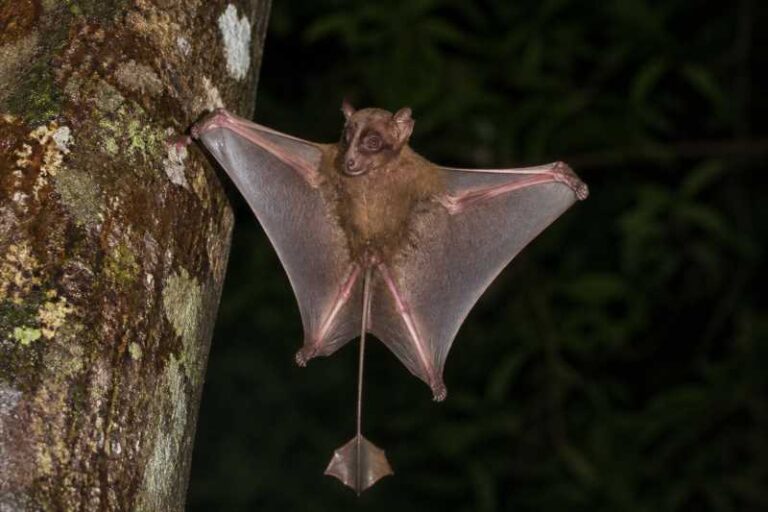
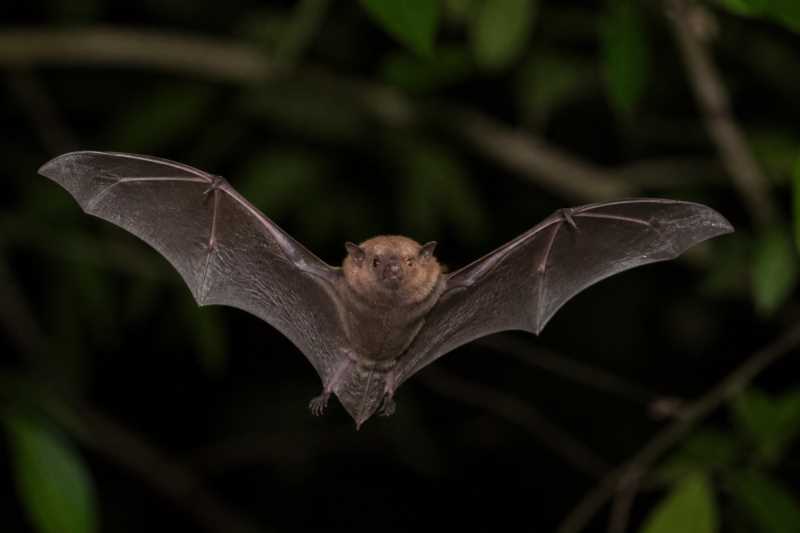
The Pygmy Fruit-eating Bat is aptly named for its diminutive size. Adults typically weigh between 8 to 12 grams, with a wingspan ranging from 28 to 32 centimeters. Their fur is generally a soft grayish-brown, providing excellent camouflage against the bark and leaves of trees. One of the distinctive features of Dermanura phaeotis is its leaf-shaped nose, a characteristic trait of the Phyllostomidae family. This nose structure is believed to aid in echolocation, allowing these bats to navigate and locate food with remarkable precision.
Their ears are relatively small and rounded, and they possess a short, broad skull, which supports their frugivorous diet. The dental structure of these bats is adapted for a fruit-based diet, with sharp canines and strong molars that can efficiently process various fruits.
Range and Habitat
Dermanura phaeotis is found primarily in Central America, with its range extending from southern Mexico through Central American countries such as Belize, Guatemala, Honduras, Nicaragua, Costa Rica, and into Panama. These bats favor tropical and subtropical forests, thriving in lowland areas and occasionally venturing into montane regions up to 1,500 meters above sea level.
Their habitat preference is closely tied to the availability of fruiting trees, which provide both food and roosting sites. Pygmy Fruit-eating Bats are also known to inhabit secondary forests, demonstrating some adaptability to human-altered landscapes, although they prefer undisturbed areas where food sources are abundant.
Behavior and Diet
Pygmy Fruit-eating Bats are nocturnal creatures, spending their nights foraging for food and their daylight hours resting in roosts. These roosts can be found in tree hollows, under large leaves, or in man-made structures such as buildings or caves. They are highly social animals, often roosting in small groups that facilitate warmth and protection from predators.
Their diet primarily consists of fruit, with figs being a particular favorite. They play a significant role in seed dispersal, as the seeds of the fruits they consume often pass through their digestive system and are deposited across vast areas, supporting forest regeneration and plant diversity.
In addition to fruit, these bats may occasionally consume nectar and insects, especially when their preferred fruit is scarce. This dietary flexibility helps them survive in varied environmental conditions.
Identification Tips (Field Recognition Cues)
Identifying the Pygmy Fruit-eating Bat in the field requires careful observation of several key characteristics:
- Size and Shape: Look for a small bat with a wingspan of around 30 centimeters. Their compact body size is a distinguishing feature.
- Fur Color: Note the soft grayish-brown fur, which blends well with tree bark. This coloration is a useful camouflage adaptation.
- Nose Leaf: The distinctive leaf-shaped nose is a giveaway for the Phyllostomidae family. This feature, along with their small rounded ears, helps in identifying them.
- Roosting Behavior: Observe their roosting habits. They tend to roost in groups under large leaves or in tree hollows.
- Feeding Activity: If observed feeding, the preference for fruit, especially figs, can confirm their identity as Pygmy Fruit-eating Bats.
Conservation Status (With Threats and Protections)
Currently, the Pygmy Fruit-eating Bat is classified as Least Concern by the International Union for Conservation of Nature (IUCN). However, like many other species, they face threats that could impact their populations in the future.
Threats
- Habitat Loss: Deforestation for agriculture, urban development, and logging poses the most significant threat to their habitat. The destruction of tropical forests reduces the availability of fruiting trees, crucial for their survival.
- Climate Change: Changes in climate patterns can affect fruiting cycles and the availability of roosting sites, impacting their food supply and habitat.
- Pesticides: The use of pesticides in agriculture can reduce insect populations, an occasional food source, and may directly harm bats through chemical exposure.
Protections
Efforts to conserve the Pygmy Fruit-eating Bat include:
- Protected Areas: Establishing and maintaining protected forest areas to ensure suitable habitats are preserved.
- Environmental Policies: Enforcing laws that limit deforestation and regulate pesticide use.
- Community Education: Educating local communities about the ecological role of bats and promoting coexistence.
Frequently Asked Questions
What do Pygmy Fruit-eating Bats eat?
Pygmy Fruit-eating Bats primarily consume fruit, with a strong preference for figs. They may also eat nectar and insects when fruit is scarce.
Where can Pygmy Fruit-eating Bats be found?
These bats are native to Central America, inhabiting countries from southern Mexico to Panama. They prefer tropical and subtropical forests.
How do Pygmy Fruit-eating Bats contribute to the ecosystem?
They play a crucial role in seed dispersal and pollination, aiding in forest regeneration and maintaining plant diversity.
What threats do Pygmy Fruit-eating Bats face?
They face threats from habitat loss due to deforestation, climate change affecting food availability, and pesticide exposure.
How can we help conserve Pygmy Fruit-eating Bats?
Supporting conservation efforts, protecting forest habitats, and reducing pesticide use can help protect these bats.
Related posts