Queensland Tube-nosed Fruit Bat (Nyctimene robinsoni): A Comprehensive Guide
Introduction
The Queensland Tube-nosed Fruit Bat, scientifically known as Nyctimene robinsoni, is a remarkable species that captivates researchers and wildlife enthusiasts alike. This bat is part of the family Pteropodidae and is distinguished by its unique nasal structure and fruit-based diet. Found primarily in the regions of Queensland, Australia, this species plays a crucial role in its ecosystem, particularly in seed dispersal and pollination.
Renowned for their distinctive appearance and ecological importance, Queensland Tube-nosed Fruit Bats are a subject of interest for conservationists seeking to understand and mitigate the impacts of habitat loss and climate change. This article delves into various aspects of this fascinating species, from its physical characteristics to its behavior, habitat, and conservation status.
Physical Description
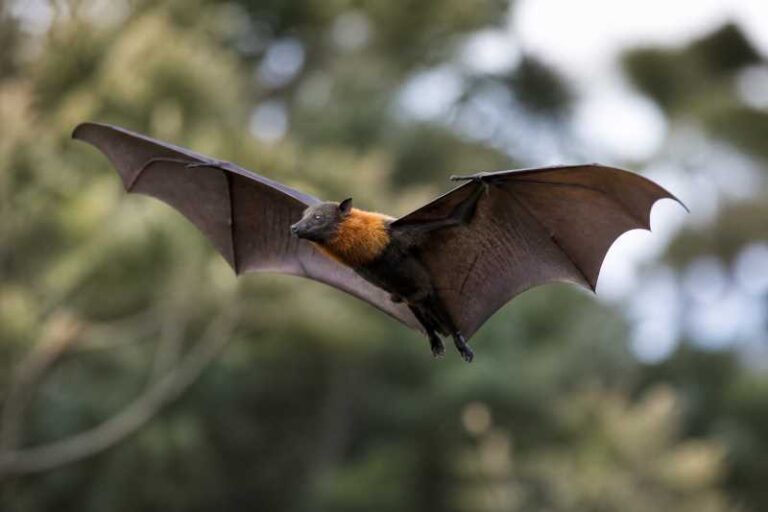
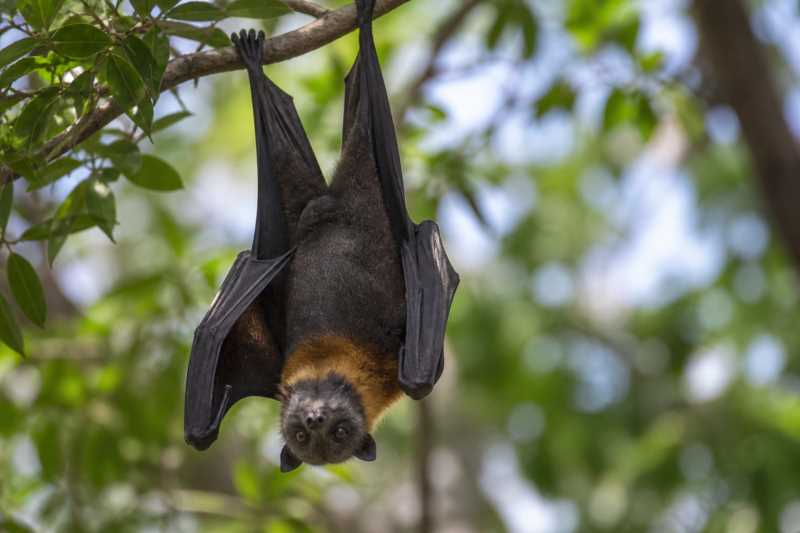
The Queensland Tube-nosed Fruit Bat is easily recognizable due to its distinctive nasal tubes, which protrude from the sides of its snout. These tubes, thought to aid in scent detection, give the bat its common name. The species exhibits a relatively small size, with a wingspan ranging from 40 to 50 cm, and a body length typically between 9 and 11 cm.
Their fur is generally a mottled gray or brown, providing excellent camouflage within the forest canopy. The underbelly is lighter, often displaying a whitish or pale yellow hue. The wings are long and slender, adapted for agile flight through dense foliage. The eyes are large and adapted for low-light conditions, allowing these bats to navigate and forage efficiently during the night.
One of the most striking features of the Queensland Tube-nosed Fruit Bat is its vibrant, often orange-yellow patches on the wings, which are more pronounced in males. These patches are believed to play a role in mating displays and territorial behaviors.
Range and Habitat
The range of the Queensland Tube-nosed Fruit Bat is primarily confined to the coastal and sub-coastal regions of Queensland, Australia. They are predominantly found in rainforest habitats, where dense canopy cover provides essential roosting and foraging grounds. These bats are also known to inhabit tropical woodlands and mangrove forests, adapting to various environments that offer sufficient food resources and shelter.
Queensland’s rainforests provide an ideal habitat for these bats, offering a diverse array of fruiting trees and plants. The region’s climatic conditions, characterized by high humidity and warm temperatures, further support the bats’ survival and reproductive success.
Behavior and Diet
The Queensland Tube-nosed Fruit Bat is primarily nocturnal, spending daylight hours roosting in the dense foliage of tree canopies. These bats are social creatures, often found in small groups or colonies that provide safety in numbers from predators.
Their diet consists predominantly of fruit, with figs and native berries being particular favorites. The bats play a pivotal role in seed dispersal, as they consume fruit and excrete seeds away from the parent tree, facilitating forest regeneration. Additionally, they are known to consume nectar from flowering plants, contributing to pollination.
Foraging typically occurs during the early hours of the night, when the bats venture out from their roosts in search of food. Their flight is characterized by swift and agile movements, allowing them to navigate through the forest with ease.
Identification Tips (Field Recognition Cues)
To identify the Queensland Tube-nosed Fruit Bat in the field, look for the following key features:
- Nasal Tubes: The most distinctive feature, visible even from a distance.
- Coloration: Mottled gray or brown fur with lighter underparts and vibrant wing spots in males.
- Size: Relatively small body size with a wingspan of 40-50 cm.
- Habitat: Typically found in rainforests or areas with dense canopy cover.
- Flight Pattern: Agile and swift, often observed foraging at night.
Conservation Status (with Threats and Protections)
The conservation status of the Queensland Tube-nosed Fruit Bat is currently listed as "Least Concern" by the International Union for Conservation of Nature (IUCN). However, this does not imply that the species is free from threats.
Threats
- Habitat Loss: The primary threat to this species is habitat destruction due to logging, agriculture, and urban development.
- Climate Change: Altered weather patterns and increased frequency of extreme events pose significant risks.
- Human Disturbance: Increased human activity in forest areas can disrupt roosting and foraging behaviors.
Protections
Efforts to protect the Queensland Tube-nosed Fruit Bat include:
- Protected Areas: Establishment of national parks and reserves in key habitats.
- Community Engagement: Raising awareness about the ecological role of bats and promoting conservation actions.
- Research Initiatives: Ongoing studies to monitor population trends and ecological requirements.
Frequently Asked Questions
What is the diet of the Queensland Tube-nosed Fruit Bat?
The Queensland Tube-nosed Fruit Bat primarily feeds on fruit, with a preference for figs and native berries. They also consume nectar from flowering plants, aiding in pollination.
How does the Queensland Tube-nosed Fruit Bat contribute to the ecosystem?
These bats play a crucial role in seed dispersal and pollination. By consuming fruit and excreting seeds away from parent trees, they facilitate forest regeneration. Their nectar-feeding behavior also helps pollinate various plant species.
Are Queensland Tube-nosed Fruit Bats endangered?
Currently, the Queensland Tube-nosed Fruit Bat is listed as "Least Concern" by the IUCN. However, they face threats from habitat loss, climate change, and human disturbances, necessitating ongoing conservation efforts.
Where can Queensland Tube-nosed Fruit Bats be found?
These bats are primarily found in the coastal and sub-coastal regions of Queensland, Australia. They inhabit rainforests, tropical woodlands, and mangrove forests.
What are the distinctive features of the Queensland Tube-nosed Fruit Bat?
Key features include nasal tubes, mottled gray or brown fur, orange-yellow wing spots in males, and a wingspan of 40-50 cm. They are typically found in rainforest habitats.
Related posts